What happened
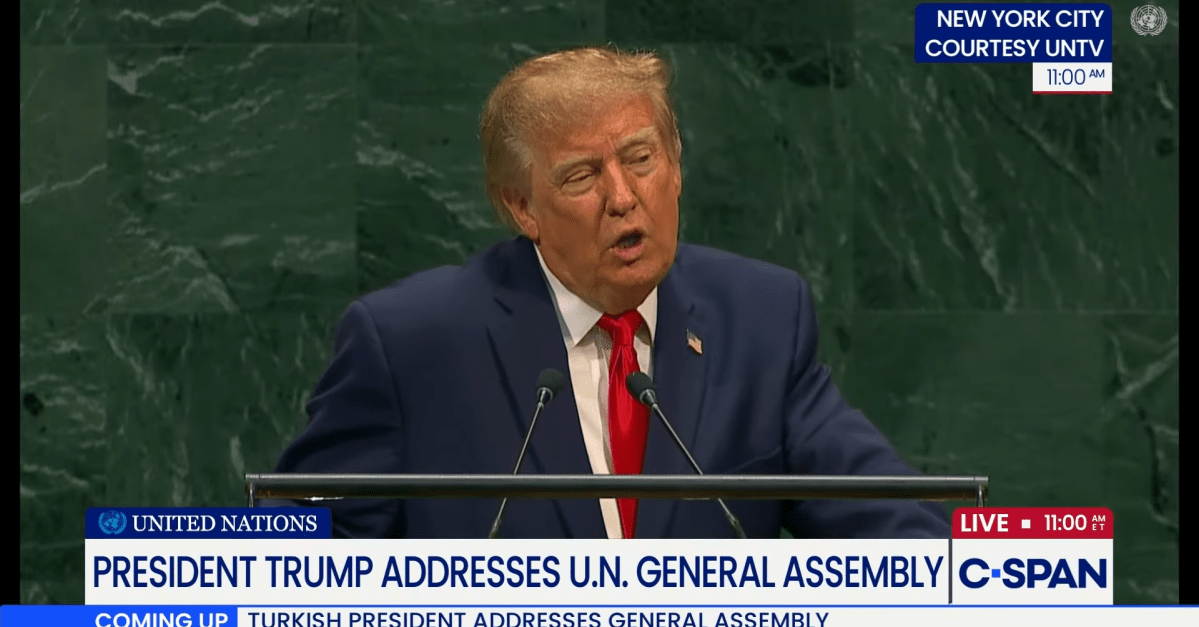
In a Tuesday morning UN General Assembly speech, Donald Trump said the US is "officially" renaming artificial intelligence to "super intelligence," claiming the word "artificial" makes intelligence sound fake.
Why it matters
Trump says all US documents, and "hopefully the world's," will switch to the term, framing it as a rebrand tied to his claim that the US leads China "by a lot" on the technology.
What to watch
Whether the change carries any force is unclear — Trump himself said, "Let's see if I have any power. Maybe I do, and maybe I don't." Watch whether digital maps and documents actually change, as they did after his earlier renamings.
WHO IT HITSThe remark lands on US government agencies and contractors that write technology policy and procurement documents, plus the map and platform providers that previously updated labels after Trump's earlier renamings. Any practical effect on official terminology is unclear, since Trump himself questioned his authority to impose it.
Summaries like this, in your inbox every morning.
Trump's remarks came during a Tuesday morning address at the UN General Assembly, where he covered Iran, "globalists," climate change, and transgender people before turning to AI. His claim that the US is "officially" renaming the technology is unusual even by the standards of his earlier renamings: he has previously decreed new names for the Gulf of Mexico, Lake Superior, the Kennedy Center, and Denali, and digital maps switched labels for US users — but the article notes this wasn't among the options in the poll he posted days earlier when he began on the tangent.
The speech itself was a mix of assertion and uncertainty. Trump said the term "artificial" makes intelligence sound fake, that the US leads China "by a lot," and that he won't "stifle growth of something that will be bigger than the Industrial Revolution." He also said the Department of Justice would "watch it closely" and "rein things in if we have to," while at the same time saying he would "encourage it, not rein it in." Then he conceded, "Let's see if I have any power. Maybe I do, and maybe I don't, we're gonna find out pretty soon."
The practical effect looks uncertain. Whether federal agencies, contractors, or map and platform providers adopt "super intelligence" — or whether the change remains a rhetorical flourish — appears to hinge on whether Trump's administration translates the claim into formal directives. For now, the clearest takeaway is that the US president used a global stage to rebrand a technology his own government is still regulating, and acknowledged he isn't certain he can make it stick.
For example, today's edition would include:
AI-summarized, only the topics you pick — one digest a day via Email, LINE, or Slack.
Free · 30 seconds with Google · unsubscribe anytimeWhat is AIToday? →
Ask AI anything about this article. Q&As are published on this page for other readers too.
Three sources told Semafor that Treasury Secretary Scott Bessent is a frontrunner for Trump's 'AI czar' role…
Treasury Secretary Scott Bessent told CNBC the government will not absolve AI labs of responsibility, saying t…
The authors argue both camps in the pacing debate have fallen for the "Compute-to-GDP Fallacy"—the belief that…
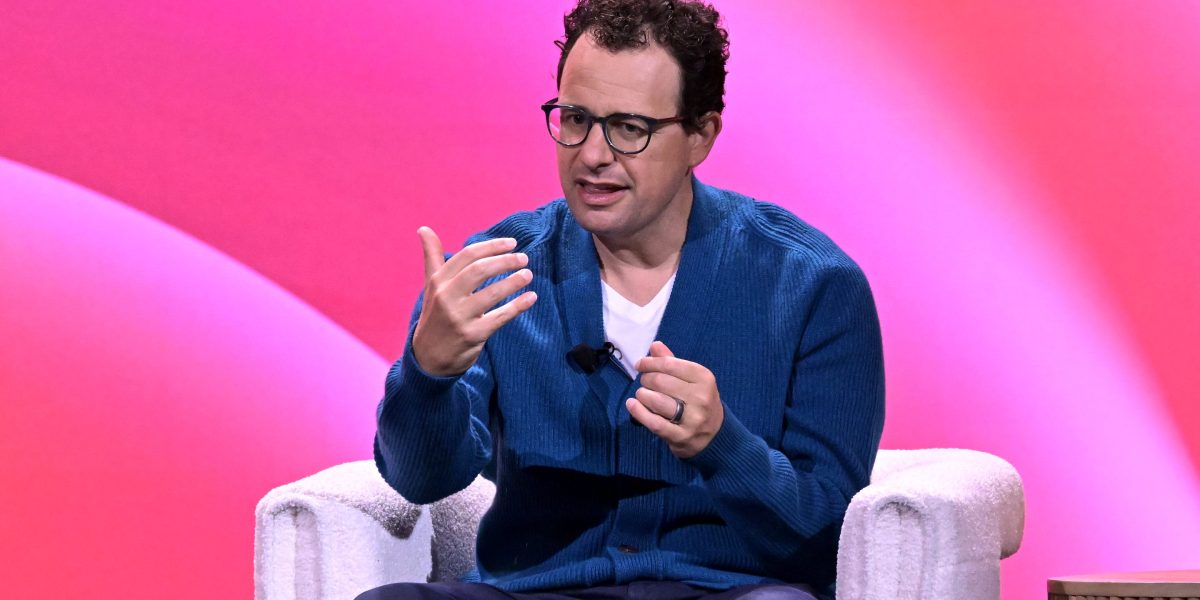
Former Indeed CEO Chris Hyams blasts accelerationism as the real AI threat ahead of a White House Trump-Xi sum…
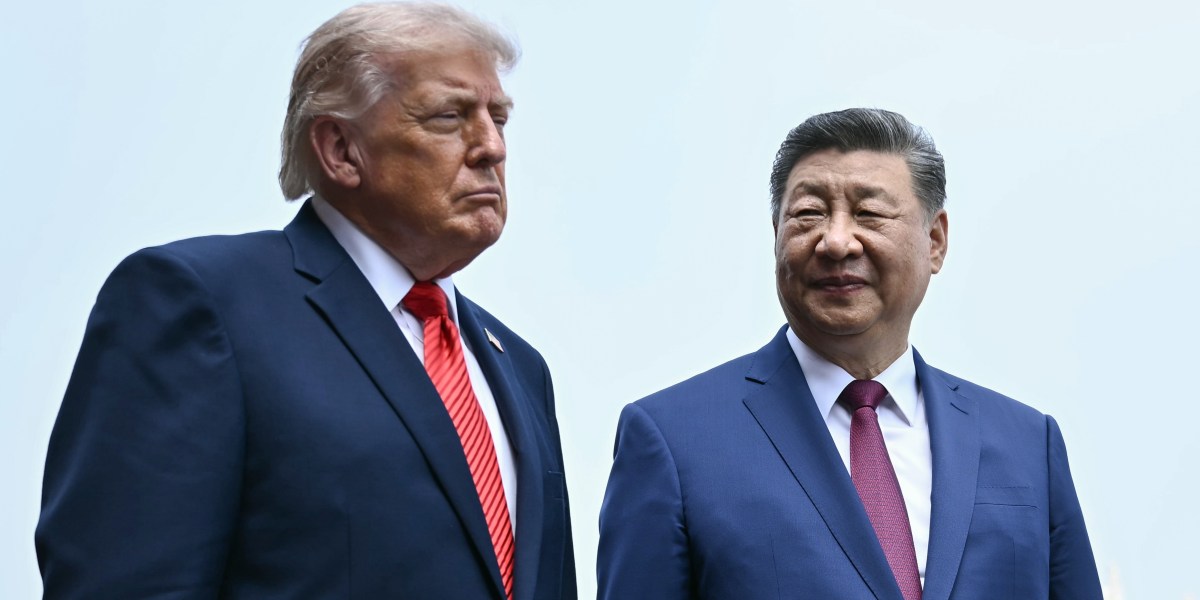
OpenAI proposed four priority areas for independent third-party assessment of frontier AI: safety cases, criti…

OpenAI is pushing for international standards on recursive self-improvement, with the US leading global techni…