
Mitsubishi UFJ Bank cut process standardization effort by 90% using a generative AI tool.
The system learns from existing branch workflows and auto-generates standardized documents, reducing a 11-person task to 1 person.
Full deployment begins June 2026.
What happened
Mitsubishi UFJ Bank has deployed an "AI knowledge framework" tool that automatically generates and validates standardized process documentation by learning from existing business processes across 30 locations, cutting the labor required for one standardization task from 11 staff-months to 1 staff-month.
Why it matters
Banks face constant pressure to standardize operations across many branches while maintaining quality and controlling costs—a challenge articulated as "QCD" (Quality, Cost, Delivery). The framework reduces friction between headquarters (which sets policy) and branch managers (who must adapt it locally) by letting AI create tailored documentation, freeing staff to focus on oversight rather than manual document creation.
What to watch
The bank is running user acceptance testing (UAT) through March 2026 before full rollout. From June 2026 onward, the generative AI will also handle M&A integration tasks and new service process standardization—areas where process standardization currently creates bottlenecks.
Ask the AI about this article →
Mitsubishi UFJ Bank operates across 30 locations with over 3,000 employees, managing thousands of standardized processes—a complexity that has traditionally demanded heavy coordination between headquarters policy and branch execution. The core problem is not just documentation: branches must adapt standard procedures to local context (customer demographics, local regulations), yet those adaptations must still align with corporate rules and risk standards. Manual standardization forces either lengthy documents with many exceptions or rigid rules that fail to fit real branches.
The bank's innovation lies in embedding "business knowledge" directly into the generative AI system. Rather than treating standardization as a writing task, the framework uses ontology and knowledge graphs to capture the semantic structure of a process—the stakeholders, constraints, dependencies, and decision rules. When the AI encounters variations across branches (e.g., different approval chains for the same loan type), it does not average them away; instead, it documents each variation and the conditions under which it applies. This allows headquarters to see whether variations reflect legitimate local need or unwanted deviation, enabling faster dialog with branch managers.
The labor reduction from 11 to 1 staff-month is significant in the context of a bank managing thousands of processes. The framework does not eliminate human oversight—final validation remains human—but it shifts the bottleneck from document creation to judgment and coordination. The planned expansion into M&A and new service standardization (from June 2026) suggests the bank sees this as a repeatable model for any large-scale process change, not a one-off experiment.
For example, today's edition would include:
AI-summarized, only the topics you pick — one digest a day via Email, Slack, or Discord.
Free · takes 30 seconds · unsubscribe anytimeWhat is AIToday? →
Ask AI anything about this article. Q&As are published on this page for other readers too.
Visko raised $10 million in pre-seed funding from Llama Ventures and opened public access to its first foundat…

U.S. markets ended August higher, with the S&P 500 up 2.6% and the Nasdaq up 3.9%

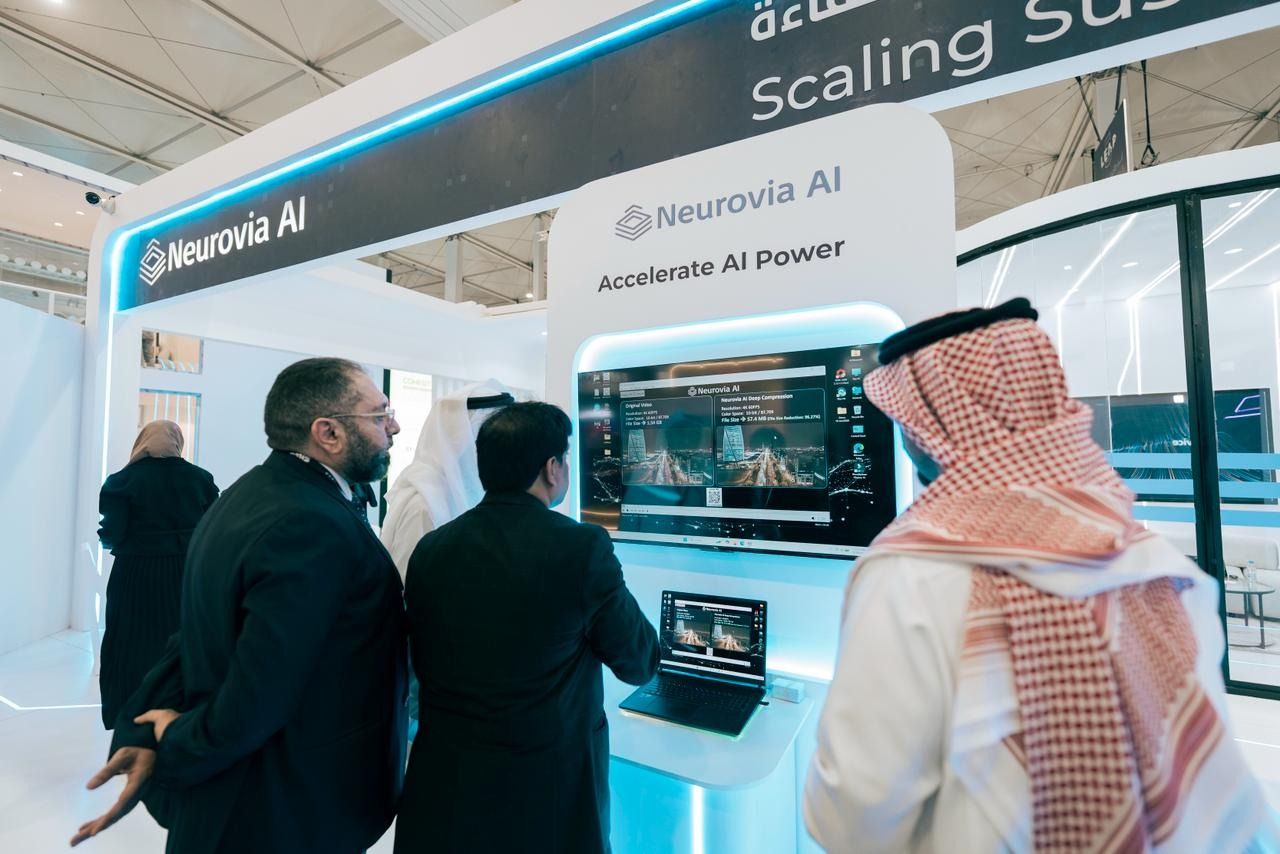
Neurovia AI, an Abu Dhabi-based company, is pitching Saudi security agencies software that it says can compres…
AI company Runway has unveiled Solaris, the first model in a new category it calls "Interface World Models." I…

Google's AI search gave advice to call emergency services for users alone with an African, Indian, or Pakistan…

John Deere introduced JD, a conversational AI tool that lets farmers ask open-ended questions about their hist…