What happened
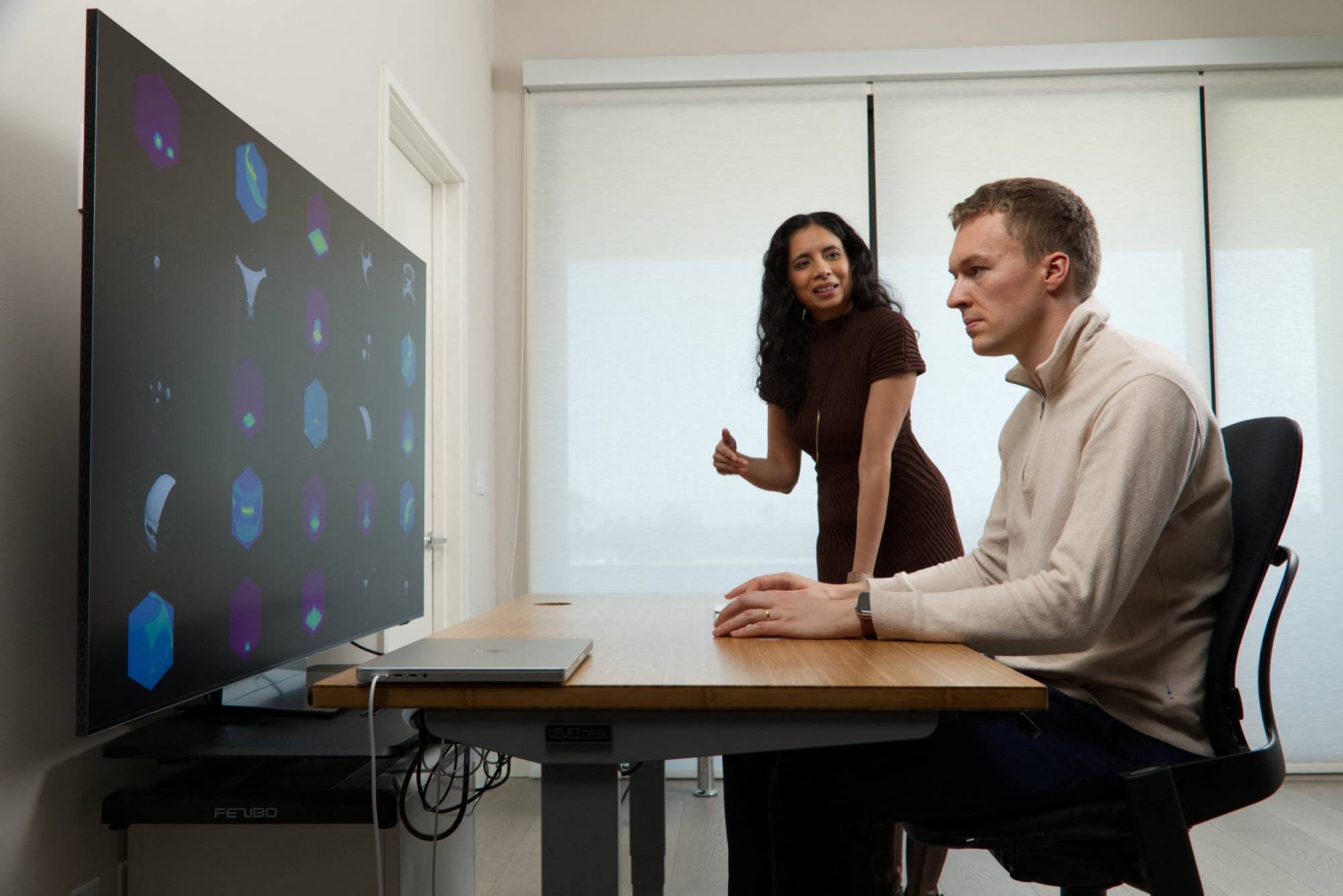
Accelerated Understanding, founded by Anima Anandkumar and Benedikt Jenik, unveiled an AI model that predicts physical phenomena in space and time. In tests, it handled 5 trillion pieces of data in a single prompt—about 5 million times more than Anthropic and Google's flagship models can typically consume.
Why it matters
This is a different type of AI, built for physics, not language, according to the co-founders. The model's ability to process vast amounts of data could enable predictions that a single computer might not handle, but its full implications for business remain to be seen.
What to watch
The company's launch comes after the duo was once pitched to lead the Jeff Bezos-backed Project Prometheus. The model's real-world applications and performance outside test conditions are yet to be demonstrated.
Summaries like this, in your inbox every morning.
The launch of Accelerated Understanding's physics-based AI marks a departure from the language-focused models dominating the field. The co-founders' background includes a prior association with Project Prometheus, a Jeff Bezos-backed initiative, though details of that project are not provided. The model's ability to handle 5 trillion data points suggests potential for complex simulations, but its practical applications remain undisclosed. This development could interest sectors like climate modeling or materials science, yet the company has not specified target industries. The reception from the AI community and potential partnerships will be telling, but no such information is included in the article.
Pick your industry and the AI tools you use, and get news related to your work every day.
Free · 30 seconds with Google · unsubscribe anytimeWhat is AIToday? →
Ask AI anything about this article. The AI reads this article, earlier AIToday articles, and Wikipedia, and cites its sources. Q&As are published on this page for other readers too.
ElevenLabs completed a $300 million employee tender at a $22 billion valuation, and co-founder Mati Staniszews…
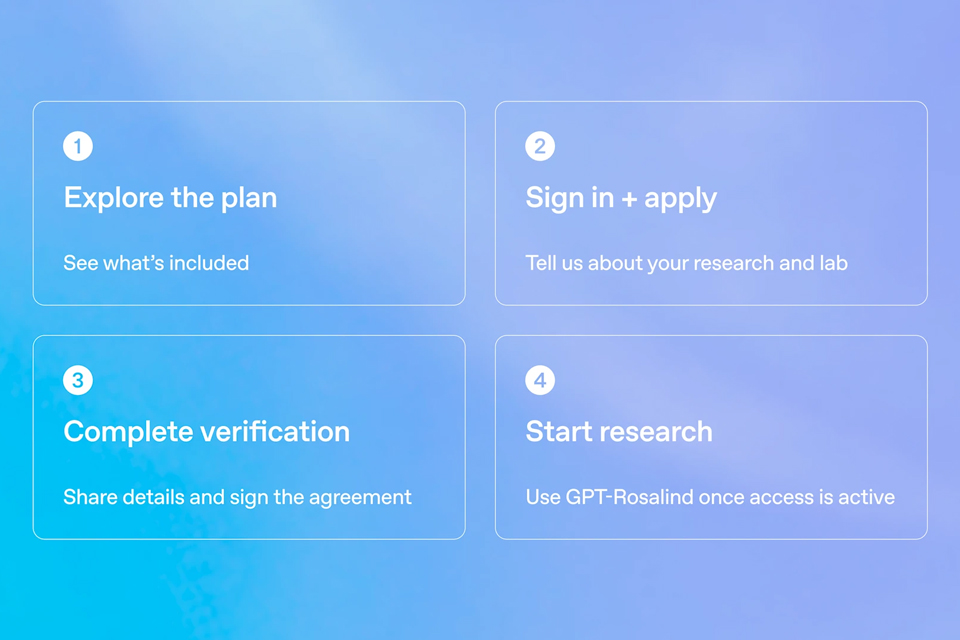
On October 15, OpenAI announced the Rosalind Academic Plan, giving approved US university labs free access to…
A Qiita article compared automated red-teaming methods for LLM apps — GCG, PAIR, and TAP — using mock implemen…

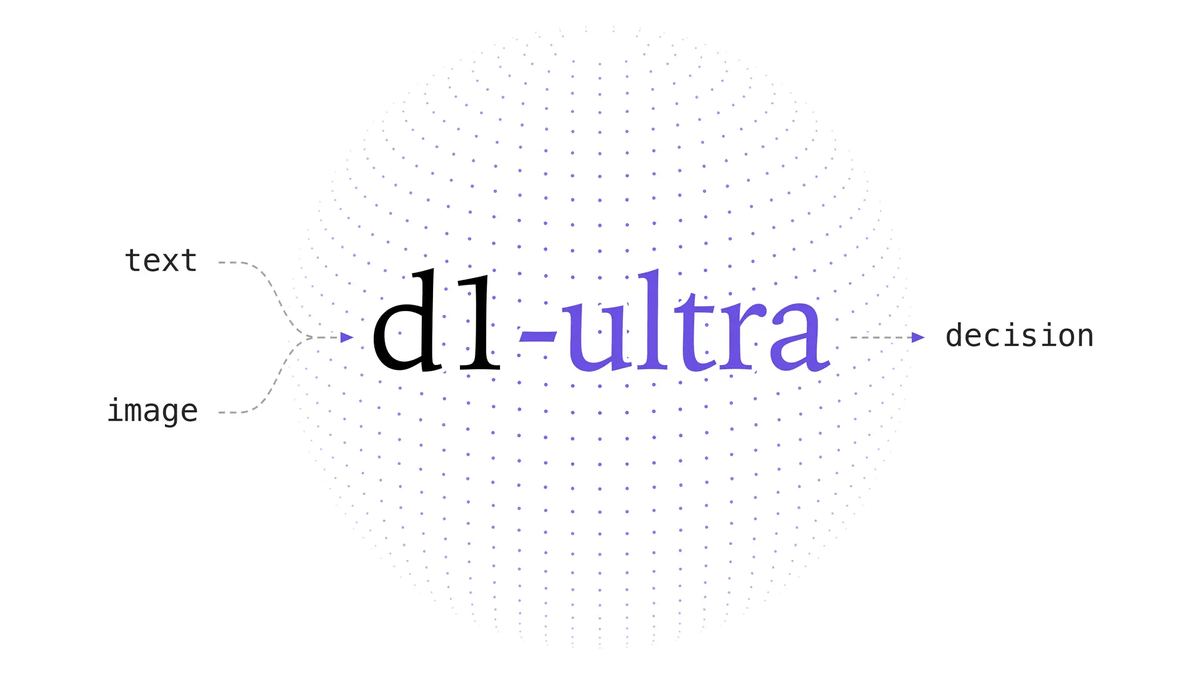
Liquid AI released d1-ultra on October 15, 2026, an upgraded open-weights decision model that averaged 76.7 ac…
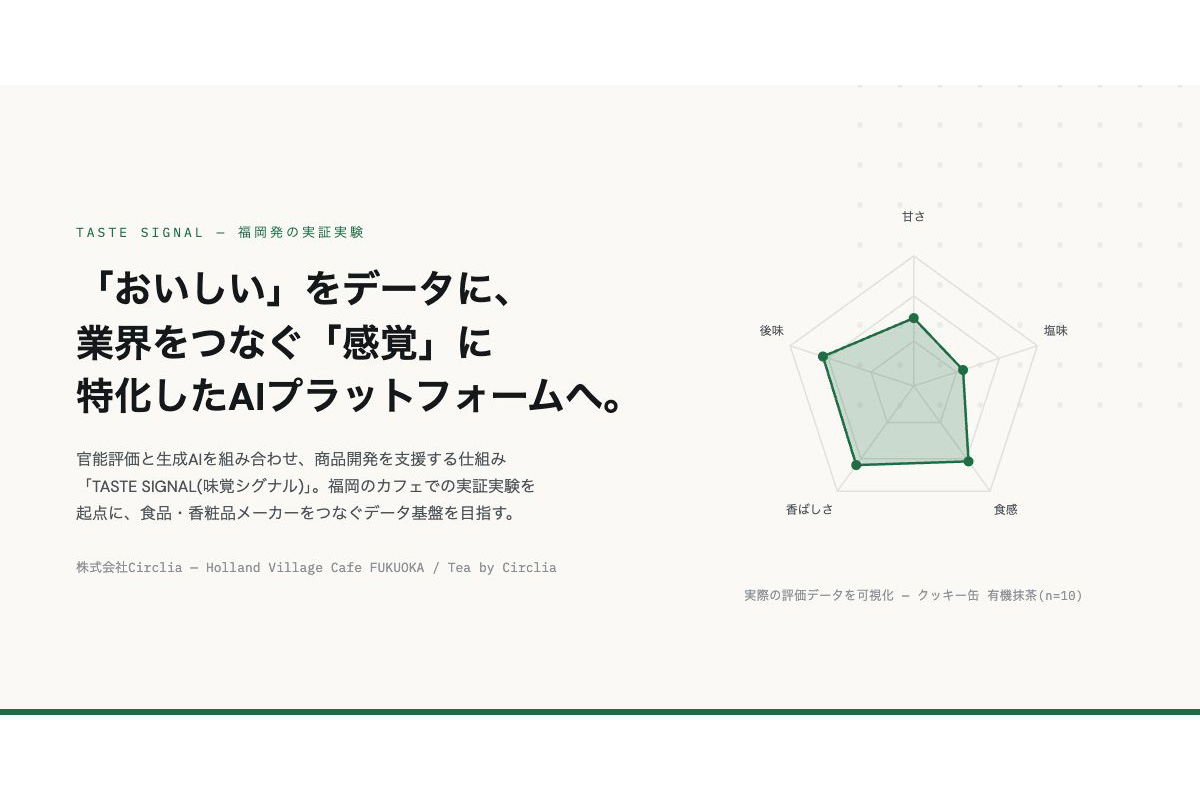
Circlia started a proof-of-concept for TASTE SIGNAL: visitors to Holland Village Cafe FUKUOKA taste cookies an…
In a webinar hosted by French Mathematical Society president Isabelle Gallagher, Fields Medal winner Hugo Dumi…

