What happened
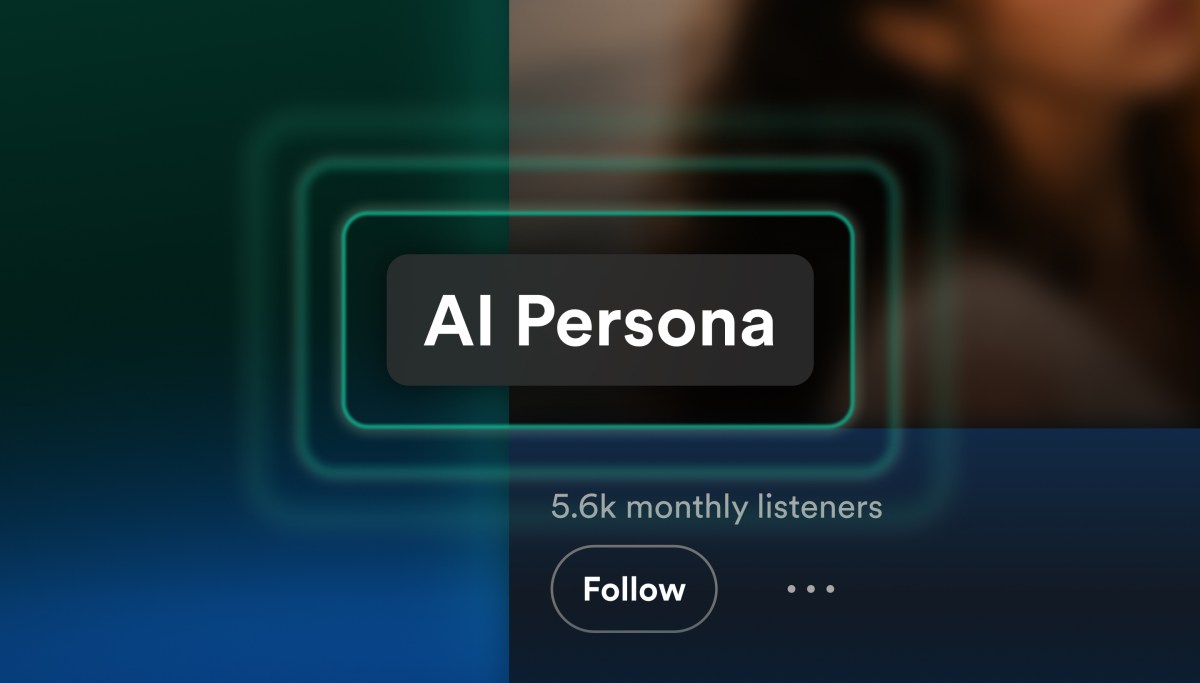
Spotify will display "AI Persona" badges on artist profiles that represent AI-generated identities rather than real people, starting in mid-September. The company will identify these profiles both through self-disclosure (beginning August 11, 2026, via Spotify for Artists) and by reviewing profiles where the artist name and imagery appear to be photorealistic AI-generated identities, prioritizing higher-audience artists first.
Why it matters
Once labeled, AI Persona music will be excluded by default from Spotify's editorial recommendations, algorithmic recommendations, and users' personalized recommendations—unless a user explicitly follows that artist. This signals Spotify's effort to balance its own AI-powered features (AI DJ, Prompted Playlists, and forthcoming AI remixes) against what the company calls "AI-generated slop" (low-quality mass-produced content), which it says could degrade user experience and trigger subscription cancellations.
What to watch
Users will soon gain the ability to report artist profiles they believe are unlabeled AI Personas. The labels distinguish an artist's public identity from how the music itself was made—information about production methods will remain available through Spotify's AI Credits and SongDNA features. Artists can appeal if they believe their AI Persona label was applied incorrectly.
Summaries like this, in your inbox every morning.
Spotify's move reflects a broader tension in the music industry: AI-generated content has become easier to produce at scale, but platforms and listeners increasingly distinguish between authentic human artists and synthetic ones. The company has been building its own AI capabilities—from AI DJ to forthcoming AI remixes enabled by licensing deals with UMG and Merlin—while simultaneously recognizing that unfiltered AI-generated content (what it calls "slop") degrades the listening experience and risks driving away paying subscribers.
The distinction Spotify is making is deliberate: the "AI Persona" badge targets the artist's claimed identity (whether the profile represents a real person), not the production methods used to create the music. This separation allows Spotify to keep information about how music was made available through existing features like AI Credits and SongDNA, while using the badge to surface which artists are AI-generated identities rather than humans building careers. By excluding AI Personas from recommendations by default but allowing users to opt in by following them explicitly, Spotify is ceding discovery authority to listener choice rather than algorithmic default—a signal that the platform wants to protect its human-artist-first editorial positioning while not outright banning AI artists.
Pick your industry and the AI tools you use, and get news related to your work every day.
Free · 30 seconds with Google · unsubscribe anytimeWhat is AIToday? →
Ask AI anything about this article. The AI reads this article, earlier AIToday articles, and Wikipedia, and cites its sources. Q&As are published on this page for other readers too.

