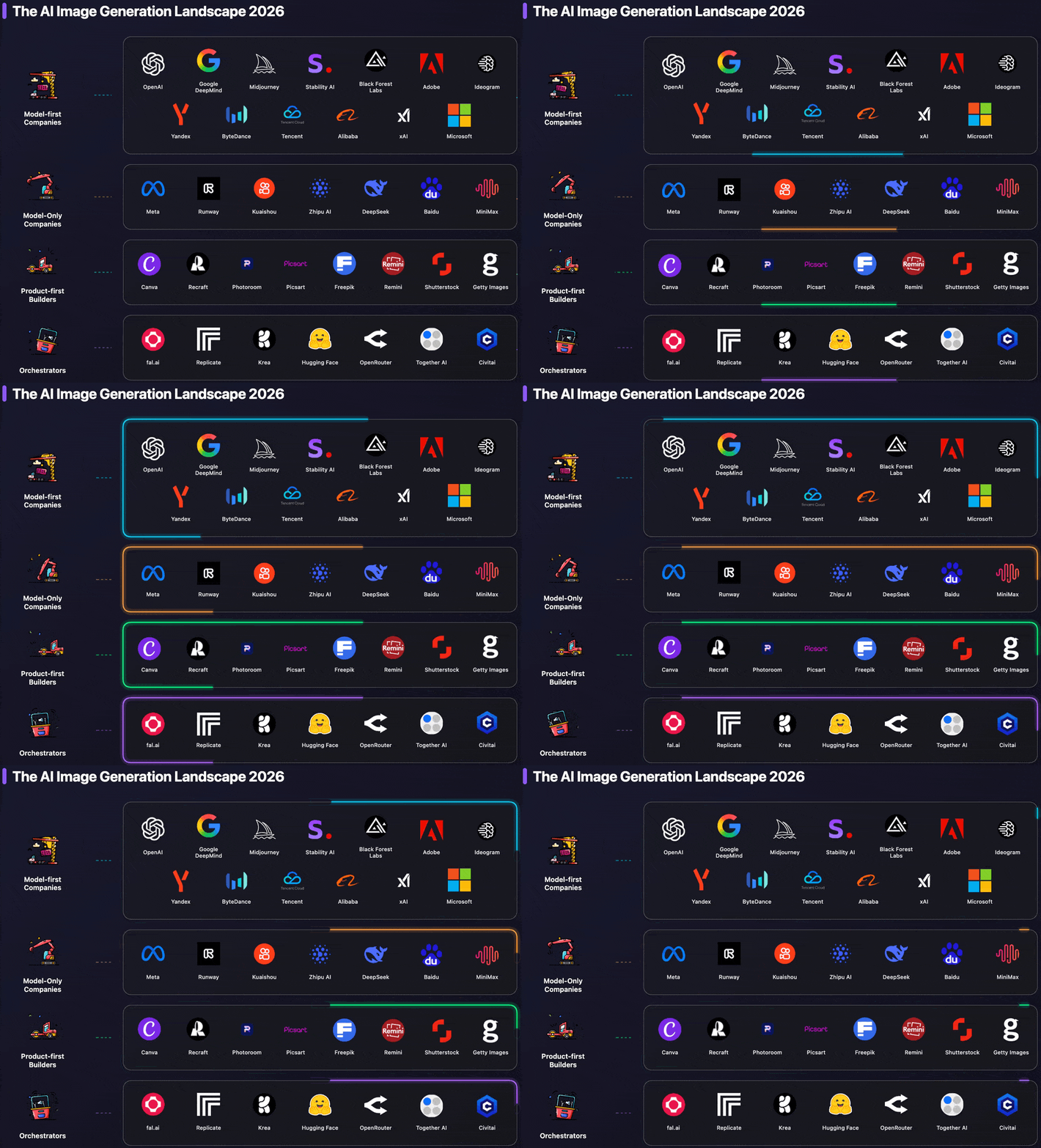
The AI image generation ecosystem is built on a four-layer stack: model-first companies (frontier builders with mass-market products), model-only companies (building and distributing foundational models via open source or APIs), product-first builders (companies that evolved from using third-party models to building their own), and orchestrators (platforms routing access to others' models).
Only about a dozen companies worldwide train their own models from scratch and produce mass-market products; the rest, hundreds of apps and platforms, are built on top of those. Owning a foundational model controls cost structure, latency, deployment, differentiation, and independence—without it, companies compete on UX, curation, or price but remain tenants on someone else's infrastructure.
Adobe operates as a hybrid: both a model builder (Firefly Image Model 4 and Ultra with 18B+ assets) and a major orchestrator, allowing users to pick Google Imagen 3, OpenAI GPT Image, and others alongside its own models.
Summaries like this, in your inbox every morning.
Pick your industry and the AI tools you use, and get news related to your work every day.
Free · 30 seconds with Google · unsubscribe anytimeWhat is AIToday? →
Ask AI anything about this article. The AI reads this article, earlier AIToday articles, and Wikipedia, and cites its sources. Q&As are published on this page for other readers too.
TOPPAN Holdings and Keio University ran a quantum-computer and generative-AI proof-of-concept from February 1…
Black Forest Labs released FLUX 3 Image Klein as open weights on October 15, 2026 — a 5.6B-parameter model for…
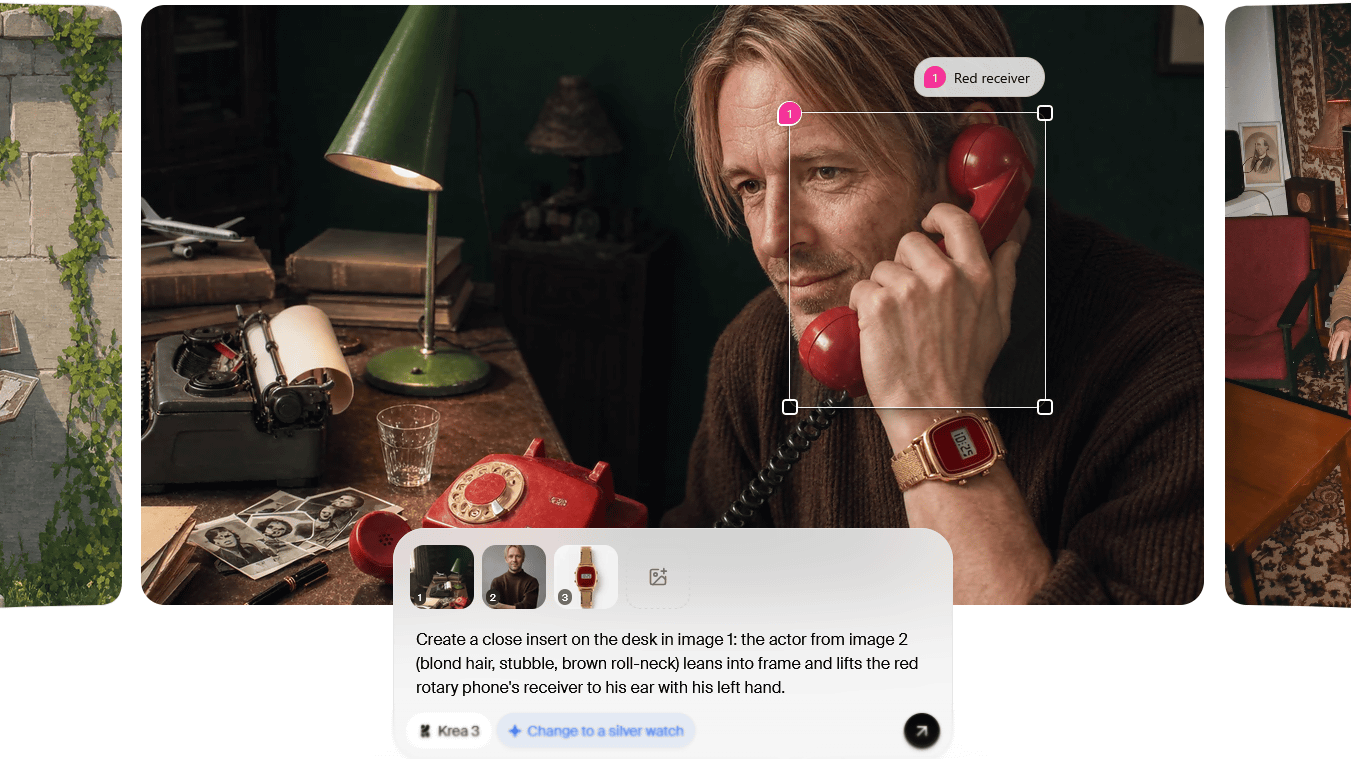
Krea opened the beta for Krea 3, which does end-to-end 2K edits in under 8 seconds, accepts up to 8 reference…
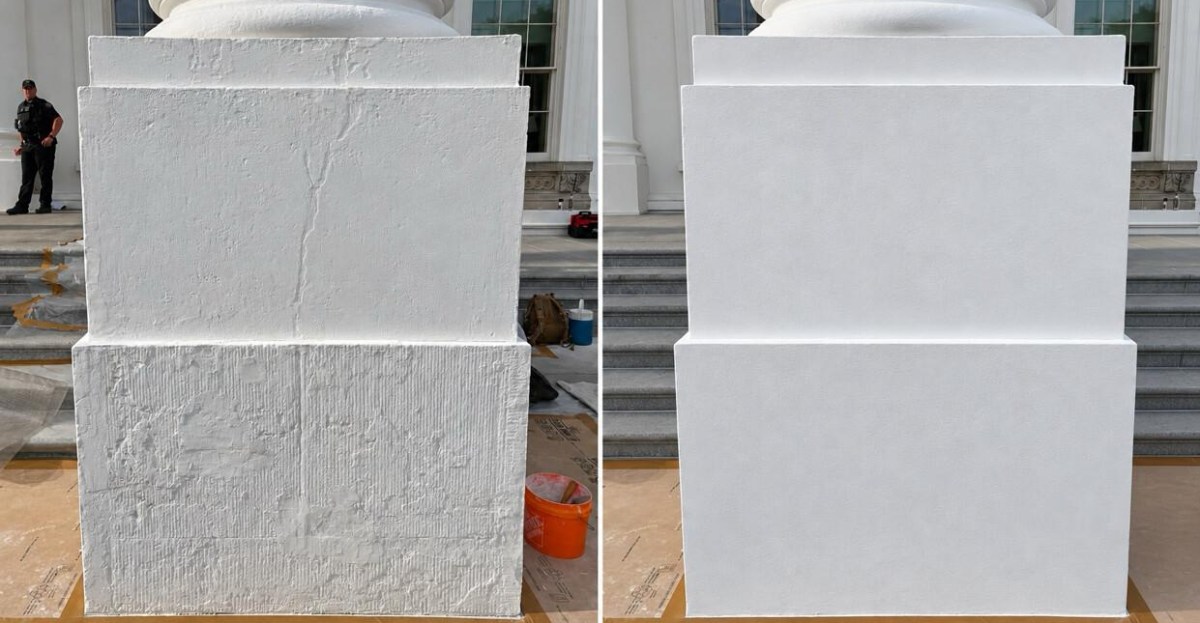
President Donald Trump posted photos on Truth Social showing White House renovations, but one comparing an old…
Universidad de Córdoba (UCO) has published a guide titled "AI NSFW 2026: reference tools, reusable workflows a…
Black Forest Labs released FLUX 3 Image Klein, a 5.6-billion-parameter open-weights model for text-to-image ge…