What happened
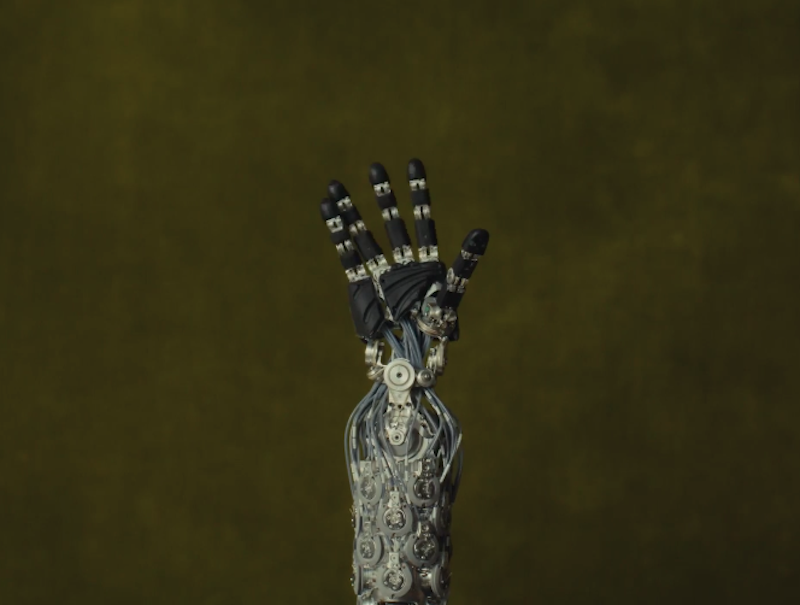
Humanoid robotics company 1X has unveiled a new tendon-driven robotic hand for its NEO platform featuring 25 degrees of freedom—22 fully actuated joints in the fingers and palm and three at the wrist—with force-controlled, backdrivable joints designed for improved manipulation and tactile perception.
Why it matters
The company says the new hardware removes the "hardware ceiling" that has limited humanoid robot capabilities, allowing AI models to leverage more human-like manipulation. The hands are capable of tasks including assembling LEGO models, picking up coins and screws, installing light bulbs, using screwdrivers, zipping jackets, sorting grapes, pouring tea, plugging in USB-C connectors, and communicating using sign language—demonstrations that the robot can handle everyday human tasks.
What to watch
1X has established a dedicated production line and expects to manufacture up to 10,000 units during the year. The hands use tendon-driven actuation with gear ratios of approximately 5:1 to 15:1, are rated IP68 for water resistance, and incorporate high-resolution tactile sensing capable of measuring pressure, contact location, and shear forces.
Summaries like this, in your inbox every morning.
1X's new hand represents a significant shift in addressing what the company frames as a fundamental constraint in humanoid robotics: the gap between available hardware and the demands of real-world manipulation tasks. The design combines 25 degrees of freedom with force-controlled, backdrivable joints—a combination intended to enable both the precision and the tactile feedback that humans take for granted. By housing motors in the forearm and routing proprietary tendons through the wrist, 1X achieves high grip forces while keeping the hand itself lightweight and suitable for continuous use.
The company's emphasis on practical capability is reflected in the range of demonstrated tasks, from LEGO assembly and tool use to delicate work like sorting grapes. The addition of high-resolution tactile sensing—measuring pressure, contact location, and shear forces—suggests that the hand is designed not only to grasp and move objects but to sense and respond to them in ways that the company believes will unlock more sophisticated AI-driven manipulation. The vertically integrated approach, with motors, electronics, sensing, and software all developed in-house, may allow 1X to iterate and refine the system more rapidly than a design reliant on external components.
Pick your industry and the AI tools you use, and get news related to your work every day.
Free · 30 seconds with Google · unsubscribe anytimeWhat is AIToday? →
Ask AI anything about this article. The AI reads this article, earlier AIToday articles, and Wikipedia, and cites its sources. Q&As are published on this page for other readers too.
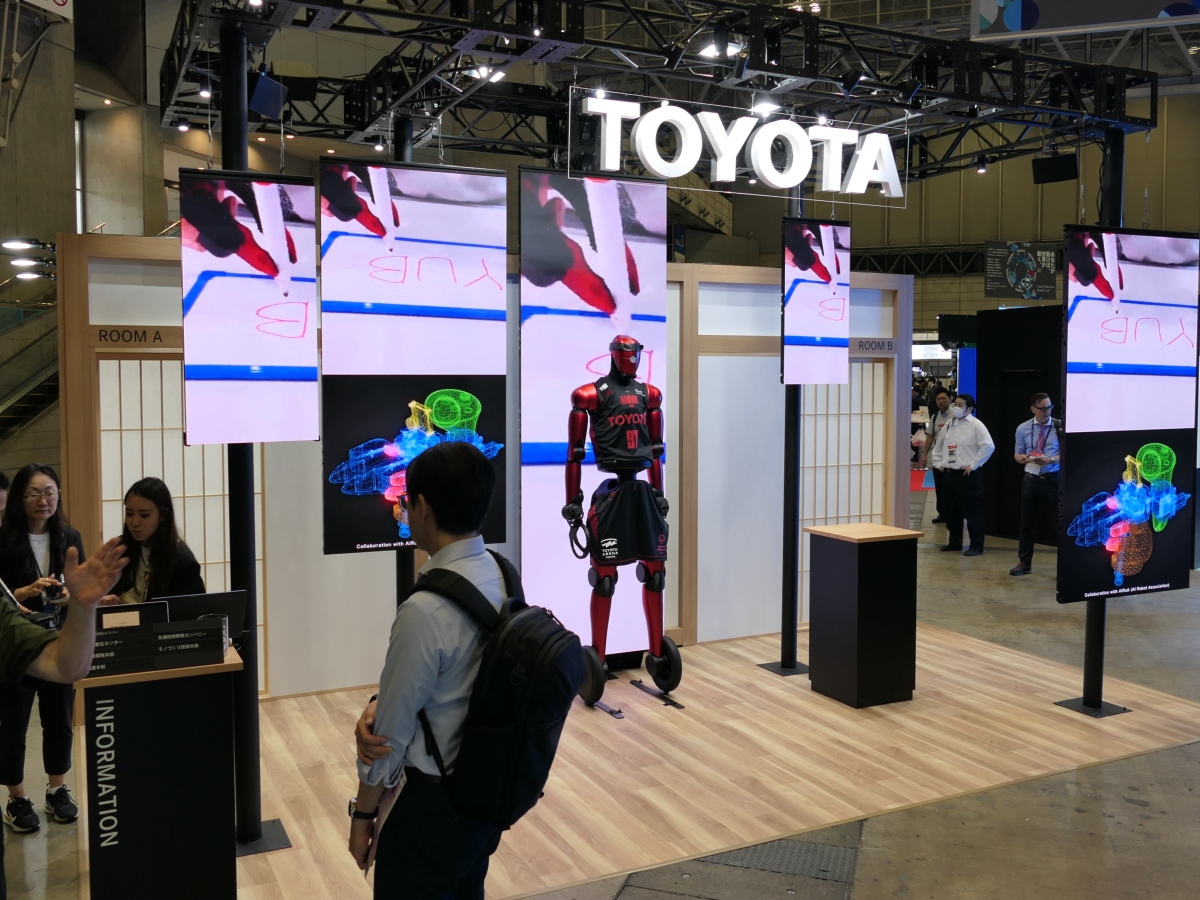
Toyota Motor's Japan Mobility Show Bizweek 2026 booth centers on its AI basketball robot CUE7, has no other ex…
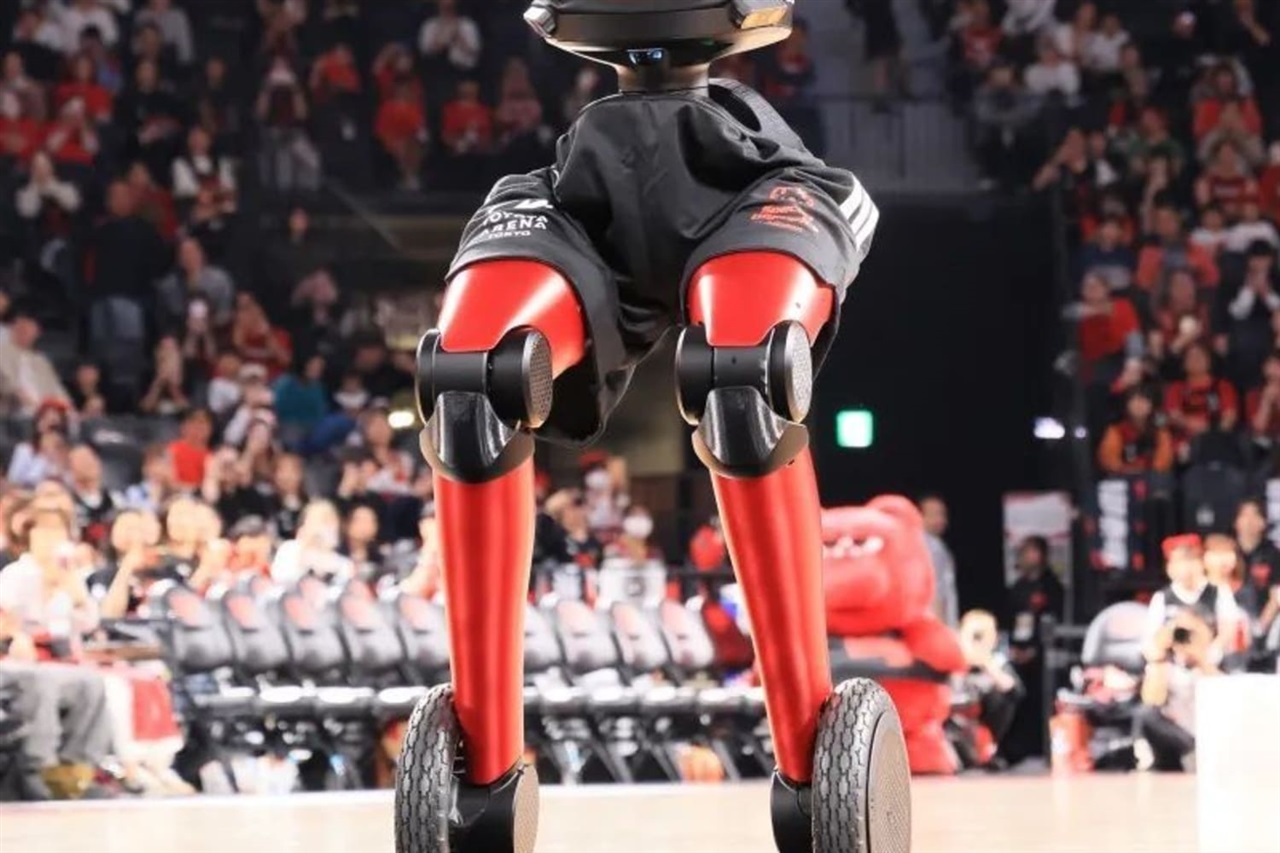
Japan Mobility Show Bizweek 2026 showcased Physical AI applications, including Toyota's basketball-playing rob…
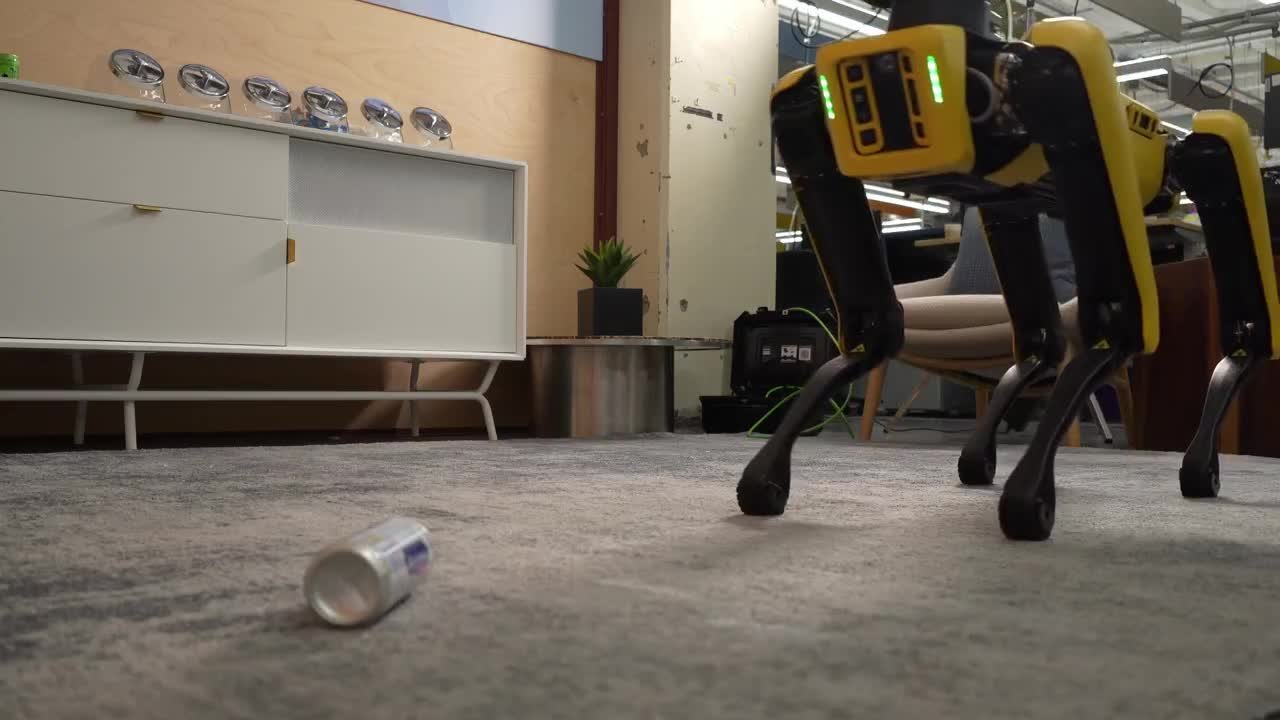
Google pitched Gemini 4 Argon as one model for robot control, simulation and training-data review, saying it s…
Researcher Sammy Azdoufal discovered Energize Lab's Eiliko robot stores 13 million conversations from 68,000 t…
ZOZO NEXT and AVITA signed an MOU on joint research into textiles and clothing specialized for humanoid robots…

Day 2 at TechCrunch Disrupt 2026 in San Francisco's Moscone West features speakers from Nvidia, Waabi, Flock S…