
AI agents are now automating the coordination and intake work in operations—handling service requests that arrive as unstructured text across email, phone, and messaging, reading and classifying them, acting across multiple systems, and closing tickets end-to-end.
Unlike earlier chatbots or robotic process automation, these agents combine language understanding with cross-system action and are measured on whether they actually resolve the issue.
The result is that operations can handle routine cases automatically while keeping humans in control of ambiguous, safety-critical, and complex decisions, allowing organizations to run leaner without adding staff.
What happened
AI agents are now handling unstructured service requests (arriving via email, phone, forms, or messaging) end-to-end—reading, classifying, deciding, acting across multiple systems, and closing tickets—while escalating exceptions to humans for judgment.
Why it matters
The service layer (intake, triage, and coordination around field service and distributed assets) has remained manual despite factory-floor automation because requests arrive in free text with high variability. AI agents now combine language understanding with the ability to act across disconnected systems, meaning operations can automate routine paths while keeping people focused on genuinely complex decisions, safety-critical issues, and ambiguous requests.
What to watch
The key difference from earlier tools: these agents are measured on actual resolution (whether the ticket closed), not deflection. RPA broke when screens changed; chatbots understood language but could not act. Agents that handle both consistently return meaningful operational capacity without removing human judgment from the decisions that need it.
Ask the AI about this article →
Industrial automation has long followed a pattern of expansion—from individual machines, to production lines, to entire plants. Yet one layer remained stubbornly manual: the service and coordination work that surrounds those operations. A maintenance request arrives by email or phone; a coordinator reads it, classifies it, contacts the right technician, and updates multiple systems by hand. Multiply that across hundreds of requests per month across a distributed operation, and skilled operational time is consumed by information transfer rather than actual work.
The reason this service layer resisted automation is structural. Factory production is repeatable and bounded—parts arrive in known positions, tolerances are defined, processes recur. The service layer is the opposite. Requests arrive in free text across email, phone, forms, and messaging apps, and the same problem gets described ten different ways. Earlier tools—robotic process automation (RPA) and chatbots—each solved half the problem. RPA could automate clicks but broke the moment a screen changed or input arrived unexpectedly. Chatbots understood language but could not act, merely deflecting contact without resolving the underlying issue, causing tickets to return as repeats or escalations.
AI agents now close both gaps. They read unstructured requests the way chatbots handle language, act across systems with the flexibility to handle variation, and measure success on resolution—whether the ticket actually closed. The result is that operations can automate the routine majority of service requests while keeping humans in control of decisions that need judgment: safety-critical issues, ambiguous requests, and those with legal or contractual weight. This marks the same logic that transformed the factory floor now reaching the ticket queue—the automation layer is expanding outward to touch the coordination work that has remained manual for decades.
For example, today's edition would include:
AI-summarized, only the topics you pick — one digest a day via Email, Slack, or Discord.
Free · takes 30 seconds · unsubscribe anytimeWhat is AIToday? →
Ask AI anything about this article. Q&As are published on this page for other readers too.
Visko raised $10 million in pre-seed funding from Llama Ventures and opened public access to its first foundat…

U.S. markets ended August higher, with the S&P 500 up 2.6% and the Nasdaq up 3.9%

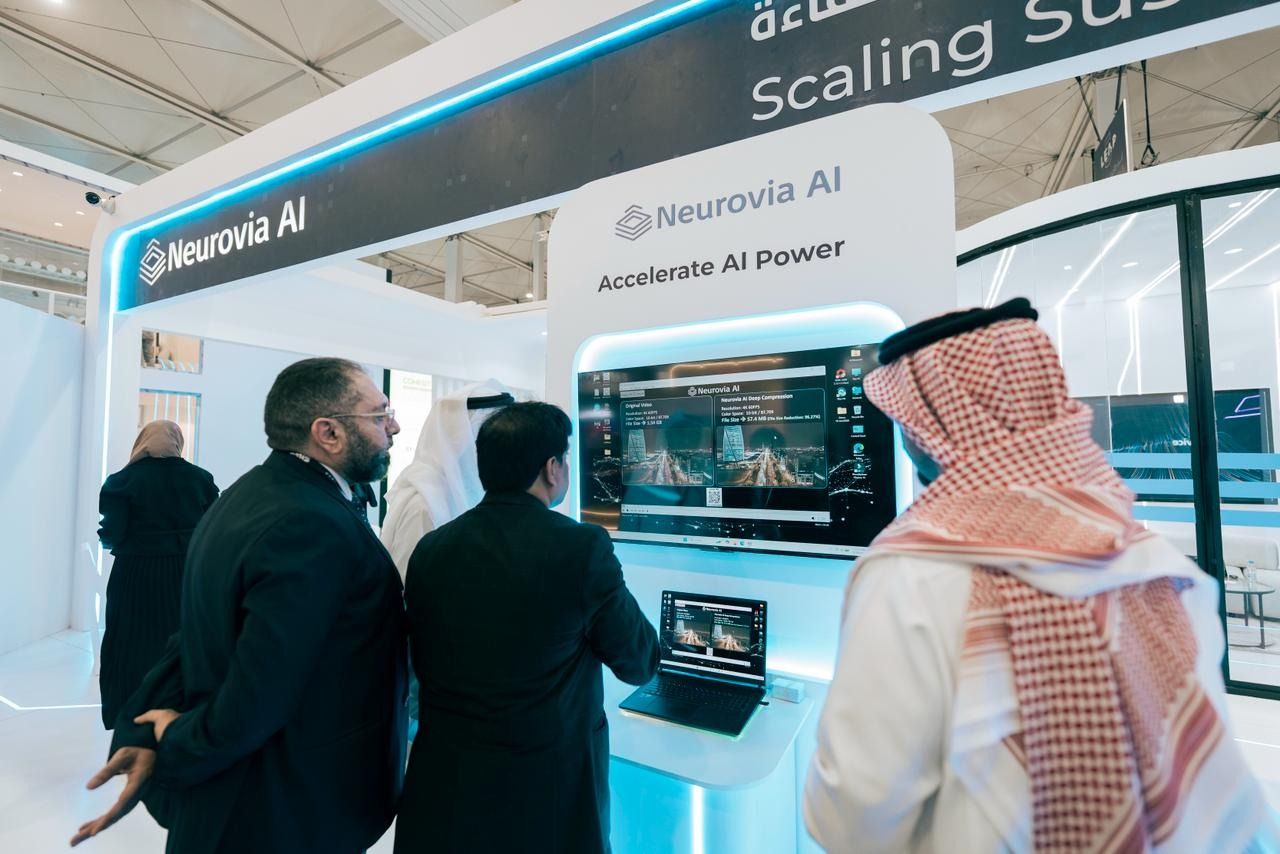
Neurovia AI, an Abu Dhabi-based company, is pitching Saudi security agencies software that it says can compres…
AI company Runway has unveiled Solaris, the first model in a new category it calls "Interface World Models." I…

Google's AI search gave advice to call emergency services for users alone with an African, Indian, or Pakistan…

John Deere introduced JD, a conversational AI tool that lets farmers ask open-ended questions about their hist…