What happened
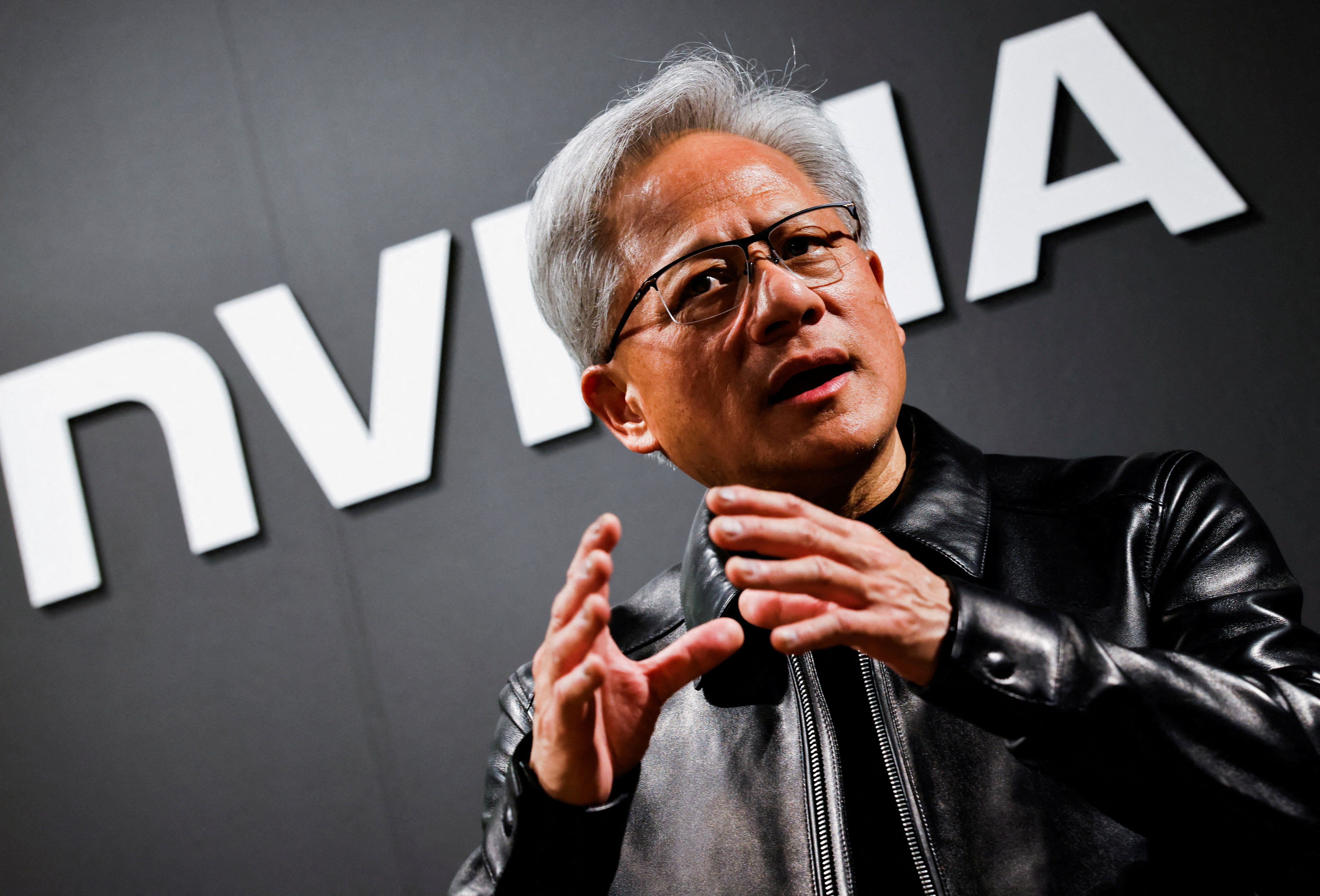
Nvidia CEO Jensen Huang sent a letter signed by Meta, Microsoft, and Palantir arguing that open-source AI models—which anyone can download and modify—drive innovation and commerce. OpenAI backed the letter later, though rival Anthropic did not sign.
Why it matters
The letter is positioned as a preemptive move against potential government restrictions on open-source AI as the White House weighs how to respond to advanced Chinese AI models accused of copying top US systems. The effort reflects deepening rifts within the industry over control of the AI economy.
What to watch
The signatories represent major players in cloud computing, social media, and enterprise software, signaling that open-source development has backing from some of the largest US tech firms—a division that may influence regulatory decisions ahead.
Summaries like this, in your inbox every morning.
The letter from Nvidia's Jensen Huang represents a coordinated defense of open-source AI development at a moment when US government scrutiny is intensifying. The timing is deliberate: as the White House debates regulatory responses to Chinese AI advancement, major technology firms are staking a claim that open models serve US innovation and commerce rather than threaten them. The signatories—Meta, Microsoft, and Palantir—span cloud infrastructure, social platforms, and enterprise intelligence, suggesting that open-source AI has substantial backing among large-scale technology operators.
Yet the letter's most revealing aspect is who did not sign. Anthropic, a leading developer of closed AI models, stayed out, while OpenAI's later endorsement suggests internal deliberation within that company. These divisions underscore deeper disagreements about who controls the AI economy and how—whether through proprietary systems that companies control tightly or through open models that distribute control more widely. The rift suggests the industry is not aligned on this question, and regulatory bodies will face competing claims from credible voices on both sides.
For example, today's edition would include:
AI-summarized, only the topics you pick — one digest a day via Email, Slack, or Discord.
Free · 30 seconds with Google · unsubscribe anytimeWhat is AIToday? →
Ask AI anything about this article. Q&As are published on this page for other readers too.
Contrarian Thinking founder and CEO Codie Sanchez said the most direct way small business owners should deploy…

Hilton received roughly 12,000 applications for 72 internship spots this year, with only 0.6% accepted, and ha…

AAA AI launched a multi-agent system connecting local runtimes like Ollama or cloud APIs under one orchestrati…

A prediction piece says Anthropic's IPO is expected to value it at $2 trillion, with Amazon holding an approxi…
On September 18, 2026, four paid subscribers filed Buist et al

Anthropic is reportedly pushing its IPO from October to November 2026, with advisors saying it wants strong Q3…