Piper is a terminal-first, LLM-driven DevOps copilot where the LLM proposes actions from a typed catalog, deterministic code validates the choice, and humans approve anything that mutates infrastructure. The LLM never executes commands directly.
Instead of generating arbitrary shell strings, the LLM emits typed tool calls (e.g., `{ "name": "system.disk_usage", "args": { "host": "staging", "path": "/" } }`), and Piper's executor translates those into actual commands and runs them locally. Actions are audited in source code (src/actions/builtin/), and secrets are stripped before logging.
The product targets two personas: lone developers maintaining shipped apps without DevOps support, and DevOps engineers repeating the same diagnostic tasks repeatedly. Piper is designed to be non-autonomous — it does not act on mutate or destructive actions without approval.
Pre-built binaries are available for macOS (Apple Silicon) and Linux x64 (~76 MB). The wizard on first launch detects local LLM servers (Ollama, LM Studio, llama.cpp, vLLM) or accepts an OpenRouter API key, and allows selection among Featherweight (~$0.10/M), Economy (~$0.44/M), Balanced (~$3/M), and Premium ($30+/M) tiers.
Ask the AI about this article →
For example, today's edition would include:
AI-summarized, only the topics you pick — one digest a day via Email, Slack, or Discord.
Free · takes 30 seconds · unsubscribe anytimeWhat is AIToday? →
Ask AI anything about this article. Q&As are published on this page for other readers too.
CBTS Technology Solutions LLC launched Forge Agents, a platform that turns a plain-language job description in…

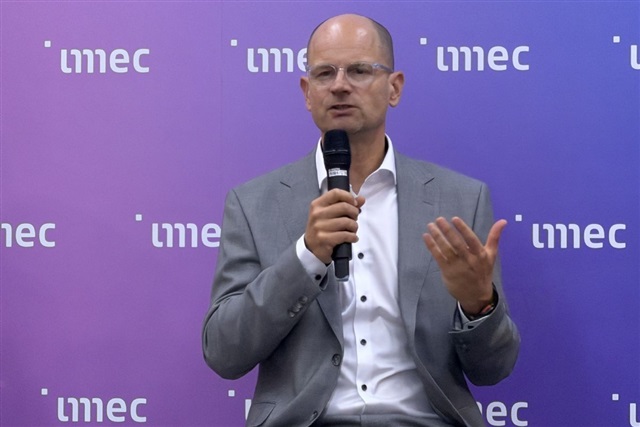
Imec CEO Patrick Vandenameele said at SEMICON Taiwan 2026 that the Belgian research center is broadening its c…
Alphabet's AI Overviews now reach over 2.5 billion monthly users through Google Search, and its ad business ge…

Visual Studio Code 1.135 now includes an experimental 'Rubber Duck' feature that lets developers request a sec…
Amazon Web Services (AWS) has integrated its fully managed data warehouse service, Amazon Redshift, with Agent…
Anthropic is making a permanent 25% increase to the usage limits in Claude Code, effective after September 14