What happened
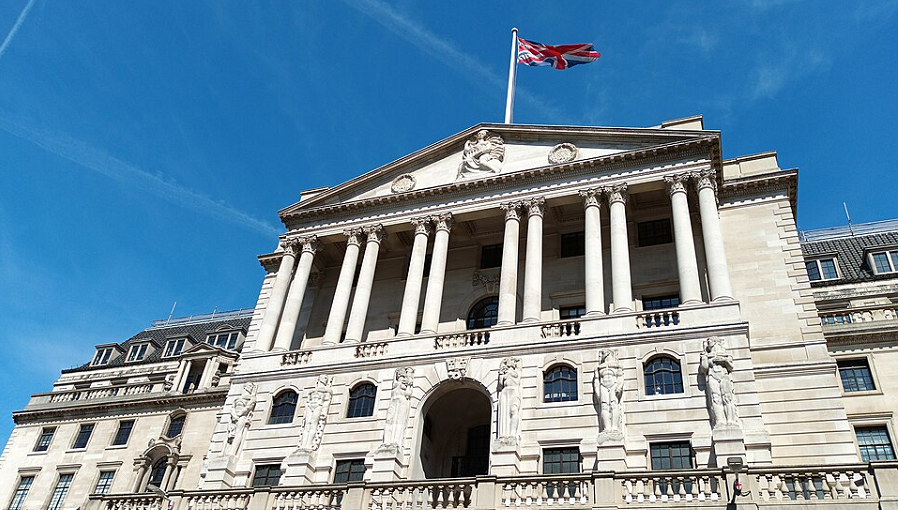
Bank of England governor Andrew Bailey warned that advanced AI poses risks to financial infrastructure in a letter to G20 finance ministers and central bank governors. The letter was made public before the group's annual meeting in Asheville, North Carolina.
Why it matters
Bailey cited 'stretched asset valuations' in the AI market and debt in circular investment deals between AI companies and hyperscalers as fragilities. He also highlighted that LLMs could launch cyberattacks, and because top investment firms use technology from the same third-party providers, a breach at one provider could compromise multiple institutions.
What to watch
Bailey recommends preparing for disruptions affecting multiple institutions or suppliers at once and implementing workflows to restore critical systems from 'bare metal' after a significant cyber incident. The letter notes that AI's ability to rapidly spot software vulnerabilities will require banks to roll out patches faster.
Summaries like this, in your inbox every morning.
The warnings come amid a backdrop of increasing AI adoption in finance and a recent public letter from over 100 banks and tech firms about AI cybersecurity risks. Bailey's letter, written as chair of the Financial Stability Board, points to specific fragilities in the AI market, including high asset valuations and circular debt deals between AI companies and hyperscalers. These issues, combined with the interconnected nature of financial systems relying on shared third-party technology providers, create a scenario where a single point of failure could have widespread consequences.
The letter's focus on cybersecurity suggests a growing concern about LLMs' offensive capabilities. Bailey notes that AI's ability to rapidly spot software vulnerabilities will force banks to speed up patch deployment, a challenging task given the need for testing. However, he also acknowledges the dual-use nature of the technology, stating that frontier AI offers significant opportunities to strengthen cyber defense. The emphasis on resilience and preparedness indicates a call for the industry to match capability advances with robust safeguards.
Pick your industry and the AI tools you use, and get news related to your work every day.
Free · 30 seconds with Google · unsubscribe anytimeWhat is AIToday? →
Ask AI anything about this article. The AI reads this article, earlier AIToday articles, and Wikipedia, and cites its sources. Q&As are published on this page for other readers too.
The Motley Fool argues Amazon is the AI company of the two, since AWS was just 21% of first-half 2026 revenue…

Hewlett Packard Enterprise stock is down 5% at $55.87

Anthropic gave six METR staffers hardware, office space and internal tools, putting them roughly on par with i…

Cammarata reinterprets InceptionV1's cat-car neuron as a V-shape detector, not two unrelated concepts

Meta's new commercial terms, effective October 30th, appear to let it crawl and train AI on content from websi…

Vercel data published Thursday shows TypeSafe AI's Jev, a lightweight decision model for choosing among predet…