What happened
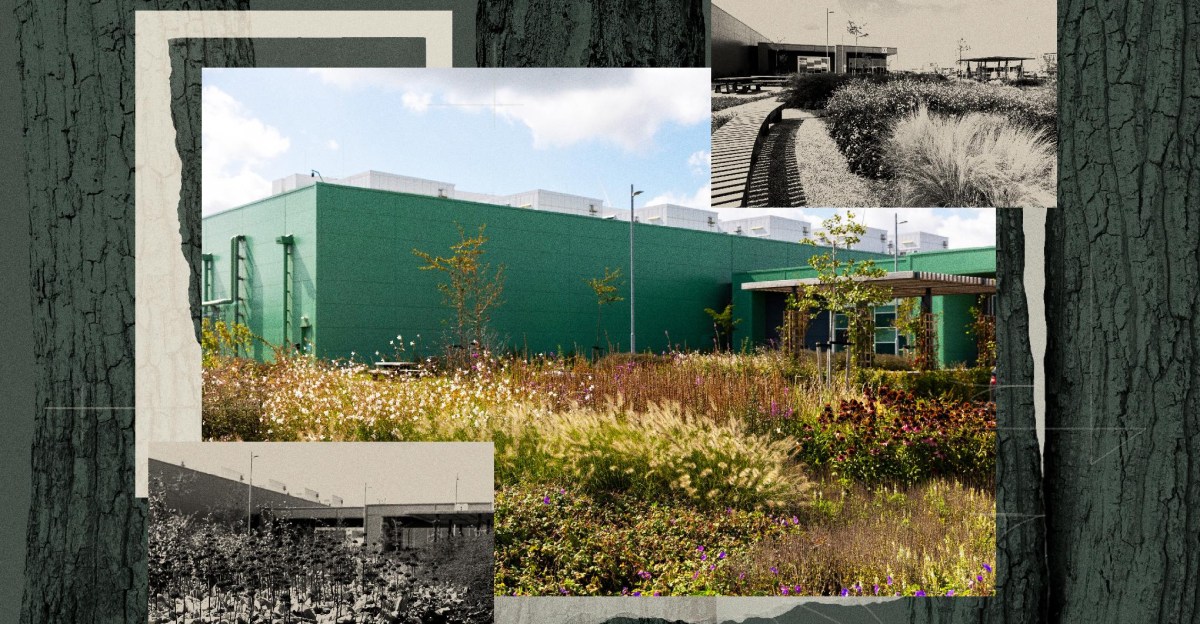
Microsoft is bringing nature-inspired solutions to restore and enhance ecosystems at more than 20 sites in the US and Germany, after starting biomimicry at a Netherlands data center in 2022.
Why it matters
The move is meant to limit problems its data centers have caused for neighbors, like noise pollution and loss of green space, as US communities push back against hyperscale facilities.
What to watch
Advocates say biomimicry is "lipstick on a pig" if Microsoft's broader emissions and gas-plant deals aren't addressed. Watch whether the company tracks and shares the local benefits it promises.
WHO IT HITSLocal residents near Microsoft data centers and municipal officials who must weigh new projects will see whether the biomimicry promises change conditions on the ground. Environmental and consumer advocates will judge the effort against the company's carbon emissions, which jumped 25 percent in 2025, and its natural gas deals.
Summaries like this, in your inbox every morning.
San Antonio City Councilmember Ric Galvan remembers when data centers first arrived in his city in the 2000s looking like relatively unassuming office buildings. That changed as facilities grew into massive "hyperscale" complexes spanning millions of square feet and housing the physical infrastructure for AI. His roughly 55-square-mile district now has more than a dozen data centers, and he expects that to grow to around 20 over the next few years if proposed projects are completed. They cluster along two main roads, concentrating traffic, cut trees during construction, and then constant bright lights and noise once operating.
Microsoft has operated data centers in the Greater San Antonio area for almost a decade and is spending hundreds of millions of dollars to build several more. In 2022, the company cut down more than 2,600 trees across a 33-acre expanse to build a data center, a controversy that Galvan says was frustrating given the local tree canopy helps mitigate Texas heat. Microsoft spokesperson Jennifer Lyons said the company is "investing in enhancement projects that includes 400+ acres of woodland and pollinator prairie restoration" in San Antonio with a goal of leaving "land more productive than we received it." The biomimicry initiative builds on projects like a $4.2 million effort in Mount Pleasant, Wisconsin, to restore a creek, and plans to outfit stormwater ponds with forebays there.
Even some advocates who praise the local customization remain skeptical of the larger picture. Public Citizen's Adrian Shelley calls the nature-based solutions "lipstick on a pig" when set against pollution from new gas plants built to power data centers, including a 20-year Chevron agreement in West Texas. Microsoft's carbon pollution jumped 25 percent in 2025. The real test, according to HARC's Erin Kinney, will be how the company calculates, tracks, and shares the benefits with local communities. Whether biomimicry shifts how residents and regulators view Microsoft's expansion may hinge on that transparency — and on whether the company's broader energy choices ease the concerns that prompted moratorium proposals in Texas.
Pick your industry and the AI tools you use, and get news related to your work every day.
Free · 30 seconds with Google · unsubscribe anytimeWhat is AIToday? →
Ask AI anything about this article. The AI reads this article, earlier AIToday articles, and Wikipedia, and cites its sources. Q&As are published on this page for other readers too.

