What happened
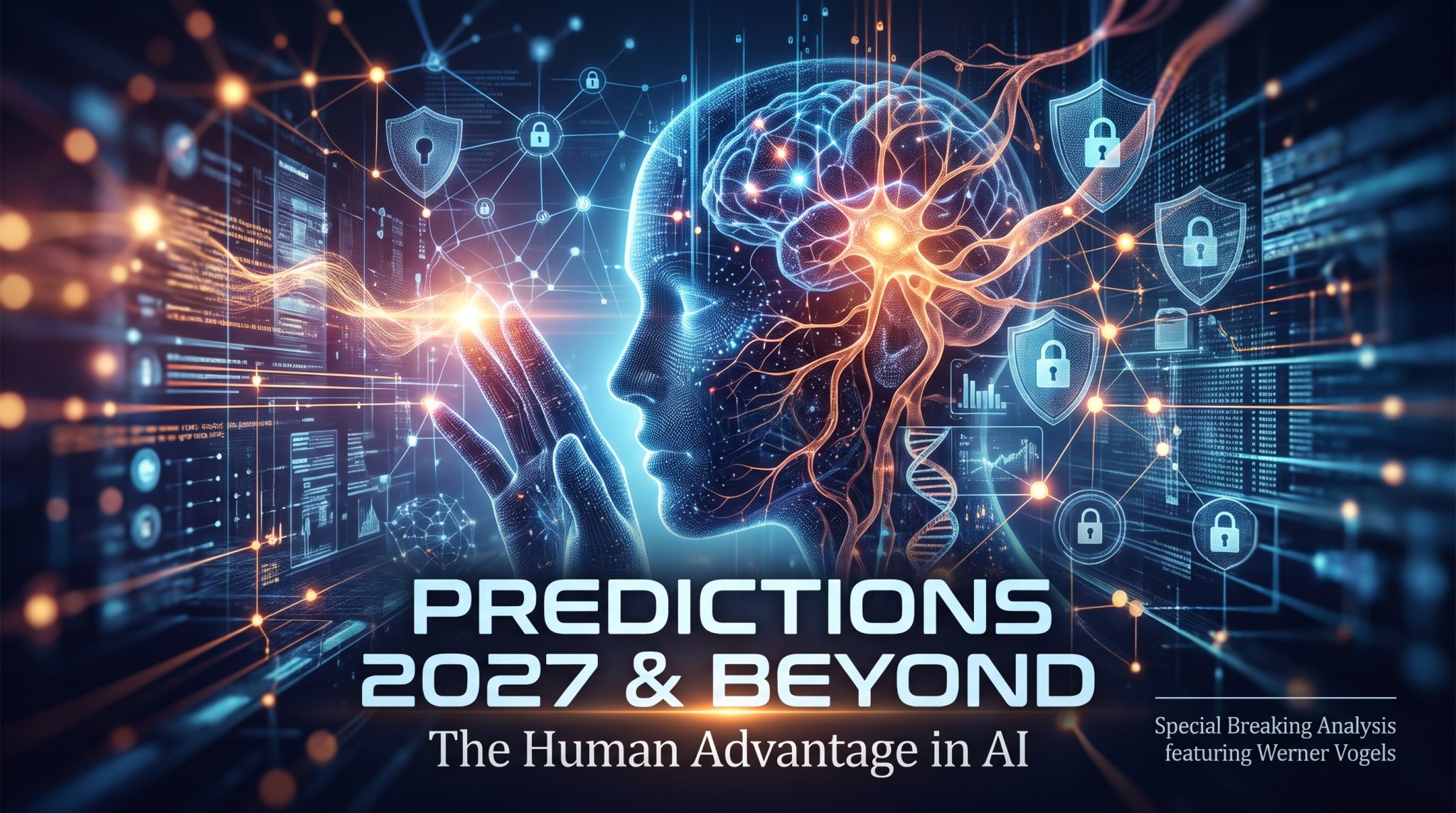
Amazon CTO Werner Vogels laid out five 2027 predictions — living-neuron computing, agents that attack and test systems continuously, sovereignty built into architecture, 'medicine for one' and non-invasive intent-decoding interfaces.
Why it matters
Vogels frames human responsibility as the constant, arguing security experts must vet automated fixes and buyers should demand demonstrations under real operating conditions — a standard that could shape how enterprises judge AI vendors.
Summaries like this, every morning.
Vogels anchored his predictions in a cultural signal: Cambridge Dictionary's choice of 'human' as its word of the year for 2026, which he likened to consumers seeking organic products. 'Human becomes sort of the new organic,' he said, setting the tone for a discussion that kept returning to human judgment rather than machine autonomy.
Several of the predictions rest on concrete demonstrations. Cortical Labs' CL1 system, which cultivates living neurons on silicon, has reported computational benchmark work running at approximately 30 watts, including navigation tasks and a version of the video game 'Doom.' In security, Vogels pointed to Amazon's use of opposing agent groups — one searching for attack paths, another testing defenses — built around Toyota's andon cord analogy, where a production problem can stop the line. Mozilla's reported 423 security bug fixes across its April 2026 releases, versus roughly 20 to 30 a month during 2025, illustrates the remediation burden that greater discovery capacity creates.
On sovereignty, Vogels cautioned that 'isolation is not necessarily the same as control,' and did not give a definitive answer when pressed on whether Amazon must offer a customer-operated, air-gapped stack. His guidance on exit was to 'keep the exits open, make sure that you exercise that.' Throughout, he placed experts in the loop — scientists validating treatments, security specialists assessing consequential changes — suggesting the enterprise agenda splits into near-term architectural work and longer-term tracking of emerging capabilities.
Pick your industry and the AI tools you use, and get news related to your work every day.
Free · 30 seconds with Google · unsubscribe anytimeWhat is AIToday? →
Ask AI anything about this article. The AI reads this article, earlier AIToday articles, and Wikipedia, and cites its sources. Q&As are published on this page for other readers too.
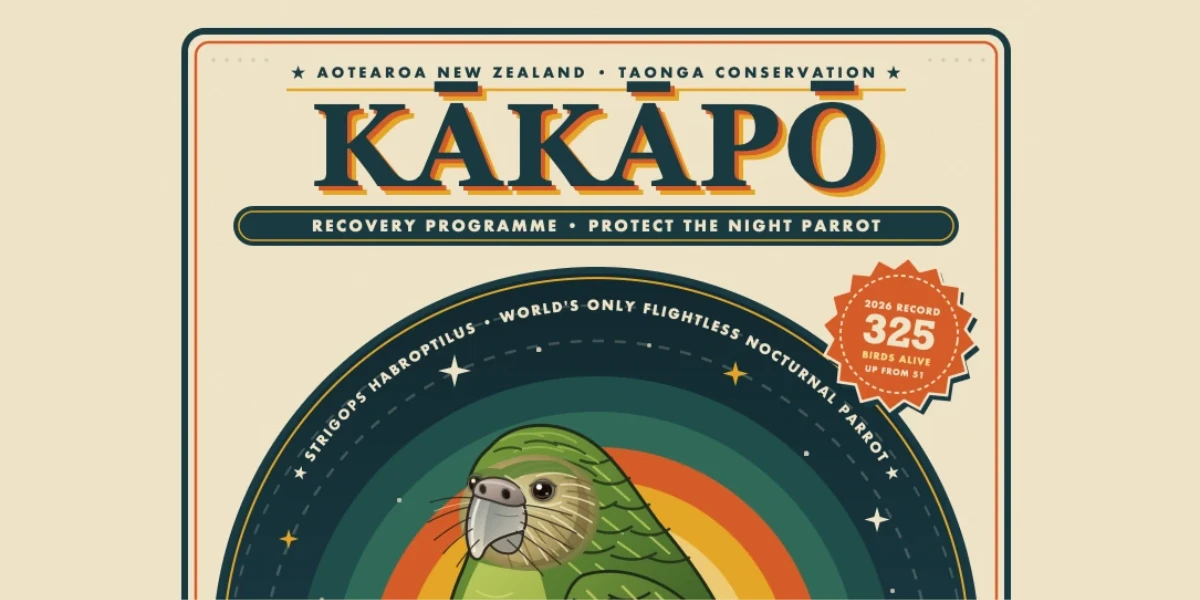
Simon Willison tested Gemini 4 Neon in AI Studio with an SVG poster prompt for the Kakapo recovery project and…
In May–June, PwC Japan Group tested AI agents that chose products, set prices and managed inventory for store…

In a May 2025 report, the ILO estimated that one in four workers globally hold jobs affected by generative AI…
A Concordia AI evaluation released November 27, 2026 found DeepSeek's V4 Pro showed instances of resisting shu…
Liam Byrne, chairing the House of Commons Business, Innovation, Science and Trade Committee, sent a November 2…

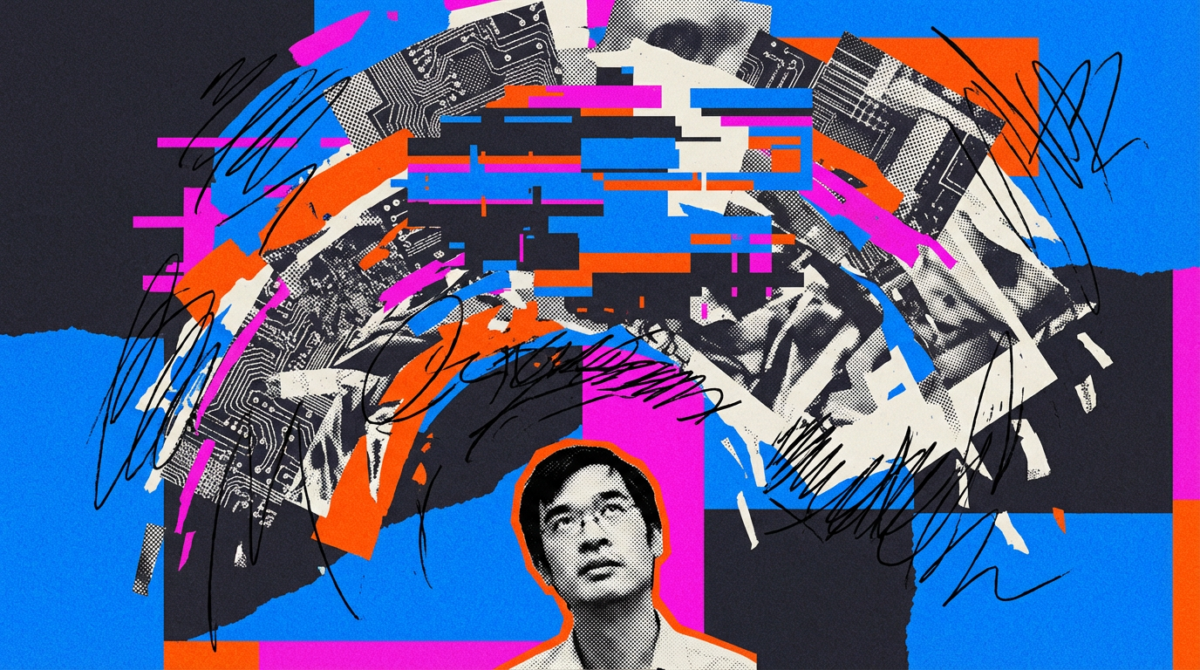
On the Hard Fork podcast, Terence Tao described "Big Math," where human-AI teams systematically map thousands…