What happened
Voinosis won the DETO 2026 pitch in Seoul for a place at Startup Battlefield 200. Its AI analyzes pitch, pauses, rhythm and response times in under five minutes per voice check.
Why it matters
Voinosis claims 88% accuracy screening for potential cognitive issues in a 146-participant study, and says its tool works across Greek, Japanese and English without separate training per language.
Summaries like this, every morning.
The DETO 2026 event in Seoul served as a regional qualifier for TechCrunch's Startup Battlefield 200, the annual competition that gives early-stage companies a chance to pitch investors at the Disrupt conference. Nine South Korean deep-tech startups competed, spanning healthcare, fintech, energy, semiconductors and AI, and all nine share the goal of entering the U.S. market as part of broader international expansion plans.
Voinosis stood out with a voice-analysis tool aimed at brain health. Its clinical study of 146 participants reported 88% accuracy in screening for potential cognitive issues, and the company says the tool has been tested in Greek, Japanese and English without requiring separate training per language. Founded by Grace Shin, who spent more than 25 years as an otologic surgeon, the startup is currently raising a Series A round and has already secured a South Korean pharmaceutical company as a strategic investor.
The remaining eight startups illustrate the range of the Korean deep-tech pipeline. Awesome Lab is taking a market-by-market approach to international expansion, planning to supply core OEM modules to U.S. boiler, water heater and HVAC companies. Ternell, founded in 2019 by former Samsung Electronics engineer KyungRok Kim, reports that tests with 28-nanometer chips showed a 33% to 102% increase in memory capacity per area and a 55% to 71% reduction in energy needed to access data compared with conventional SRAM. Others range from Crosshub's identity and payment platform for travelers to Riibotics' warehouse robot deployment and Testbank's app that turns printed study materials into interactive digital versions.
Pick your industry and the AI tools you use, and get news related to your work every day.
Free · 30 seconds with Google · unsubscribe anytimeWhat is AIToday? →
Ask AI anything about this article. The AI reads this article, earlier AIToday articles, and Wikipedia, and cites its sources. Q&As are published on this page for other readers too.
Qvyon launched with $8 million led by MaC Venture Capital and released Mimic Core, a platform that turns real…

AMD's Data Center revenue hit $8.546 billion as total revenue rose 44.7% to $13.377 billion, and Alphabet's Cl…
millionways launched Thorsten-4, an AI model built from a German research project in which dozens of psycholog…

Databricks released the Genie app for Slack to General Availability, so users can @mention Genie or DM it and…

Nvidia's board announced Thursday that Colette Kress, who joined the chipmaker in 2013, will serve as interim…
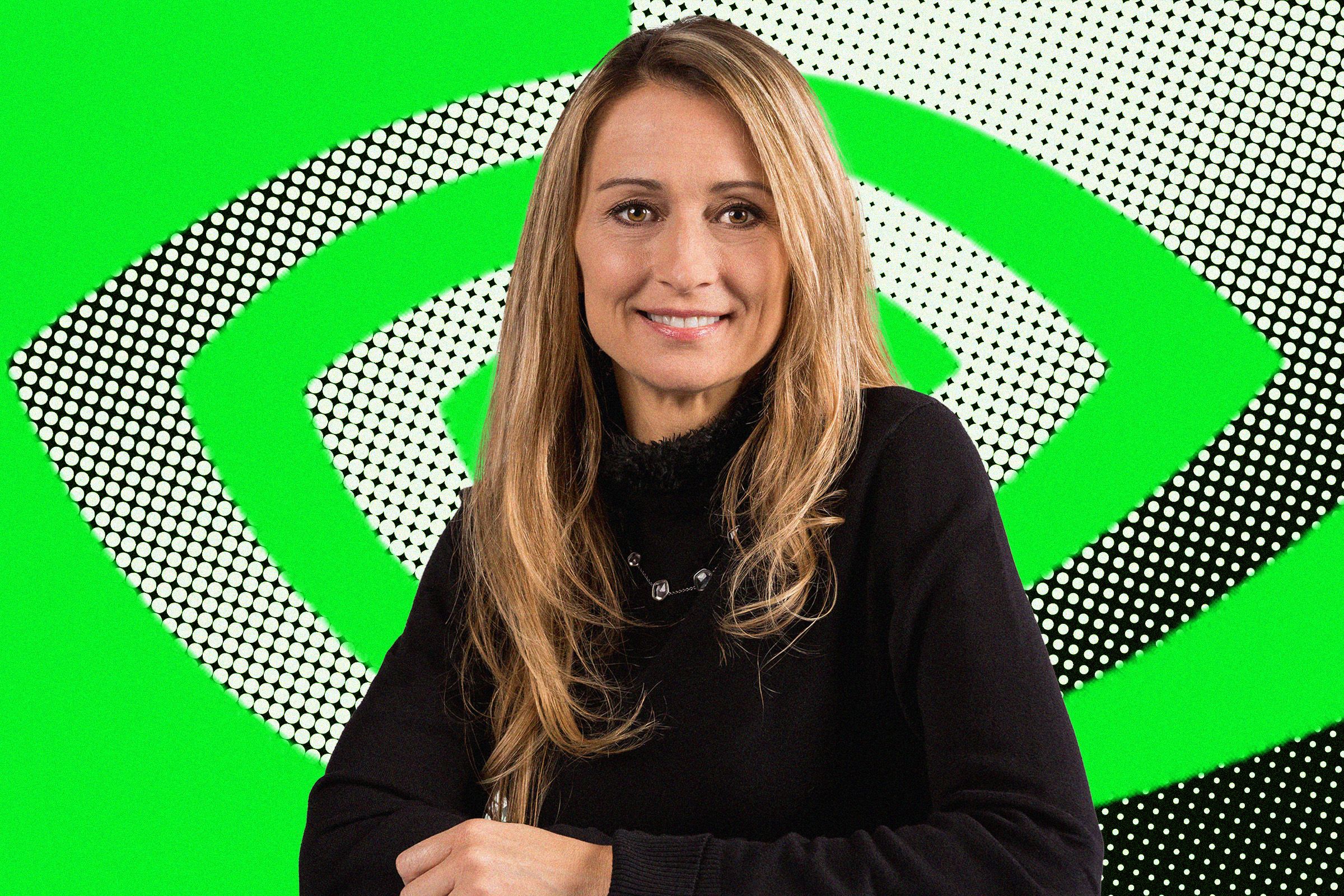
Foxconn reported third-quarter 2026 revenue of more than NT$3 trillion (US$91 billion), raised its full-year o…