AIToday
Video GenerationAI Business & IndustryThe Verge AIPublished: Aug 8, 2026, 06:00 JST4 min read

Roku debuts AI-generated content channel from Fairground startup

Roku debuts AI-generated content channel from Fairground startup

Key takeaway

  • Roku has launched a new 24/7 streaming channel featuring AI-generated content from Fairground, a startup founded in 2025.

  • The channel, called Fairground AI Creator TV, serves short-form videos created by text-to-video models with little visual polish or consistent theme—content that feels distinctly lower-quality than the traditionally produced films and shows Roku also offers.

  • While Fairground frames its work as designed for passive living-room viewing rather than competing with major studios, the move reflects Roku's willingness to platform generative AI content despite its current lack of polish or clear appeal to viewers.

3 Key Points

  1. What happened

    Roku added four new channels to its streaming library this week, including a 24/7 stream of AI-generated content from Fairground, an AI startup founded in 2025 by Colin Petrie-Norris. Fairground is also reportedly working on AI-generated adaptations of Robin Hood and Dracula.

  2. Why it matters

    While Roku frames the move as entering the generative AI space, the channel's content—short-form video generated by text-to-video models—lacks visual polish and cohesive narrative, appearing more like unrefined machine-generated clips than intentional entertainment. The partnership signals a low bar for what Roku is willing to platform, even as Fairground positions its work as designed for passive, background viewing rather than competing with traditional studio productions.

  3. What to watch

    Fairground's website emphasizes that it pays content partners for their generations and gives them an undisclosed share of platform revenue, though there is no disclosure of which AI models are used or whether rights were secured for training data. The startup's ability to build an audience through Roku's massive viewer base will test whether there is demand for AI-generated content as casual background programming.

In Depth

Read the full story

This week, Roku expanded its library of free ad-supported streaming television (FAST) channels with four new additions: dedicated feeds for old episodes of Mad TV, Whose Line Is It Anyway?, a variety of Black sitcoms, and a 24/7 stream of AI-generated content from Fairground, an AI startup founded in 2025 by Colin Petrie-Norris.

Fairground AI Creator TV is structured like a traditional FAST channel: viewers encounter a curated selection of programming designed for passive consumption. While the interface allows scrubbing forward and backward by a few seconds, there is no mechanism for viewers to select specific genres or types of content. The channel's programming comes from a selection of content creators who have partnered with Fairground. Fairground's website emphasizes that it pays these partners for their generations and gives them an undisclosed share of the platform's revenue, though the startup does not disclose which AI models generate the content or whether it has secured rights to the training data involved.

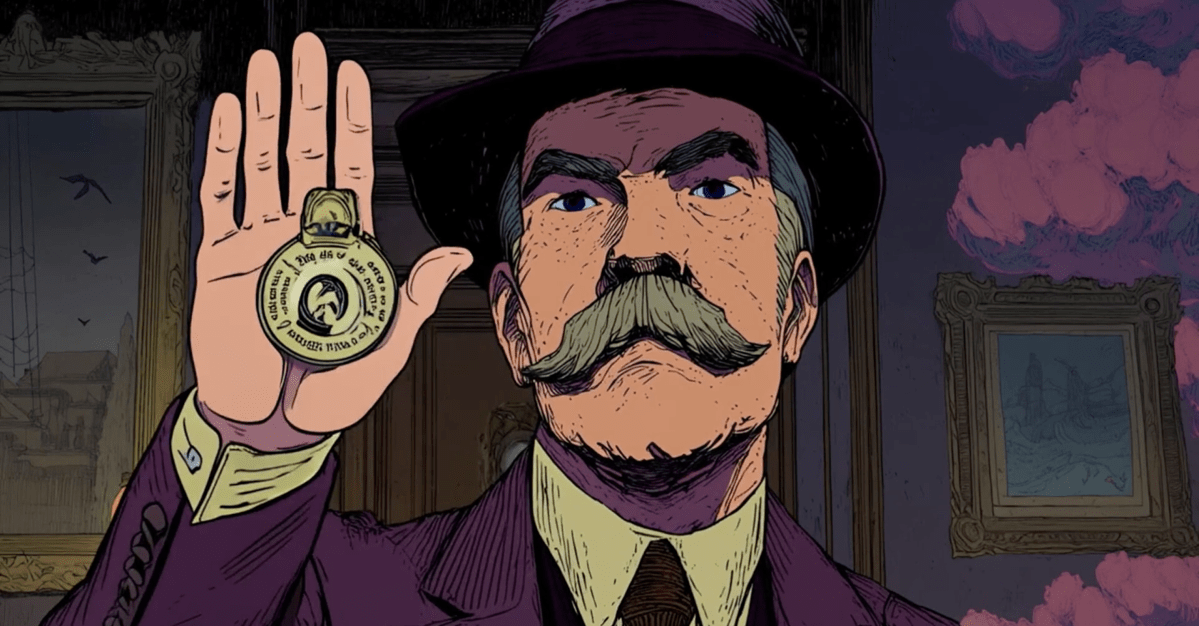
The actual content on the channel reveals both the current state of text-to-video AI and Fairground's modest ambitions. During an hour of viewing, the output appeared largely uniform in quality: short-form videos with inconsistent visual style and no coherent thematic thread. Some segments appeared to be generated from anime footage, others resembled poor-quality CGI, and many lacked narrative coherence. However, some videos did contain semi-cohesive stories—a live-action horror about people defeating a demon through mockery, a fantasy sequence possibly inspired by The Odyssey—suggesting some degree of post-production editing and human curation. The videos' audio mixing and length indicate editing work, but their general lack of visual polish made their machine-generated origins clear, especially when contrasted against traditionally produced Roku content shown in ad breaks.

For Fairground, the Roku partnership represents significant exposure. The startup is also reportedly working on AI-generated adaptations of Robin Hood and Dracula. Unlike most AI production startups, which frame themselves as positioned to revolutionize entertainment by eventually matching or exceeding traditional studio output, Fairground has taken a different stance: its programming is designed for the living room as passive background viewing, not for direct competition with professional entertainment. This positioning allows the company to sidestep questions about quality while aiming for a niche of viewers seeking mindless, ambient content. For Roku, the deal primarily delivers the ability to claim involvement in generative AI, even as the quality gap between Fairground's output and traditionally produced content on the platform becomes evident to any viewer.

Context & Analysis

Roku's decision to add Fairground's AI-generated channel reflects a broader tension in how streaming platforms are responding to generative AI. Rather than framing AI as a tool to enhance or replace traditional production workflows—the approach most AI production startups emphasize—Fairground has positioned itself in a narrower niche: content designed for passive background consumption in the living room. This positioning sidesteps the question of whether AI can match studio-quality entertainment by simply aiming lower.

The channel's actual output underscores this limited ambition. The videos mix style and quality inconsistently: some appear to be generated from anime footage, others resemble low-quality CGI, and while a few contain semi-cohesive narratives (like a horror story about people mocking a demon, or a fantasy inspired by Greek mythology), the overall lack of visual polish makes their machine-generated origins obvious. The contrast becomes starker when traditional Roku ads appear between segments—a reminder of what professionally produced content looks like.

For Roku, platforming Fairground signals entry into the AI content space at minimal cost and risk. Fairground pays its content creators for their generations and shares undisclosed platform revenue with them, but Roku itself gains primarily the ability to claim AI involvement. For Fairground, the partnership offers access to Roku's massive audience, potentially validating the business model of AI-generated content as ambient, low-stakes viewing. Whether that audience actually wants to watch such content remains an open question.

FAQ

What is Fairground and who founded it?
Fairground is an AI startup launched in 2025 by Colin Petrie-Norris. It creates AI-generated video content and is reportedly working on AI-generated adaptations of Robin Hood and Dracula.
How does Fairground AI Creator TV work on Roku?
The channel is a 24/7 curated stream of AI-generated short-form video. Viewers can scrub forward and backward a few seconds but cannot choose what kinds of videos the channel serves up, making it a passive viewing experience similar to other FAST (free ad-supported streaming television) channels.
Does Fairground disclose which AI models it uses?
No. Fairground's website does not mention which models are used to create the content or whether it secured rights to use the training data involved.

Get the latest Video Generation news every morning

AI-summarized, only the topics you pick — one digest a day via Email, Slack, or Discord.

Free · takes 30 seconds · unsubscribe anytime

Ask AI

Ask AI anything about this article. Q&As are published on this page for other readers too.

Related Articles

Next articleMeta, Microsoft, Amazon, Google earnings diverge on AI infrastructure spending

The AI news that matters, in one minute each morning.

Sign up free