What happened
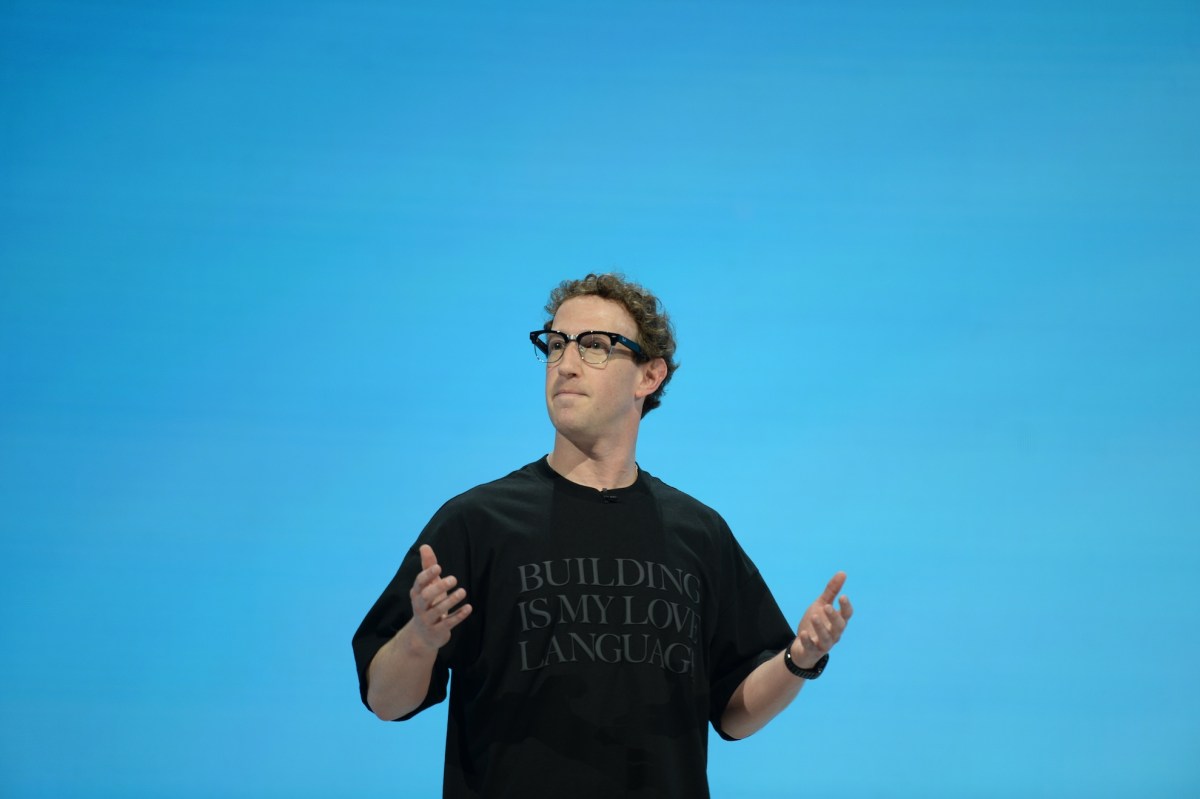
At Connect in Menlo Park, Zuckerberg said Muse is coming to Meta's AI glasses, to Mac desktops via Muse Spark, and will get its own email address. Muse users will soon create a digital avatar, Muse Realtime Avatar, and video chat with it live.
Why it matters
Muse is being woven into everyday tasks like email, calendars, workouts and shopping, and Zuckerberg expects it to grow into a personal superintelligence billions will use, with Meta taking a small fee from transactions.
What to watch
Many features have no firm date — the glasses launch is 'the coming months' and the email address is 'soon' — and with Stripe, Shopify and retailers like Walmart and Best Buy, the test is whether shopping through Muse actually converts.
WHO IT HITSDevelopers building connectors on Meta's newly opened platform, retail and payments partners like Shopify, Stripe and PayPal, and everyday consumers who delegate email, calendar and shopping tasks to an agent.
Summaries like this, in your inbox every morning.
Muse is only a few weeks old, having launched in early September, and Meta is already treating it as its biggest consumer AI bet to date. The agent is powered by Muse Spark, Meta's multimodal model built for agentic work, and Meta has positioned it as more accessible than rival agents from OpenAI and Anthropic. At Connect, Zuckerberg framed the ambition plainly: he expects Muse to grow into the personal superintelligence billions of people will use.
The announcements clustered around reach and commerce. Muse is set to appear on Meta's smart glasses, activate by a wake word, and handle things like guided workouts, meal logging, appointments and buying products a user sees. On Mac, users can delegate tasks and walk away while the agent works, and Muse will also get its own email address so it can be added to threads or forwarded messages. Meta's chief AI officer Alexandr Wang tied the shopping push to partnerships with Stripe, Shopify, PayPal and retailers including Best Buy, Gap, Sephora, Walmart and Wayfair, alongside connectors such as GitHub, Granola and Notion.
What the outcome hinges on appears to be timing and adoption. Meta has not pinned down dates — the glasses feature is 'the coming months' and the email address is 'soon' — and the paying side depends on whether transactions through Muse materialise as Zuckerberg expects. The other open question is whether outside developers keep building connectors: Meta says it received more than 1,500 applications in less than a week after opening its platform, a signal worth watching as this new agent surface takes shape.
For example, today's edition would include:
AI-summarized, only the topics you pick: one digest a day via Email, LINE, or Slack.
Free · 30 seconds with Google · unsubscribe anytimeWhat is AIToday? →
Ask AI anything about this article. The AI reads this article, earlier AIToday articles, and Wikipedia, and cites its sources. Q&As are published on this page for other readers too.
TheCUBE will cover Dell’s AI Leadership Symposium on Sept

NetApp INSIGHT will air on theCUBE on Sept

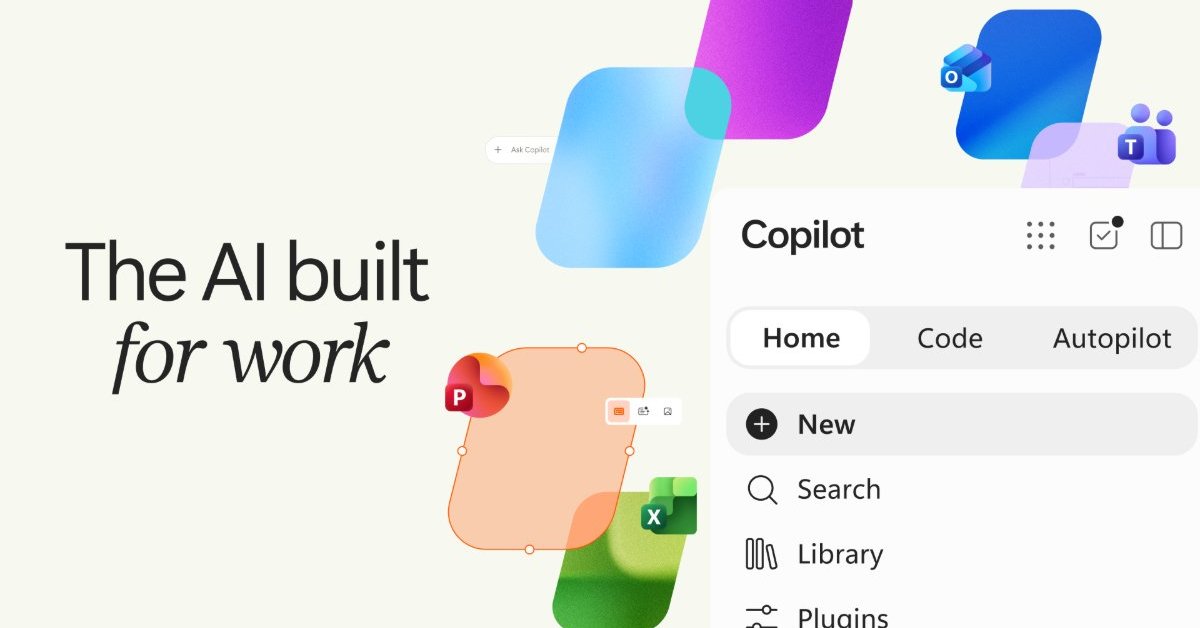
Microsoft said the rebuilt Microsoft Copilot app is built on three tabs — Home, Code and Autopilot — with "Off…
Tracom, a recruiting-support company, reported that as of July 17, 2026 it had cut document creation from 32 h…

Disney named Karandeep Anand, outgoing CEO of Character.AI, as its first-ever chief technology officer, effect…

Amazon raised its 2026 capital-spending forecast to about $220 billion, largely for AI and cloud infrastructur…