What happened
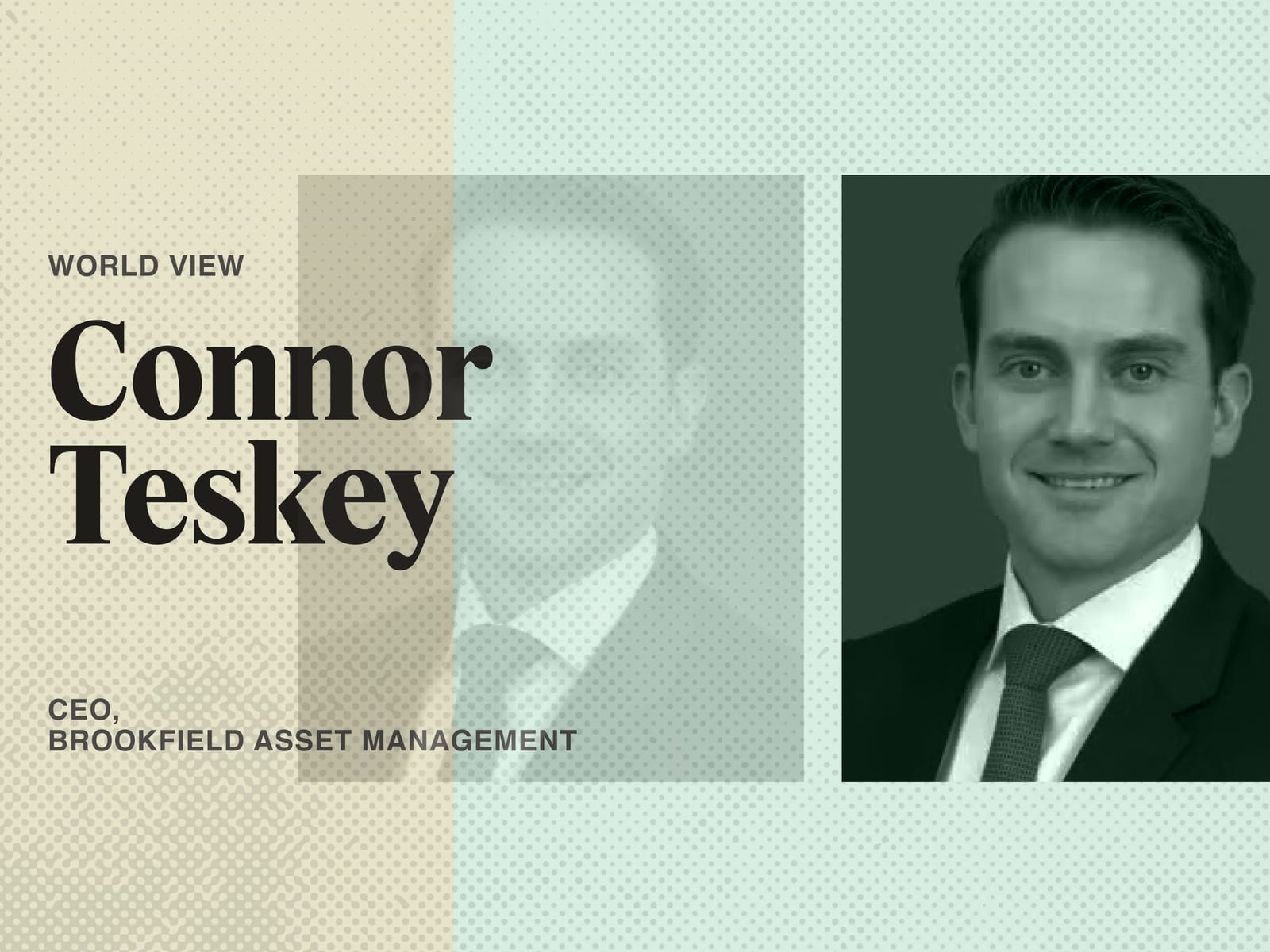
Brookfield CEO Connor Teskey told Semafor the energy imbalance and capital needs behind AI infrastructure will last "through the end of this decade and beyond," citing fuel cells, renewables, batteries and nuclear as fastest-growing power sources.
Why it matters
If Teskey is right, the power bottleneck won't ease soon, so the investors who can fund generation and data centers stand to keep earning — even with rivals at the same table.
What to watch
Teskey says Brookfield is "doing the tiniest fraction" of opportunities it sees, so returns will hinge on project selection; watch whether gas turbines, which he says can't be ordered today for delivery in a year starting with 'two', remain a constraint.
WHO IT HITSThe remarks land on infrastructure investors and energy project developers weighing AI-related capital deployment, and on the data center operators and tech companies that need that power. Teskey's view suggests financing capacity, not demand, is the near-term constraint.
Summaries like this, in your inbox every morning.
Teskey frames AI infrastructure as following a familiar playbook: independent capital providers build and hold assets first, then banks syndicate financing, then private credit and insurance step in. The difference this time, he says, is scale and speed.
On energy, he is blunt that gas remains critical, but the wait for a new turbine stretches past a year starting with a 'two.' That is why solar and batteries are seeing the most growth now, while nuclear offers higher potential returns because fewer investors have the expertise to pull off projects.
Public pushback on data centers and fears of overbuilding are, in his view, "most starkly divorced from the fundamentals." Even if demand fell, he argues supply would still fall short. The test for Brookfield's thesis is whether its tight deal filter keeps returns intact as more capital crowds in — and whether its long-term contracts truly insulate it if the demand environment shifts decades from now.
Pick your industry and the AI tools you use, and get news related to your work every day.
Free · 30 seconds with Google · unsubscribe anytimeWhat is AIToday? →
Ask AI anything about this article. The AI reads this article, earlier AIToday articles, and Wikipedia, and cites its sources. Q&As are published on this page for other readers too.

