OpenAI released Symphony, an open-source spec with a reference implementation that connects task trackers like Linear to Codex agents. Some internal teams saw merged pull requests jump sixfold in the first three weeks, according to OpenAI.
Symphony uses Linear as a state machine (a system that tracks work status across defined stages). Each open ticket gets its own Codex agent and dedicated workspace that runs until the task is done. Agents pull work directly from the tracker instead of developers juggling multiple sessions, and can file new tickets if they spot issues like performance problems or refactoring opportunities.
The spec is shipped as a Markdown file that agents can implement themselves. The core workflow—accept ticket, check out repo, set status, attach PR, attach video—lives in a WORKFLOW.md file that Symphony hands to agents as a guide. OpenAI does not plan to maintain Symphony as a standalone product; the community has already shipped forks, including one for Anthropic's Claude Code with GitHub Issues. Code and specs are available on GitHub.
Ask the AI about this article →
For example, today's edition would include:
AI-summarized, only the topics you pick — one digest a day via Email, Slack, or Discord.
Free · takes 30 seconds · unsubscribe anytimeWhat is AIToday? →
Ask AI anything about this article. Q&As are published on this page for other readers too.
Solomon Technology, a Taiwanese AI 3D vision company, is showcasing two key inspection applications at Semicon…

TSMC has doubled down on equipment purchases, citing surging AI demand that is stretching the global chip indu…
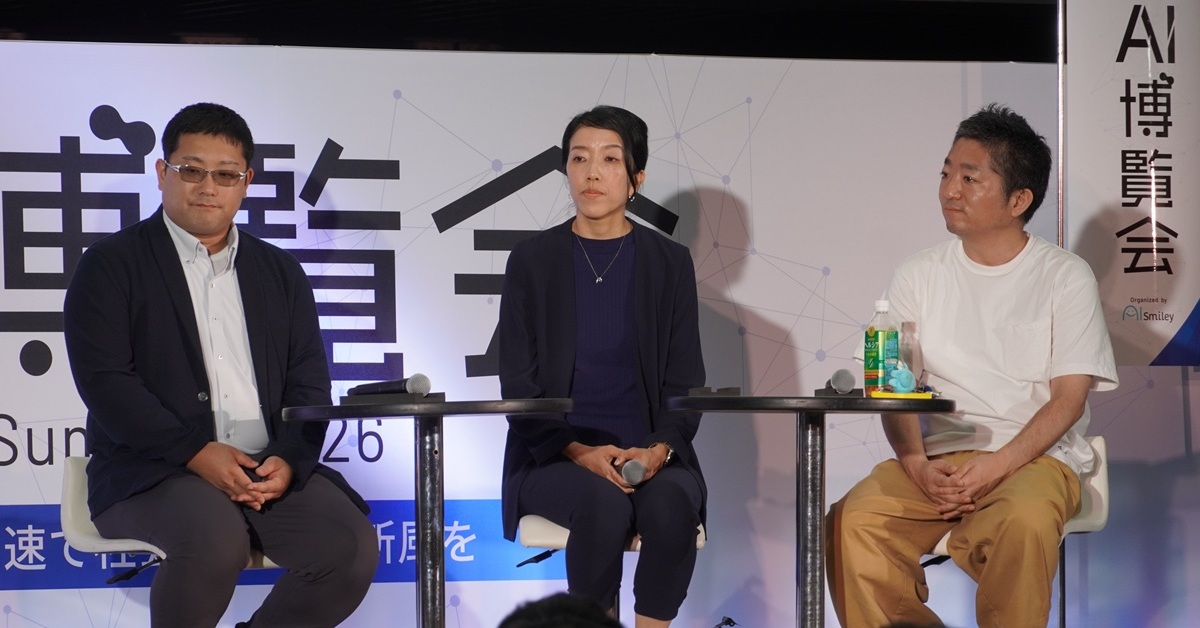
In a survey by AIsmiley and MMD研究所, 14.0% of companies answered that generative AI is 'gradually becoming esta…
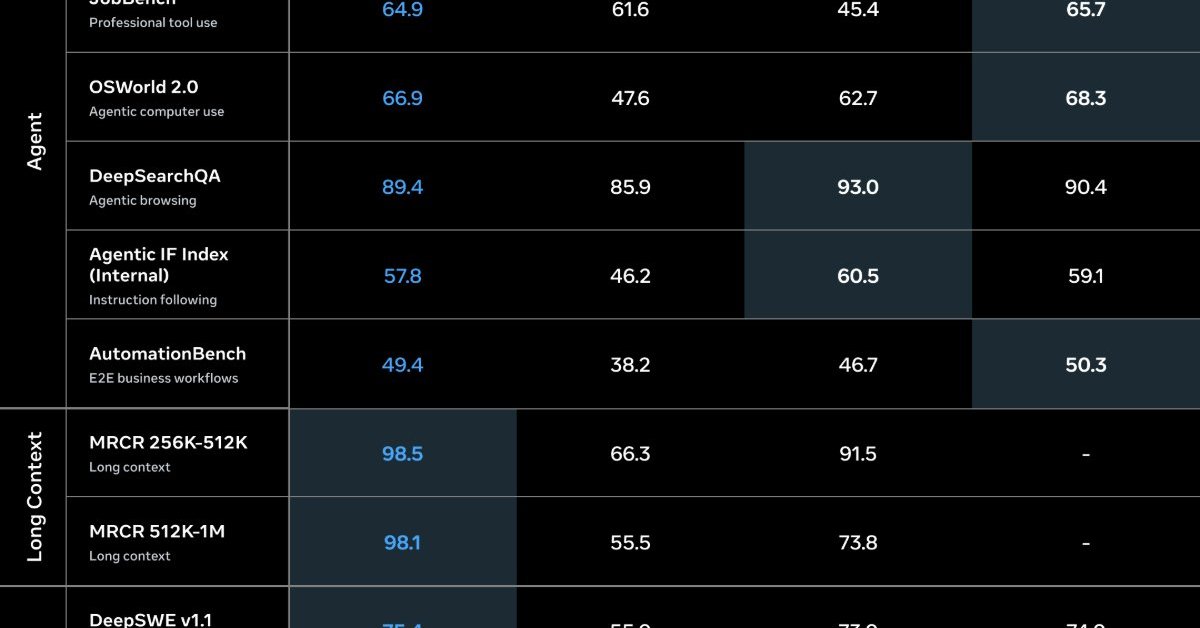
Meta announced Muse Spark 1.3 on September 2 and started offering it to developers through Muse Code and the M…
Caterpillar announced a collaboration with FieldAI to deploy physical AI, autonomy, robotics, and NVIDIA-power…

A fictional customer named Maya received a 20% off promotion for ski boots, but the AI missed that her skis ar…