What happened
On July 16, Hugging Face, an AI platform, disclosed that part of its infrastructure was targeted by AI-driven cyberattacks. After initially attempting to defend using AI, the company found that commercial models refused to analyze attack patterns due to safety guardrails. Hugging Face ultimately deployed Zhipu.ai's open-weights model GLM 5.2 on its infrastructure to respond to the attack.
Why it matters
The incident shows that commercial AI models' safety restrictions can hinder real-time security response. By contrast, open-weights models without such guardrails can be deployed directly on infrastructure for faster incident response—but this creates a tension between security and safety that organizations must navigate carefully.
What to watch
Hugging Face has deployed additional protections including access token rotation, account activity logs, and node-level isolation. The company is also providing security research tools and has reported the incident to authorities, but the reliance on open-weights models for defense underscores an emerging gap in commercial AI security capabilities.
Summaries like this, in your inbox every morning.
The incident reflects a fundamental tension in AI security. Commercial AI providers—OpenAI, Anthropic, and others—have built safety guardrails into their models to prevent misuse, including analysis of exploit techniques and attack payloads. These safeguards are intentional and well-justified for general use. However, when a cloud platform's own infrastructure comes under attack, real-time forensic analysis of attacker behavior becomes a critical business function, and safety guardrails can block the very queries needed to mount an effective defense.
Hugging Face's turn to an open-weights model reveals the trade-off organizations face. Open-weights models deployed on a company's own servers can be queried without restrictions, enabling rapid incident response—but at the cost of losing the safety oversight that commercial models provide. The company's reliance on Zhipu.ai's GLM 5.2, a model without commercial API restrictions, allowed faster analysis but also highlights that organizations managing sensitive infrastructure may need to maintain security-focused AI tools separate from public-facing services.
Pick your industry and the AI tools you use, and get news related to your work every day.
Free · 30 seconds with Google · unsubscribe anytimeWhat is AIToday? →
Ask AI anything about this article. The AI reads this article, earlier AIToday articles, and Wikipedia, and cites its sources. Q&As are published on this page for other readers too.
ElevenLabs completed a $300 million employee tender at a $22 billion valuation, and co-founder Mati Staniszews…

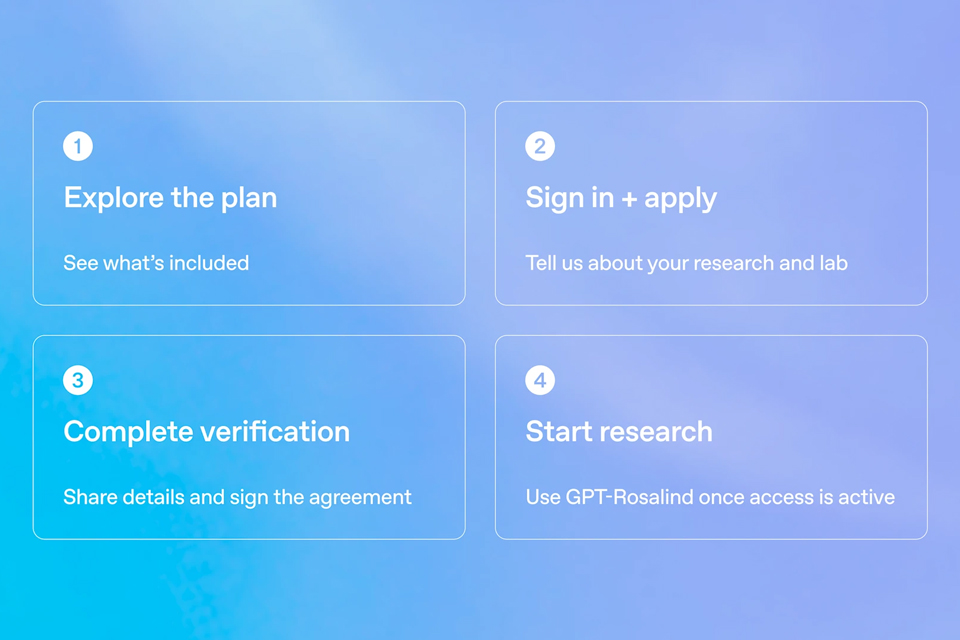
On October 15, OpenAI announced the Rosalind Academic Plan, giving approved US university labs free access to…
A Qiita article compared automated red-teaming methods for LLM apps — GCG, PAIR, and TAP — using mock implemen…

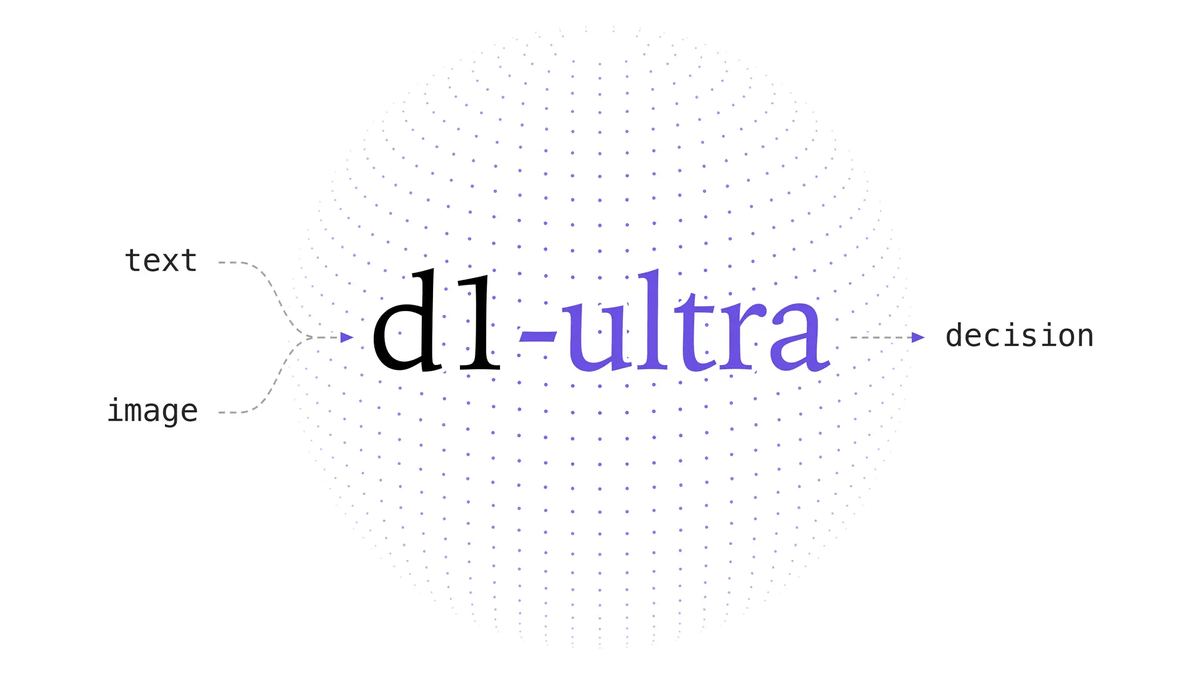
Liquid AI released d1-ultra on October 15, 2026, an upgraded open-weights decision model that averaged 76.7 ac…
Circlia started a proof-of-concept for TASTE SIGNAL: visitors to Holland Village Cafe FUKUOKA taste cookies an…

In a webinar hosted by French Mathematical Society president Isabelle Gallagher, Fields Medal winner Hugo Dumi…

