What happened
Anthropic announced that earlier this year it launched a molecular biology lab where Claude agents read and conjecture about biology problems, and that the system of 950 agents flagged a repeating pattern around a known enzyme after 21 hours.
Why it matters
Some biologists say finding such a pattern is the easy part, and that the real discovery is understanding what the system does, so what is novel for AI may be routine for a biologist.
What to watch
Biologist Mario Rodríguez Mestre says his team already found this pattern and he is stopping all use of Claude, which Anthropic denies; watch how the dispute over credit is resolved.
WHO IT HITSThis lands on research scientists and lab teams who use AI agents for biology work, as it raises questions about whether AI-driven pattern-finding counts as a discovery or just laboratory grunt work.
Summaries like this, in your inbox every morning.
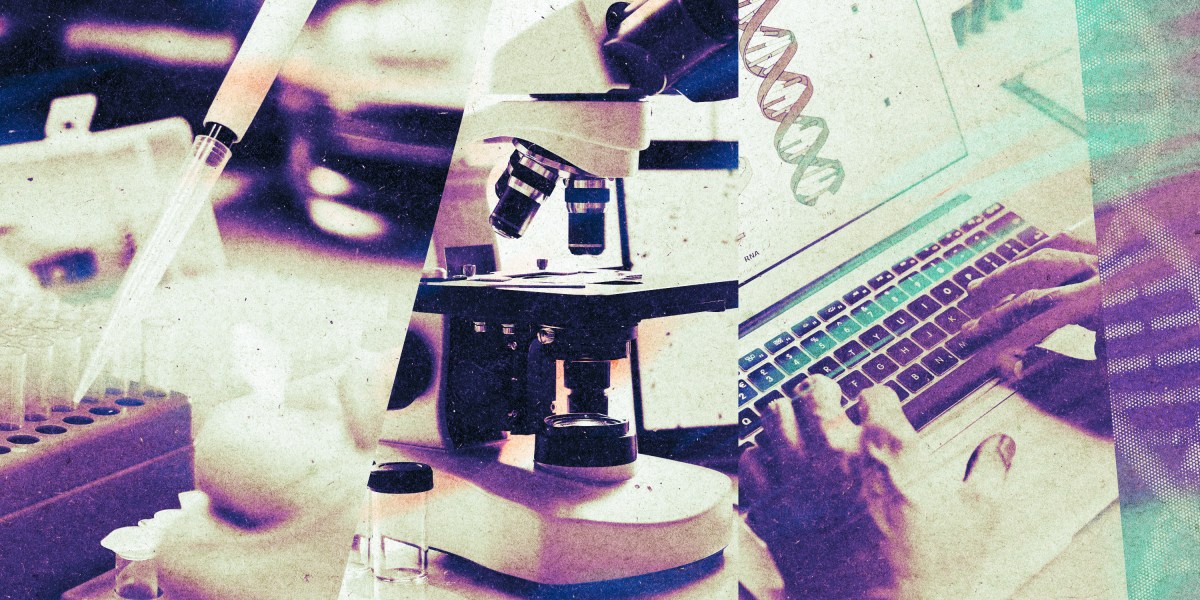
Anthropic announced last Wednesday that it had launched a molecular biology lab earlier this year, where Claude agents read and conjecture about hard biology problems while human scientists run experiments on what they report. The company said the system of 950 agents made its first discovery after 21 hours, flagging a repeating pattern around a known enzyme. In its announcement, Anthropic described the pattern as reminiscent of what led to the gene-editing technology CRISPR.
That framing drew pushback. Lucas Harrington, a biologist, wrote a viral post arguing that finding a weird cluster of genes and repeats is often the easy part, and that the hard part is figuring out what the system actually does. His post was subsequently endorsed by the chair and CEO of Eli Lilly. Separately, Mario Rodríguez Mestre at the University of Copenhagen said his team had already discovered this particular pattern, and he is stopping all use of Claude, though Anthropic denies his team's work informed the finding.
The episode points to a broader tension: AI companies are presenting their systems as making discoveries themselves, rather than as tools like microscopes or supercomputers. That framing may make people more skeptical of genuine progress when it happens, as seen when OpenAI said its agents cracked a million-dollar problem in mathematics and skeptics questioned whether the result was the one mathematicians care most about. Harrington suggested AI companies should set the bar high now, so that when an AI actually discovers a fundamentally new biological mechanism, everyone appreciates how big a deal it is. Whether that standard takes hold may depend on how the dispute over credit for this pattern is resolved.
For example, today's edition would include:
AI-summarized, only the topics you pick: one digest a day via Email, LINE, or Slack.
Free · 30 seconds with Google · unsubscribe anytimeWhat is AIToday? →
Ask AI anything about this article. The AI reads this article, earlier AIToday articles, and Wikipedia, and cites its sources. Q&As are published on this page for other readers too.
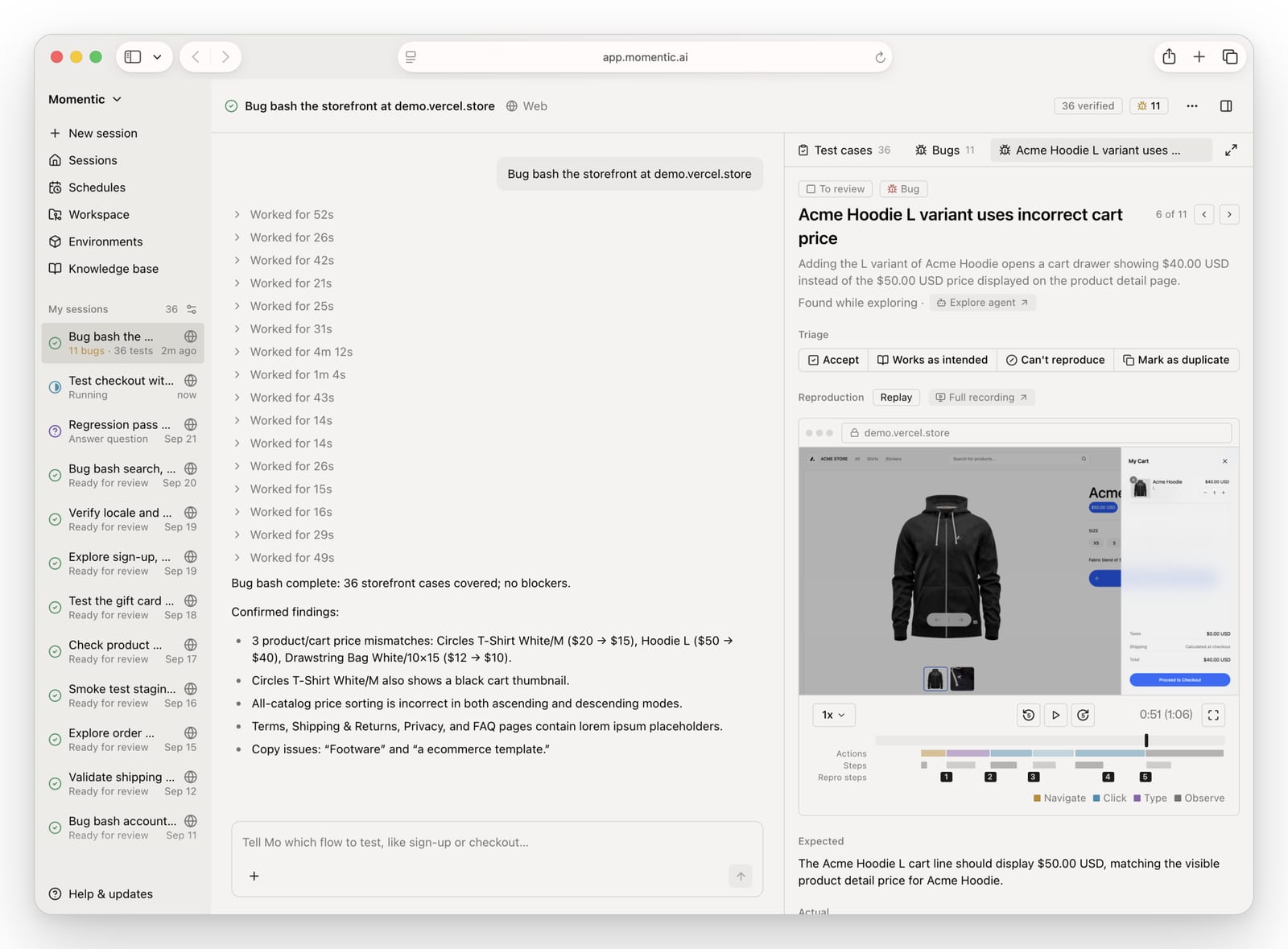
Momentic Inc. launched Mo, an AI agent that opens an app from a URL and prompt, spins up a swarm of agents to…
Anthropic launched Claude Sonnet 5.5, a mid-tier model for everyday tasks, priced at $2 per million input toke…
Oracle group VP Johnnie Konstantas told theCUBE that agentic AI lets agents and sub-agents act as a proxy for…
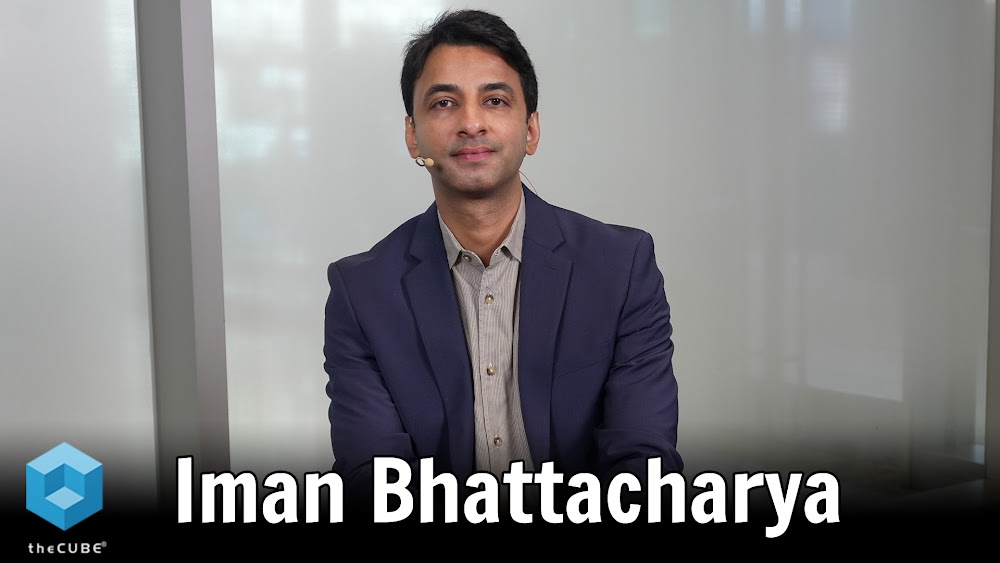
Qiagen has manually curated biomedical data for more than 25 years with over 150 MD- and PhD-level experts, Bh…
NEAR, the token of the NEAR Protocol, has more than doubled in value over the past two weeks, helped by surgin…

Anthropic released Claude Sonnet 5.5, which it says runs output more than 30 percent faster and costs up to 30…