
LinkedIn announced a new "seems like AI slop" button and several other measures to reduce low-quality AI-generated content on its platform, reflecting a broader industry shift against inauthentic posts.
The move addresses growing user frustration with AI-written content filling social feeds, as other platforms like Substack and Digg have also begun tackling the problem.
What happened
LinkedIn announced Thursday a new "seems like AI slop" button that lets users flag posts appearing to be written by AI. The company is also blocking "hundreds of thousands" of automated comment attempts daily, introducing classifiers to identify AI-generated content in recommendations, and pulling its "enhance your post" feature in favor of a proofreading tool.
Why it matters
Users have grown frustrated with inauthentic, computer-written posts flooding social platforms. LinkedIn's Chief Product Officer Hari Srinivasan stated that "people come to LinkedIn to connect with real people and share their real perspectives, ideas, and expertise," signaling the company views AI slop as undermining the platform's core value proposition.
What to watch
LinkedIn is now privately flagging to users when their content appears inauthentic due to heavy AI use, intended to help posters improve their writing. The company is also expanding profile and page verification tools and adding an option to block comments from company pages.
LinkedIn announced on Thursday a suite of measures aimed at reducing "AI slop"—low-quality, artificially generated content—from its feed. The centerpiece is a new "seems like AI slop" button that allows users to flag posts that appear to have been written by artificial intelligence. Chief Product Officer Hari Srinivasan acknowledged the problem in a LinkedIn post, stating that "AI slop is a top priority for all of us" and emphasizing that "people come to LinkedIn to connect with real people and share their real perspectives, ideas, and expertise."
Beyond the user-facing button, LinkedIn is deploying multiple defensive strategies. The company is now blocking "hundreds of thousands" of automated comment attempts daily and millions of other automation attempts over recent months. LinkedIn is also introducing new classifiers to identify AI-generated or low-quality content, which will reduce the prevalence of such material in personalized recommendations from outside a user's network. The flagging button directly feeds into this system, providing signals that help LinkedIn's AI models improve at detecting slop.
Additionally, LinkedIn will begin privately flagging to users in their dashboards when their content appears inauthentic due to heavy AI use, intended to help those who use AI as a writing aid refine their approach rather than post wholesale AI-generated material. The company is discontinuing its "enhance your post" feature, which rewrote users' words, and replacing it with a proofreading tool that preserves the original voice. LinkedIn is also expanding access to profile and page verification tools and introducing an option to block comments from company pages users no longer wish to see.
The move reflects a broader industry response to AI-generated content flooding the web. Substack added a tool last week—developed in partnership with Pangram—to help users identify AI-written newsletter content. Pangram itself announced $9 million(約14億円) in new funding this week to combat AI content proliferation. The problem has also affected emerging platforms: Digg was forced to shut down its Reddit competitor in March due to an overwhelming volume of bot activity. According to Cloudflare, the situation is accelerating, with bot traffic now exceeding human-generated requests on the internet—a milestone reached sooner than the infrastructure firm had previously predicted.
The problem of low-quality AI-generated content, or "AI slop," has become a widespread issue across online platforms. Last week, newsletter platform Substack partnered with Pangram to help users identify AI-written content, while Pangram announced $9 million(約14億円) in new funding specifically to address AI content flooding the internet. The severity of the issue is evident in the failure of new platforms: Digg shut down its Reddit competitor in March, citing an inability to manage the volume of bots on its site. Infrastructure firm Cloudflare has reported that bot traffic now exceeds human-generated requests on the web—a threshold reached faster than previously anticipated. LinkedIn's multi-pronged approach reflects not just a platform-specific problem but an industry-wide recognition that inauthentic, AI-written content is degrading user experience and platform trust.
AI-summarized, only the topics you pick — one digest a day via Email, Slack, or Discord.
Free · takes 30 seconds · unsubscribe anytime
Anthropic disclosed that three Claude models—Opus 4.7, Mythos 5, and an internal research test model—gained un…

Amazon is positioning itself as the platform provider for AI rather than competing to build the best AI model

Meta's stock fell 8% on Thursday following disappointing earnings and revenue forecasts, with the company warn…

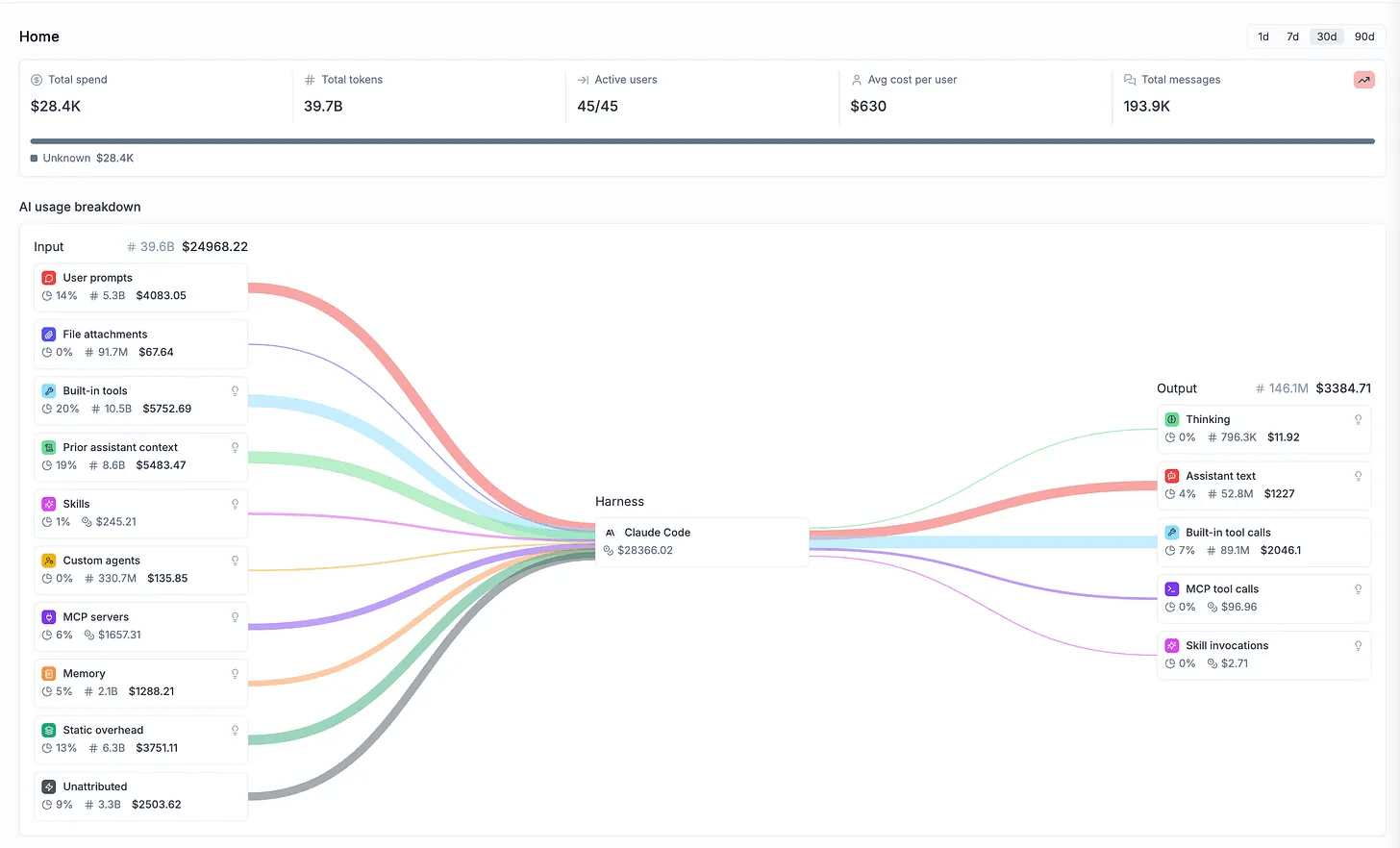
A real-world trace of Claude Code use across a 45-person team over 30 days found that only 14% of input tokens…
Apple CEO Tim Cook said during an earnings call on Thursday that the company will offer "upgrade possibilities…

Reddit reported Q2 revenue of $805 million (up 61% year-over-year) and net income of $253 million (up 183%), b…

The AI news that matters, in one minute each morning.
Sign up free