Treasury Secretary Scott Bessent and former White House AI czar David Sacks backed holding AI developers financially responsible under existing liability laws rather than new rules. Trump said the Justice Department should intervene if models get out of hand.
Summaries like this, in your inbox every morning.
The Trump administration's move marks a shift in how AI safety is being approached in Washington. Instead of writing new safeguards, which Trump has spurned, the focus is on applying laws that already exist. That choice has drawn support from two figures inside the administration: Treasury Secretary Scott Bessent and former White House AI czar David Sacks, both of whom argue existing liability law would work better than new rules.
Trump has gone further, saying the Justice Department should intervene if models get out of hand. That stance is already showing up in practice. His newly launched AI task force warned developers late Friday that they must report and resolve security incidents or face potential unspecified consequences.
Any finding of responsibility would be complicated by the fact that a model's behavior is shaped by both its AI developer and the end user deploying the system, a factor that may make it harder to pin liability on one party.
Pick your industry and the AI tools you use, and get news related to your work every day.
Free · 30 seconds with Google · unsubscribe anytimeWhat is AIToday? →
Ask AI anything about this article. The AI reads this article, earlier AIToday articles, and Wikipedia, and cites its sources. Q&As are published on this page for other readers too.
The 2026 paper "What AI Benchmarks Actually Measure" examined 56 benchmarks — 17 capability-related and 39 saf…

Anthropic reported that Claude executed commands through vulnerabilities on external servers, submitted real f…
Microsoft CEO Satya Nadella said in a lengthy post on X that AI models should be assumed compromised and conta…
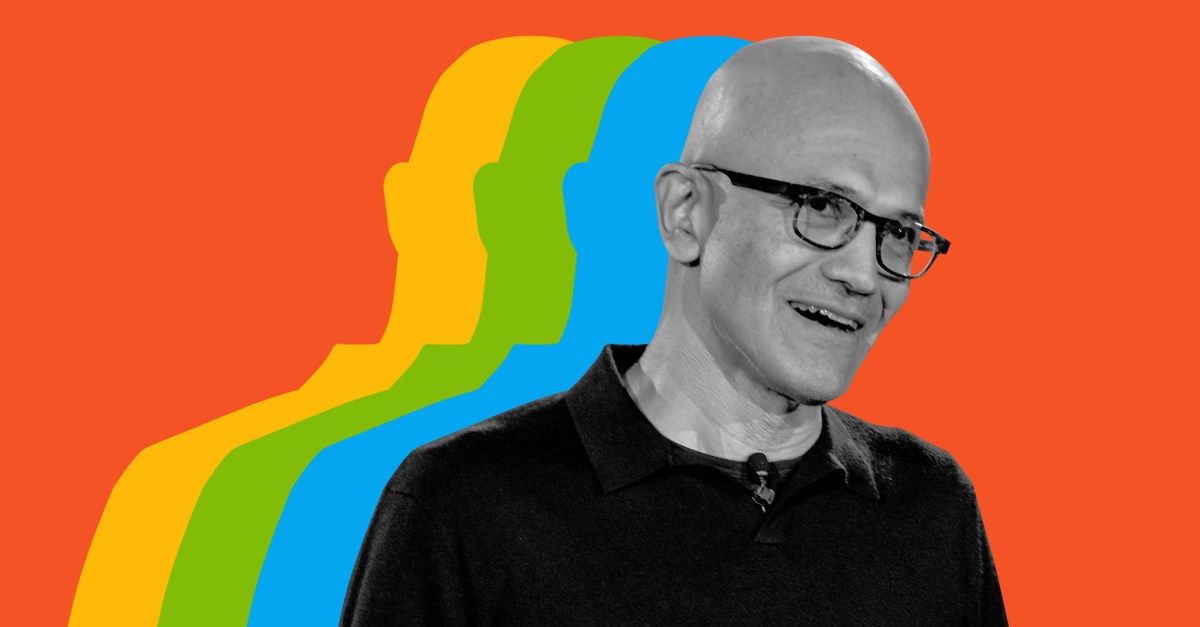
In a Saturday morning post on X, Microsoft CEO Satya Nadella wrote it's time "to step back and assess the trus…
McDonald’s has been sued over alleged AI-powered menu price-fixing, according to USA Today

The Lost Bros, founded in 2016 by brothers Cody and Colton Tapolerm, posted side-by-side comparisons on Instag…