
The International Federation of Robotics projects 575,000 industrial robot installations globally in 2025, the highest annual total on record. The automotive sector operates the densest robot fleet of any manufacturing industry.
Industrial robots generate different vibration signatures depending on pose, payload, and speed — unlike static equipment with consistent signatures. Traditional threshold-based monitoring produces false alarms and misses real wear. AI condition monitoring instead learns what normal behavior looks like for each robot on each specific job by reading controller data (force, speed, position) continuously, comparing today's behavior against that robot's own history rather than a preset threshold.
Most automotive plants have not yet connected the robot controller data already being generated on the shop floor to a system that can read it. Once that data architecture is in place, plants typically find robots that have been logging anomalies for months with no one watching, maintenance intervals that could be extended, and high-risk assets needing attention.
Ask the AI about this article →
For example, today's edition would include:
AI-summarized, only the topics you pick — one digest a day via Email, Slack, or Discord.
Free · takes 30 seconds · unsubscribe anytimeWhat is AIToday? →
Ask AI anything about this article. Q&As are published on this page for other readers too.
Geek+ reported interim results for the six months ended 30 June 2026

GE Aerospace's Lynn, Massachusetts facility is integrating robots and AI into its manufacturing operations, re…

Suntory Logistics and Toyota Industries announced on September 1 that they will begin a demonstration test in…
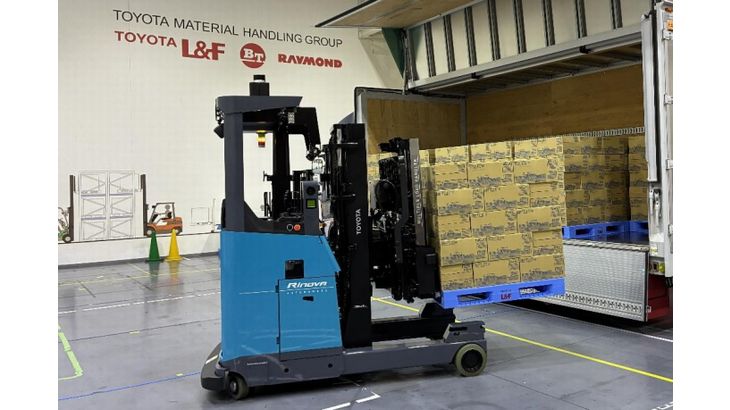
AWS Japan held a成果発表会 on August 31, 2026, where 13 projects from 14 companies presented results from its physi…

Google DeepMind unveiled Gemini Robotics 2, the latest vision-language-action (VLA) model, with whole-body con…
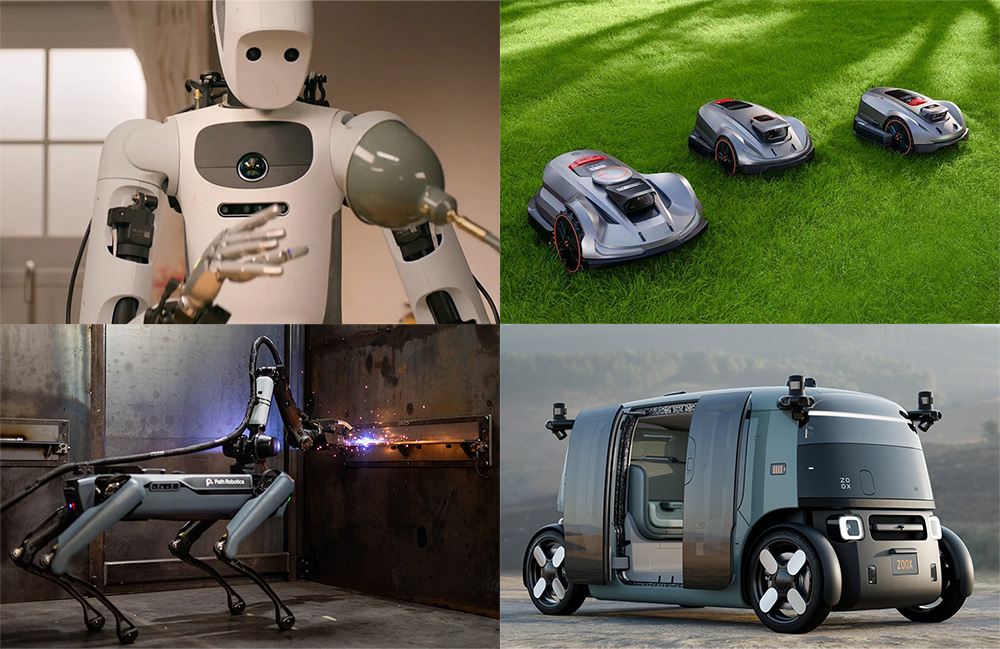
At RoboBusiness 2026, held Oct