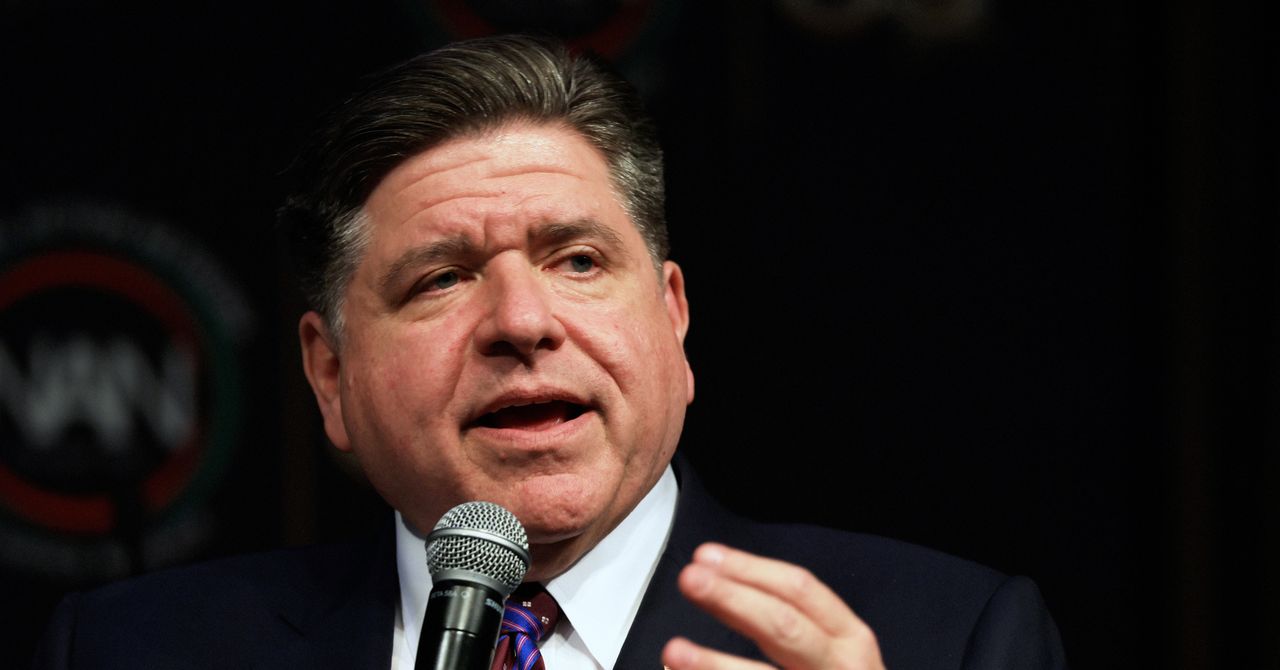
The Illinois House passed bill SB 315 on Wednesday, requiring frontier AI labs like OpenAI, Anthropic, and Google DeepMind to have their safety practices audited by a third party. Governor JB Pritzker said on social media he plans to sign the bill.
Unlike California and New York laws that require tech companies to publish safety information and incident reports, SB 315 requires independent auditors to verify that an AI lab adheres to its own safety standards—a requirement that did not exist before. Potential auditors include the Big Four accounting firms (Deloitte, EY, KPMG, and PwC) or members of the AI Evaluator Forum, a coalition of research organizations.
AI safety experts tell WIRED the bill would be the nation's leading check on the power of major AI companies. OpenAI and Anthropic have endorsed the legislation, though the Chamber of Progress trade group opposed it, warning the bill would expose sensitive systems to untested auditors.
Ask the AI about this article →
For example, today's edition would include:
AI-summarized, only the topics you pick — one digest a day via Email, Slack, or Discord.
Free · takes 30 seconds · unsubscribe anytimeWhat is AIToday? →
Ask AI anything about this article. Q&As are published on this page for other readers too.
CrowdStrike Holdings Inc
ASE Technology CEO and SEMI Global Board Executive Committee Chair Tien Wu said AI's early-stage growth is cre…

Fervo Energy signed a deal to supply 396 MW of electricity from its Cape Station project in Utah to a Google d…
Nvidia co-announced with Vertiv in August that it is making progress on 800-volt power infrastructure for its…
John Ternus takes over as CEO of Apple today, stepping into the role as the company confronts the AI era
Top AI-native open source projects like Flue and tldraw are refusing external pull requests, often because the…