Power grid infrastructure has become a critical bottleneck for global growth as AI data centers, electric vehicles, and electrification drive energy demand higher.
Three stocks — Bloom Energy (US$2.4b revenue), American Superconductor (US$299.2m revenue), and Vertiv Holdings (US$7.0b revenue) — are positioned to benefit from the AI infrastructure buildout through major contracts with hyperscalers, expanded backlogs, and partnerships with industry leaders like Nvidia.
However, each company carries distinct risks: Bloom Energy faces slim margins and short seller scrutiny, American Superconductor's analysts model earnings shrinkage and margin compression, and Vertiv faces valuation concerns and customer concentration.
What happened
Three power infrastructure stocks — Bloom Energy, American Superconductor, and Vertiv Holdings — are highlighted as beneficiaries of AI data center buildout. Bloom Energy generates about US$2.4b in revenue and has signed large AI infrastructure deals backed by a Brookfield financing facility expanded to US$25b. American Superconductor operates a roughly US$280m backlog and reported Q4 orders near US$100m. Vertiv generates about US$7.0b in revenue and supplies power, cooling, and thermal management systems with a roughly US$15b backlog.
Why it matters
The power grid is becoming a critical bottleneck as AI data centers, electric vehicles, and electrification push energy demand higher while traditional infrastructure struggles to keep pace. Companies positioned at the intersection of AI infrastructure and grid modernization stand to capture significant contracts from hyperscalers such as Oracle and Nebius, making power and cooling specialists essential to the buildout.
What to watch
Bloom Energy forecasts revenue growth of 32.6% a year and earnings grew 34.6% over the past year, but the company faces risks from slim net margins, reliance on external borrowings, and short seller scrutiny. Vertiv partners closely with Nvidia on next-generation power and cooling architectures and is expanding capacity in regions like Malaysia, though investors should weigh customer concentration among a handful of large tech companies and rising competition.
Ask the AI about this article →
Summaries like this, in your inbox every morning.
The article positions power grid infrastructure as an underappreciated constraint on AI growth. As data centers, electric vehicles, and broader electrification initiatives accelerate, the demand for reliable, high-density power and cooling systems has outpaced traditional grid capacity. This structural shift creates an opportunity for specialized equipment suppliers, particularly those already integrated with hyperscale cloud operators who are driving the AI infrastructure buildout.
Bloom Energy, American Superconductor, and Vertiv each occupy distinct niches within this opportunity. Bloom Energy operates at the intersection of on-site power generation and hydrogen production, critical for data centers seeking independence from grid constraints. American Superconductor focuses on grid stabilization and resiliency, directly supporting the massive load from data center clusters. Vertiv provides the thermal management and power delivery systems embedded within data centers themselves, making it a direct beneficiary of every hyperscaler's expansion.
However, the article emphasizes that strong growth narratives often mask execution and financial risks. Bloom Energy's slim margins and dependence on external financing, American Superconductor's forecast earnings compression despite current profitability, and Vertiv's concentration among a handful of large tech customers all suggest that current valuations may not fully discount these vulnerabilities. The article cautions investors to examine analyst forecasts and balance sheet strength alongside the compelling headline stories of AI-driven demand.
For example, today's edition would include:
AI-summarized, only the topics you pick — one digest a day via Email, Slack, or Discord.
Free · 30 seconds with Google · unsubscribe anytimeWhat is AIToday? →
Ask AI anything about this article. Q&As are published on this page for other readers too.
Tesla Japan will show the Cybercab, its dedicated Robotaxi vehicle, in Japan for the first time

Palantir Technologies Inc
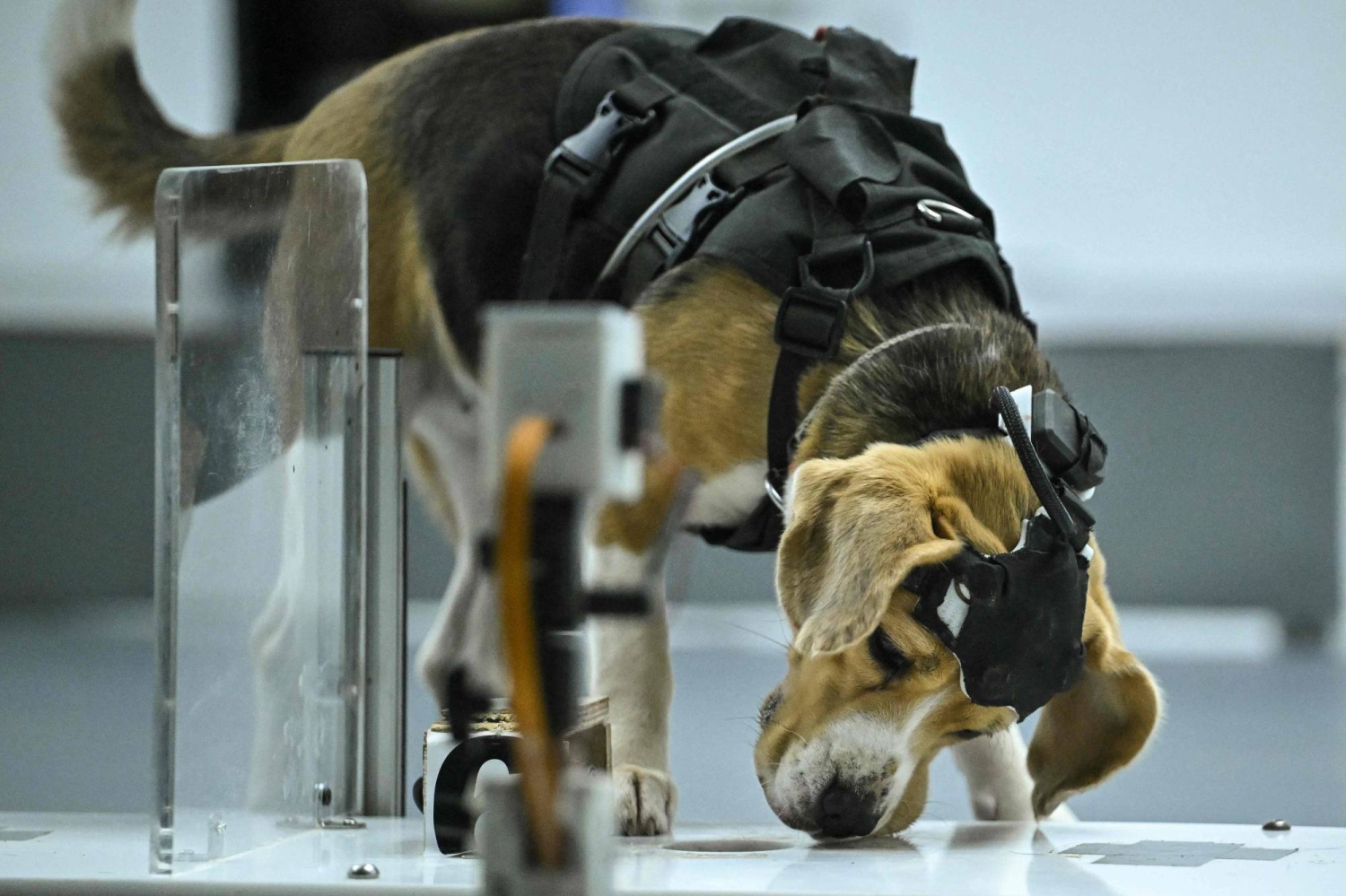
Researchers in Bengaluru, India, are using AI to train rescue dogs like Chloe to sniff human breath for cancer…
JM-Applied, a Taiwanese semiconductor gas equipment maker and supply chain member for Micron and TSMC, said on…
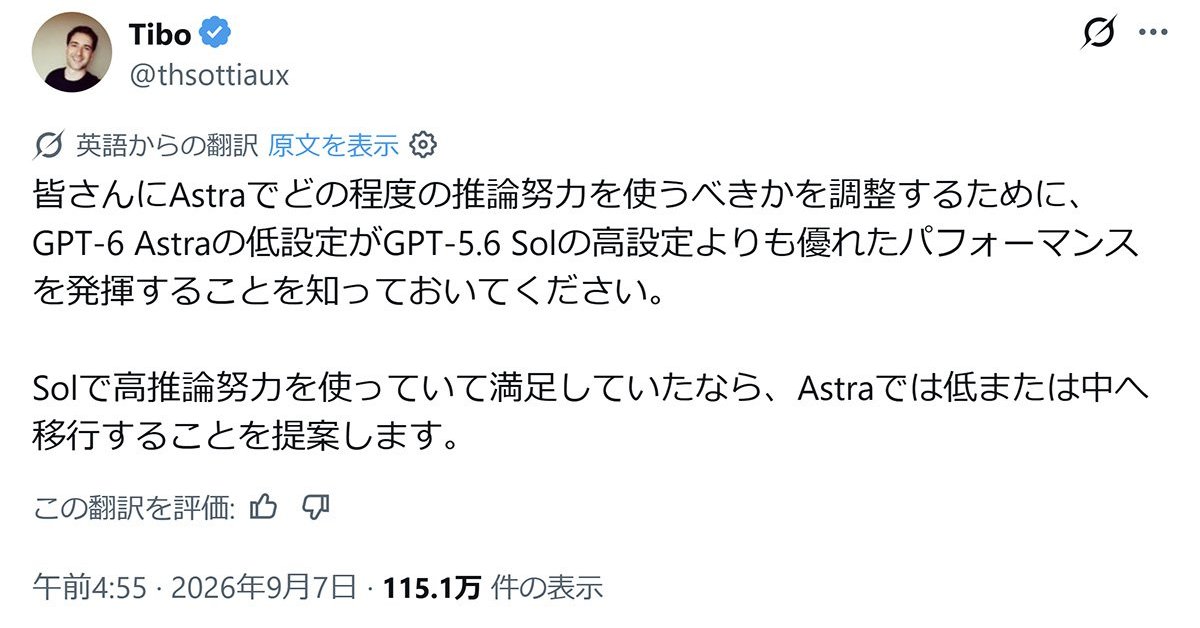
OpenAI's product lead Tibo Sotiou posted on X on September 6 that GPT-6 Astra's 'low' setting outperforms GPT-…
Nvidia disclosed roughly $99 billion of public and private equity investments as of July 26, plus about $25 bi…