
What happened
Victoria Song reviewed the $350 Ray-Ban Meta Audio glasses, which lack a camera and ship with the Muse Spark model. She found the audio-only design made her feel less like a creep, with battery life lasting two full workdays and a comfortable 43 to 47g fit.
Why it matters
Removing the camera eased the unease people feel about being recorded by smart glasses, and the headphones were the most useful part for a casual user. Muse Spark handled only light tasks, she found, with no release date for Muse.
Summaries like this, in your inbox every morning.
The audio-only Ray-Bans are not a new concept: Victoria Song notes she wore the Bose Frames seven years ago, which also combined Bluetooth audio with stylish sunglasses. What makes this pair notable, she writes, is that it is 2026, they are made by Meta, and there has been vigorous discourse about whether smart glasses are a form of spyware. During setup, she found privacy and data opt-out disclosures far more prominent than in previous Meta glasses, including a screen explaining how visual data from AI experiences is handled. This does not address the unease that someone else is recording you, she argues; removing the camera gets closer to doing so. She is careful not to declare the privacy problem solved, noting that it is not clear Meta will not add more ambient listening features down the line, and that the lack of a camera is only a comfort for now. For people who find cameras genuinely useful for candid home videos, content creation, accessibility, or multimodal AI, she writes, this type of smart glasses is not a real option. She also flags that for hard-of-hearing users the FDA-cleared hearing assistance feature is not available yet, and for deaf users the Meta Ray-Ban Display may be more useful because they support live captioning. On price, she argues the $350 feels off when the Meta Glasses start at $250 and technically do more, and when the hearing assistance features and Muse are not yet included.
Pick your industry and the AI tools you use, and get news related to your work every day.
Free · 30 seconds with Google · unsubscribe anytimeWhat is AIToday? →
Ask AI anything about this article. The AI reads this article, earlier AIToday articles, and Wikipedia, and cites its sources. Q&As are published on this page for other readers too.
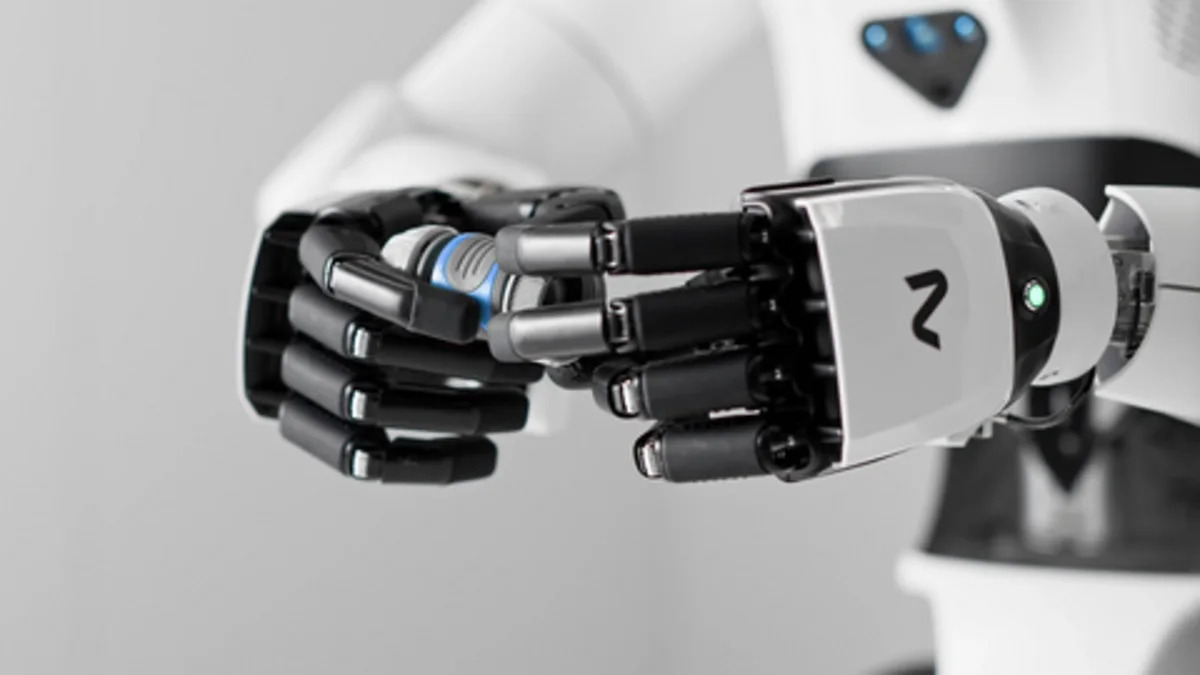
NEURA Robotics introduced Neuron AI, a multimodal foundation model combining 3D vision, touch, audio, robot st…
Google released Gemini 4 Argon globally for coding, knowledge work, enterprise workflows and cyber defense, wi…

Google started rolling out Gemini 4 Argon worldwide via AI Studio and the Gemini API, and to Google AI Ultra u…

Anthropic said its Japan staff grew from 3 to over 50 in a year, customer adoption rose 10-fold, and Claude us…

On October 12, 2026, Character.ai announced it began bankruptcy proceedings to sell certain assets to a Walt D…

Snowflake said Gemini 4 Argon is now in Public Preview natively within Snowflake Cortex AI, available at launc…