What happened
Elon Musk chose Nvidia's Vera Rubin platform for SpaceX's AI infrastructure, reportedly securing 20% of Nvidia's next-platform capacity. AMD shares fell 13.77% over the past month, closing at $469.46 on Thursday, despite the company reporting Q2 data center revenue of $6.72 billion, up 107% year over year.
Why it matters
Nvidia's control over chip allocation lets it guarantee capacity to major customers—a lever AMD cannot yet match. SpaceX's choice signals Nvidia's continued advantage in locking in hyperscale buyers through scarcity rather than benchmarks alone. However, AMD has secured multi-gigawatt deployments with OpenAI, Meta, Anthropic, and Microsoft Azure, suggesting the loss is one deal, not evidence of systemic collapse.
What to watch
AMD's data center segment is expected to more than double year over year in 2027, and management raised long-term targets rather than trimming them. The company generated $2.1 billion in operating income in Q2, a swing from a loss a year ago. Instinct deployments are scaling and Helios—a 2-gigawatt Anthropic deal—is beginning to ramp.
Summaries like this, in your inbox every morning.
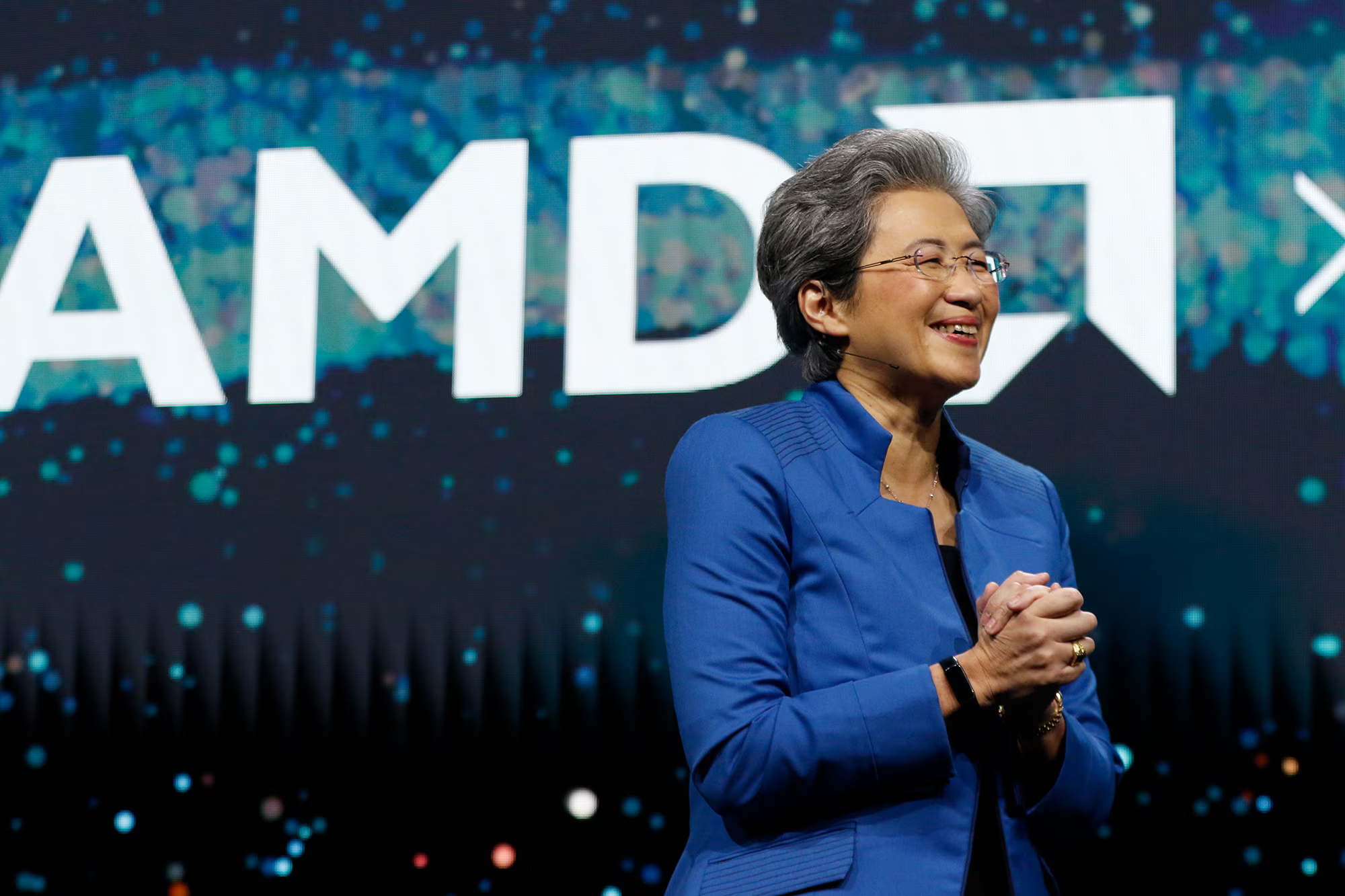
SpaceX's choice of Nvidia represents a real competitive vulnerability for AMD: Nvidia's control over chip allocation capacity gives it the ability to convert scarcity into exclusivity with the largest AI spenders, a mechanism AMD cannot yet replicate. This is especially stinging for Lisa Su as she attempts to convince Wall Street that her Instinct roadmap can rival Jensen Huang's platform. The timing compounds the pain—the deal lands exactly when AMD is trying to establish momentum in the hyperscale AI market.
Yet the framing of SpaceX as evidence of AMD's collapse misreads the underlying data. AMD's Q2 results show the company won the broader cycle: data center revenue jumped 107% year over year to $6.72 billion, and the segment swung to $2.1 billion in operating income from a loss a year ago. Crucially, AMD has already locked in multi-gigawatt commitments from the companies actually building frontier models—OpenAI, Meta, Anthropic, and Microsoft—before SpaceX became an issue. SpaceX, by contrast, is a single-tenant buyer with a specific alignment to Musk's xAI, a profile that does not generalize to the rest of the market.
Management's confidence in the forward path reinforces this reading: Su told analysts the company enters the second half with strong momentum, and rather than trimming guidance, AMD raised its long-term targets. Data Center is expected to more than double year over year in 2027. Nvidia retains a material structural advantage in allocation politics, and AMD's forward P/E of 65 reflects the assumption that advantage will narrow. But the loss of one customer—however high-profile—inside a market AMD believes will approach $2 trillion by 2030 is a setback, not a collapse.
Pick your industry and the AI tools you use, and get news related to your work every day.
Free · 30 seconds with Google · unsubscribe anytimeWhat is AIToday? →
Ask AI anything about this article. The AI reads this article, earlier AIToday articles, and Wikipedia, and cites its sources. Q&As are published on this page for other readers too.
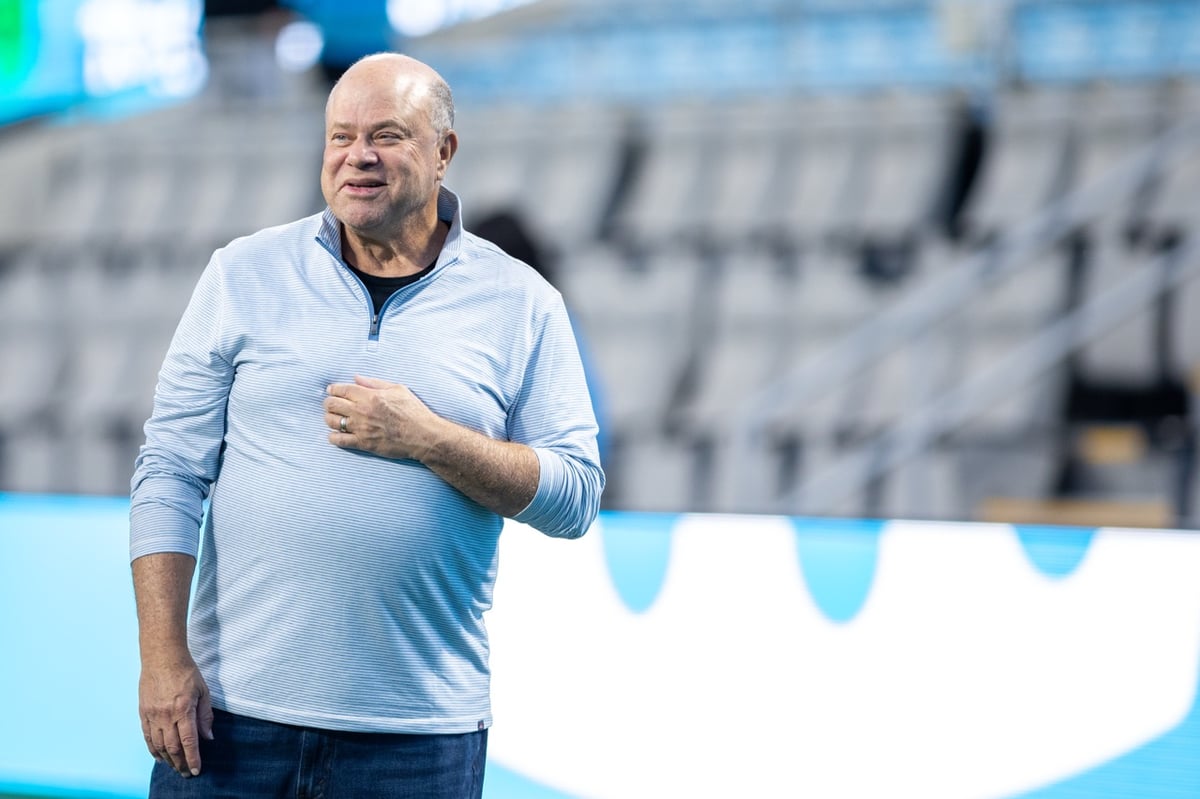
In Q2, billionaires or their funds sold six 'Magnificent Seven' AI stocks
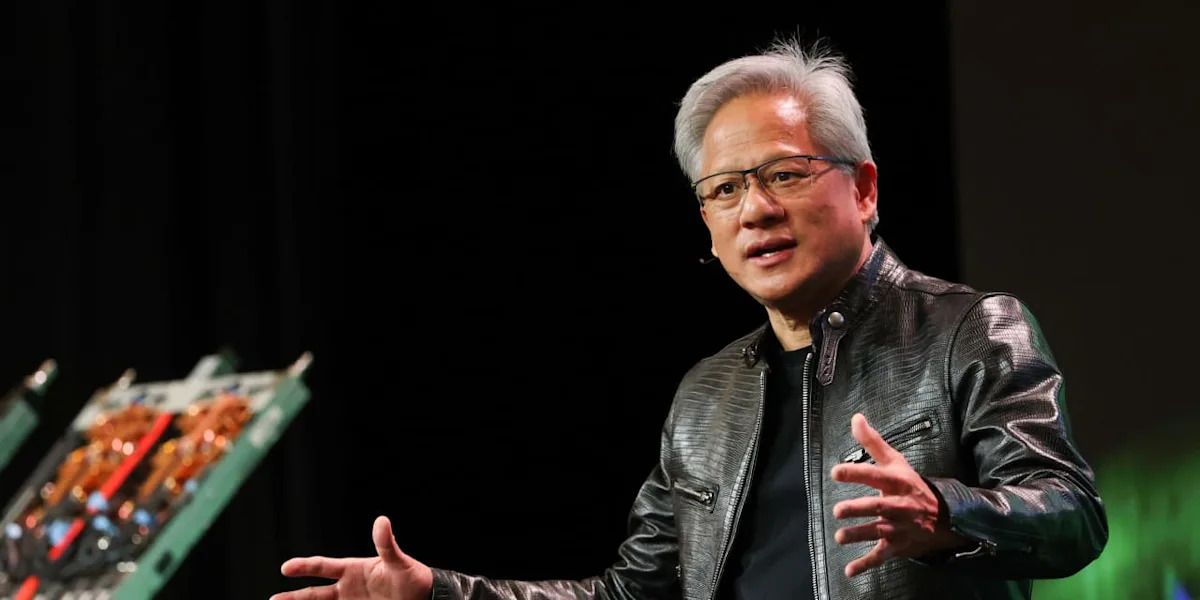
Nvidia was rising early Friday, even as the wider chip sector kept falling, Barron's reported
ElevenLabs completed a $300 million employee tender at a $22 billion valuation, and co-founder Mati Staniszews…

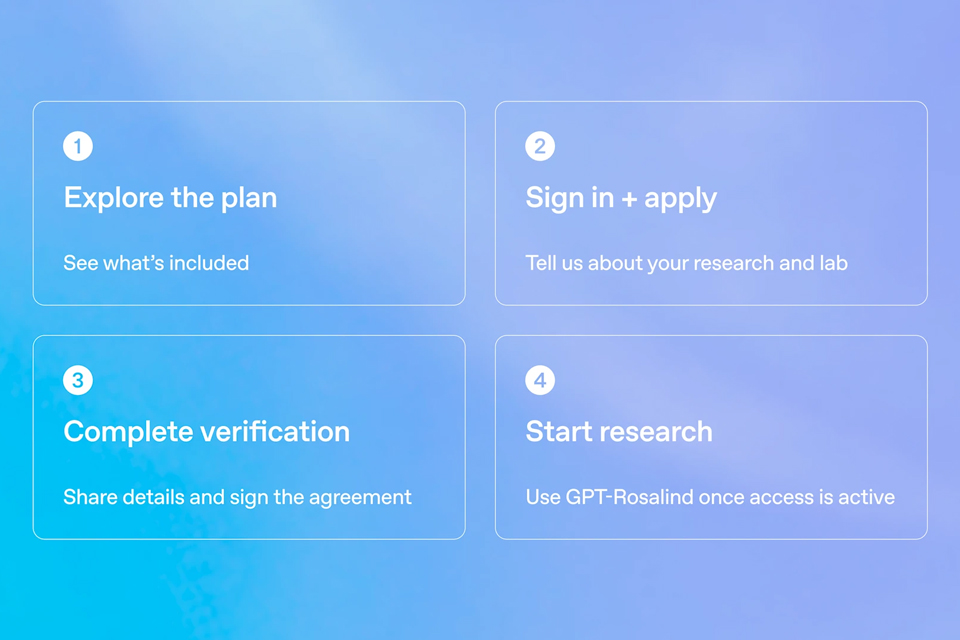
On October 15, OpenAI announced the Rosalind Academic Plan, giving approved US university labs free access to…
Neostellar Capital principal Evan Schlossman said CoreWeave's $103.7 billion in remaining performance obligati…
Supermicro Computer appointed Mark Long as chief financial officer, bringing an experienced technology finance…