What happened
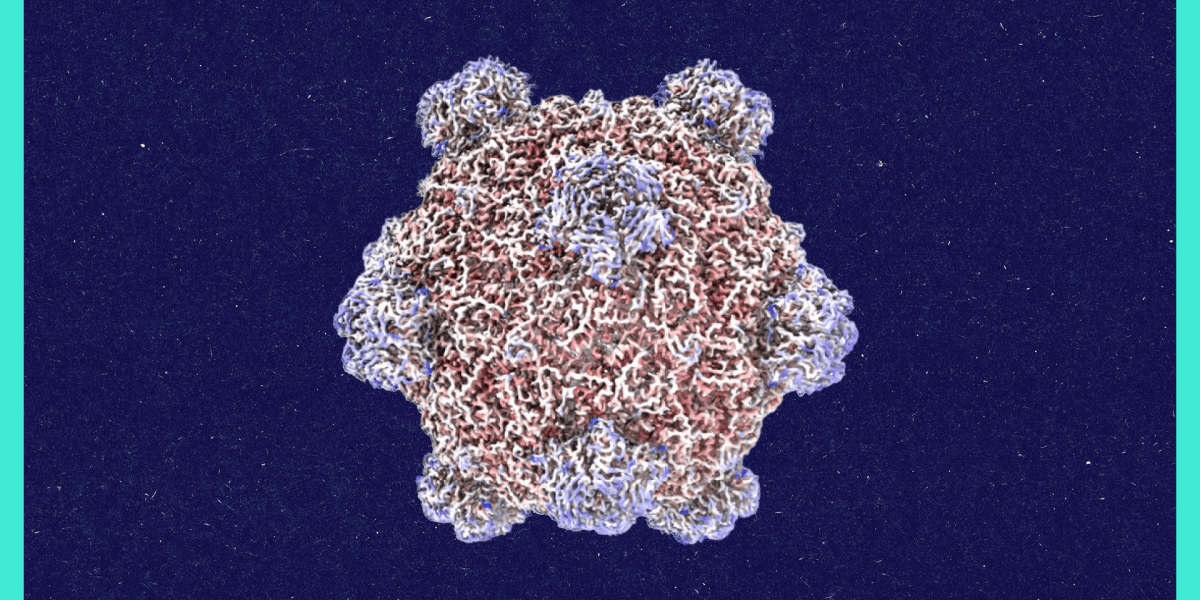
In 2025, Stanford University PhD student Samuel King used a generative AI model to propose genetic blueprints for microscopic viruses, work MIT Technology Review is highlighting in a subscriber-only talk.
Why it matters
The work is not yet an example of life created by a machine, but the body says that could be next.
What to watch
The subscriber-only conversation with King goes live on October 16th at 18:30 BST / 1:30pm EDT / 10:30am PDT.
WHO IT HITSResearchers and students working on AI-driven biology will likely watch how King's approach to proposing genetic blueprints is received, since the body says the work is not yet an example of life created by a machine, though that could be next.
Summaries like this, in your inbox every morning.
MIT Technology Review is tying its subscriber programming to its Innovators Under 35 list, which gives the event a news peg beyond the research itself. The body frames King's 2025 work as a preliminary step rather than a finished breakthrough: it is not yet an example of AI-generated life, but that could be next, according to the article. That distinction may matter to readers trying to separate AI-designed biological components from fully synthetic organisms.
The conversation is presented as a way to hear King discuss both his work and new ways of seeing biology, alongside senior AI reporter James O'Donnell. The related stories listed in the body — a piece titled "He asked an AI to design viruses … and it worked" and one on AI-designed viruses already killing bacteria — suggest the event sits within a broader thread of coverage the publication has developed. Because the body does not detail the methods or results behind King's blueprints, the talk itself is where specifics are likely to emerge.
Pick your industry and the AI tools you use, and get news related to your work every day.
Free · 30 seconds with Google · unsubscribe anytimeWhat is AIToday? →
Ask AI anything about this article. The AI reads this article, earlier AIToday articles, and Wikipedia, and cites its sources. Q&As are published on this page for other readers too.
Danaher announced its first AI-powered autonomous lab, expected to be operational in early 2027 at Abcam's HQ…
BioInvestGPT's July simulation of Derdelsiran predicted no significant efficacy in late-stage trials; Novartis…
Natura announced Interface, a $99 smart ring that connects with agents including Meta's Muse, Claude and ChatG…

Biohub's Virtual Biology Initiative secured $1.8 billion in joint funding, with the Department of Energy commi…

Google, Meta, and other backers committed nearly US$2 billion to an international push to build shared dataset…

Tempus AI expanded its cancer therapy deal with Moderna and Merck, according to Seeking Alpha