What happened
At the Urban Land Institute's fall meeting, workplace chiefs from Microsoft, Amazon, Coca-Cola and Citadel said AI is driving offices toward open collaboration; Microsoft is using AI to render workspace designs, and Amazon's real estate team's AI use jumped from 7% in January to over 90%.
Why it matters
The shift away from isolated desks toward 'we spaces' means the office's purpose is changing — coming in is less about heads-down work and more about collaboration, the executives said.
WHO IT HITSCorporate real estate and facilities teams are being pushed to reconfigure floor plans and rethink how much space goes to individual desks versus shared collaboration areas, while workplace strategy groups may increasingly use AI tools to design and render proposed offices.
Summaries like this, every morning.
The panel remarks come as large employers are already making visible workforce moves that intersect with real estate decisions. Microsoft this week offered voluntary buyouts to about 60,000 employees, more than a quarter of its global workforce, on top of 4,800 layoffs announced in July. Amazon, for its part, announced last year it would cut 14,000 corporate positions and plans to cut as many as 30,000 more. Against that backdrop, the executives described AI as a tool that changes not just how many people come to the office but what they do when they are there.
For Amazon's real estate and facilities team, the shift has been rapid: AI usage jumped from roughly 7% in January to more than 90% this month, which Sean Lee said frees up bandwidth for higher-level thinking and more face time with clients. Citadel, meanwhile, has not cut jobs because of AI and is building two large office towers in Miami and New York, with Chief Workplace Officer Paul Darrah calling in-office culture a competitive advantage. Coca-Cola's Terri Lasoff framed the change as an extension of hybrid work: fewer 'me spaces,' more 'we spaces,' with AI potentially reinforcing that trend.
The common thread is that AI is being asked to take over routine production tasks — building decks, writing reports — so that office time can be used for collaboration and client work. Whether that dynamic spreads across the broader office market may depend on how quickly companies outside the tech and finance sectors adopt similar tools, a shift the executives suggested is still in its early stages.
Pick your industry and the AI tools you use, and get news related to your work every day.
Free · 30 seconds with Google · unsubscribe anytimeWhat is AIToday? →
Ask AI anything about this article. The AI reads this article, earlier AIToday articles, and Wikipedia, and cites its sources. Q&As are published on this page for other readers too.
Tesla rose 7.4% this week, according to MarketSurge, standing out as other Magnificent Seven AI stocks sold of…

Barron's reports that Wall Street analysts are divided over the AI power trade, setting up GE Vernova and Cate…

Anthropic's public filing showed little on forthcoming revenues after sales decelerated from the second to the…

The Financial Times reported Spotify aims to launch a paid AI remix and cover service in Q1 2027, possibly aro…

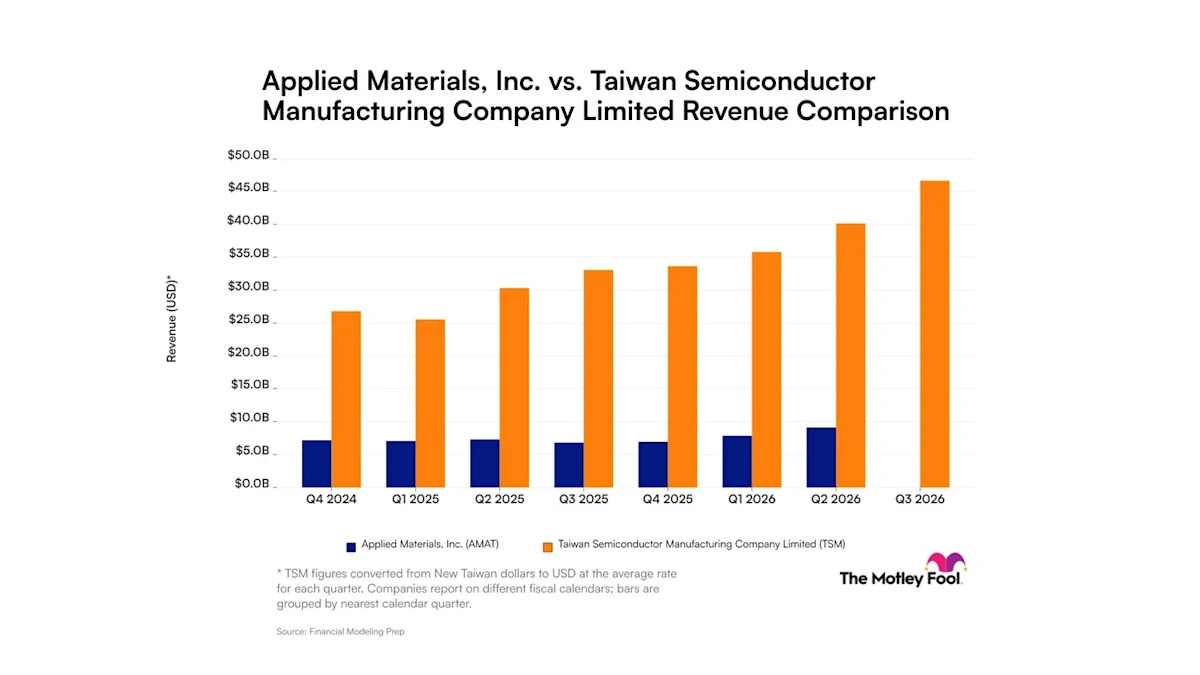
Applied Materials (NASDAQ:AMAT) shows a gradual revenue uptrend, while Taiwan Semiconductor Manufacturing (NYS…
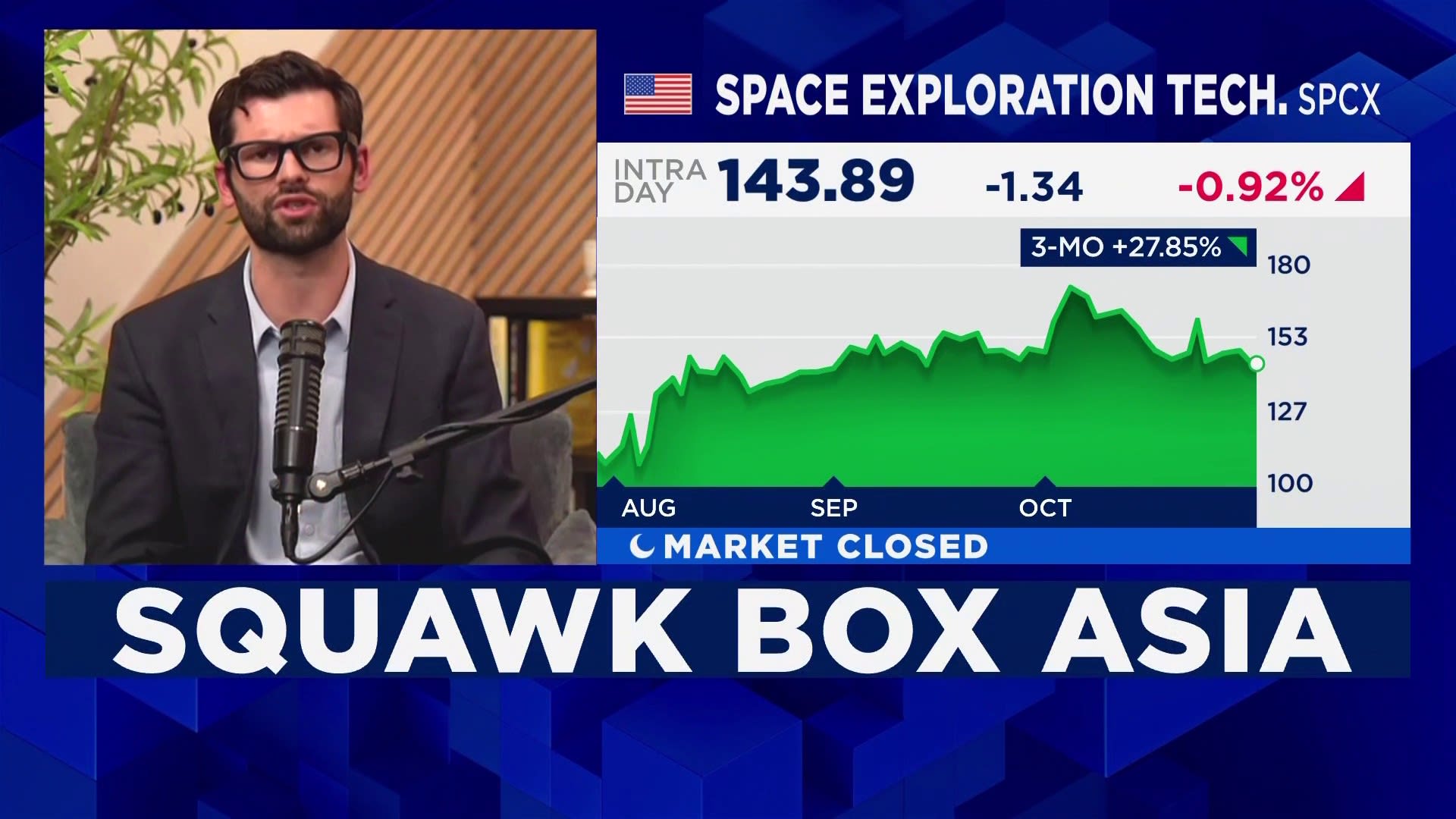
Ark Invest's Frank Downing said his conviction in SpaceX is growing despite its substantial AI capital require…