
Chinese officials and state media are recharacterizing US allegations against Moonshot AI's Kimi K3 as part of a broader American containment strategy, rather than as a dispute over intellectual property alone. This framing reflects how Beijing increasingly views Western regulatory pressure on Chinese AI companies as coordinated geopolitical action rather than independent legal or IP enforcement.
Summaries like this, in your inbox every morning.
Sign up free →What happened
Chinese officials, state-backed media, and policy commentators are characterizing Washington's allegations against Moonshot AI regarding its Kimi K3 product as part of a broader US effort to contain China, rather than as a straightforward intellectual property dispute.
Why it matters
The framing reflects how China interprets Western regulatory and legal pressure on its AI companies—not as isolated complaints but as part of a coordinated strategy to slow China's technological advancement. This shapes how Beijing responds to future allegations against Chinese AI firms.
What to watch
The interpretation signals potential escalation in US-China tech tensions, as the two countries diverge on whether scrutiny of AI products reflects legitimate IP concerns or geopolitical competition.
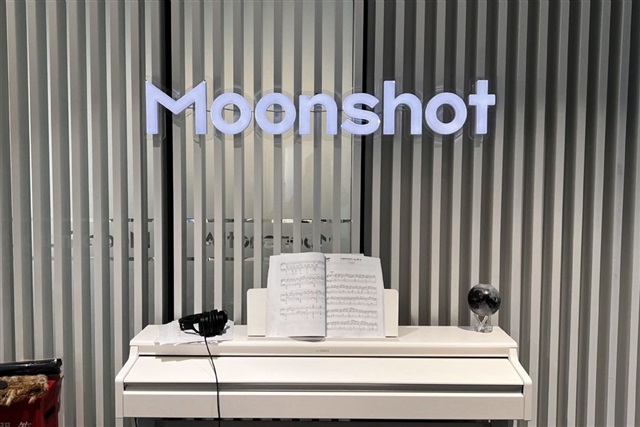
Moonshot AI, founded by Yang Zhilin, has come under scrutiny from Washington regarding its Kimi K3 product. Rather than treating these allegations as a discrete intellectual property dispute, Chinese officials, state-backed media outlets, and policy commentators are framing the US action as part of a broader campaign to contain China's technological advancement. This recharacterization transforms what might be viewed in the West as routine IP enforcement or regulatory review into evidence of geopolitical strategy. The framing reflects a wider pattern in China's response to Western pressure on its tech sector: the interpretation that such actions are not independent legal processes but coordinated elements of a US-led effort to restrict China's rise in critical technologies like artificial intelligence. This perspective has significant implications for how Chinese policymakers may respond to future allegations or sanctions against Chinese AI companies, potentially triggering defensive or escalatory measures in the broader US-China technology competition.
The article reports that Chinese authorities are reinterpreting US allegations against Moonshot AI as part of a larger geopolitical containment strategy rather than as isolated IP enforcement. This shift in framing is significant because it moves the dispute from a legal or technical domain into one of strategic competition. By characterizing the allegations as part of a broader US campaign, Chinese officials, state media, and policy commentators are signaling that they view Western scrutiny of Chinese AI firms as coordinated pressure designed to slow China's technological progress. This interpretation shapes how Beijing is likely to respond—potentially with defensive or retaliatory measures—and indicates a widening gap between how the two countries understand regulatory and legal actions in the AI space.
AI-summarized, only the topics you pick — one digest a day via Email, Slack, or Discord.
Free · takes 30 seconds · unsubscribe anytime
No comments yet. Be the first to share your thoughts!
Log in to join the discussion


Get curated AI news from 200+ sources delivered daily to your inbox. Free to use.
Get Started FreeFree · takes 30 seconds · unsubscribe anytime
1 minute a day. The AI essentials.
200+ sources · Email / LINE / Slack
