
What happened
American Express published its Intent Intelligence framework on Oct. 13, which records a shopper's approved purchase instructions before an AI agent buys, and generates an Intent ID and Proof of Intent Token that the agent uses to get a payment credential instead of the card number.
Why it matters
Those records give card issuers evidence to detect fraud, approve payments and resolve disputes when an AI agent buys the wrong item, and they can show whether an ordering mistake came from the agent, according to the company.
WHO IT HITSCard issuers and retailers stand to gain a documented record of what a shopper authorized when an AI shopping agent makes a purchase, which could reduce disputes over agent errors. Merchant dispute and chargeback teams are the most directly affected.
Summaries like this, in your inbox every morning.
American Express first introduced Intent Intelligence in April as one of five services in its Agentic Commerce Experiences developer kit. The Oct. 13 publication makes the technical framework available for other companies to build on, which the company said is meant to advance a common industry approach for intent in agentic commerce rather than add new capabilities.
The framework arrives as payment companies and technology firms build competing tools for agentic commerce. Visa and Mastercard each launched offerings in April 2025 to connect AI agents to their payment networks, while OpenAI and Stripe co-developed the Agentic Commerce Protocol and Google introduced its Agent Payments Protocol and, in January, a Universal Commerce Protocol with Shopify and other partners. Against that backdrop, American Express is positioning its framework as sharing a shopper's authorized purchase intent with the issuer earlier in the transaction lifecycle — before an agent executes a purchase — which it says differs from current implementations.
Consumer caution remains a factor. NMI's August survey of 1,000 U.S. adults found 58% worried an AI shopping agent could buy the wrong item, size, color or brand, and 60% were concerned an agent could spend more than intended. When something goes wrong, 34% said they would blame a retailer, 24% the payment provider and 62% the AI provider, suggesting responsibility for agent errors is likely to be contested among the parties involved.
Pick your industry and the AI tools you use, and get news related to your work every day.
Free · 30 seconds with Google · unsubscribe anytimeWhat is AIToday? →
Ask AI anything about this article. The AI reads this article, earlier AIToday articles, and Wikipedia, and cites its sources. Q&As are published on this page for other readers too.
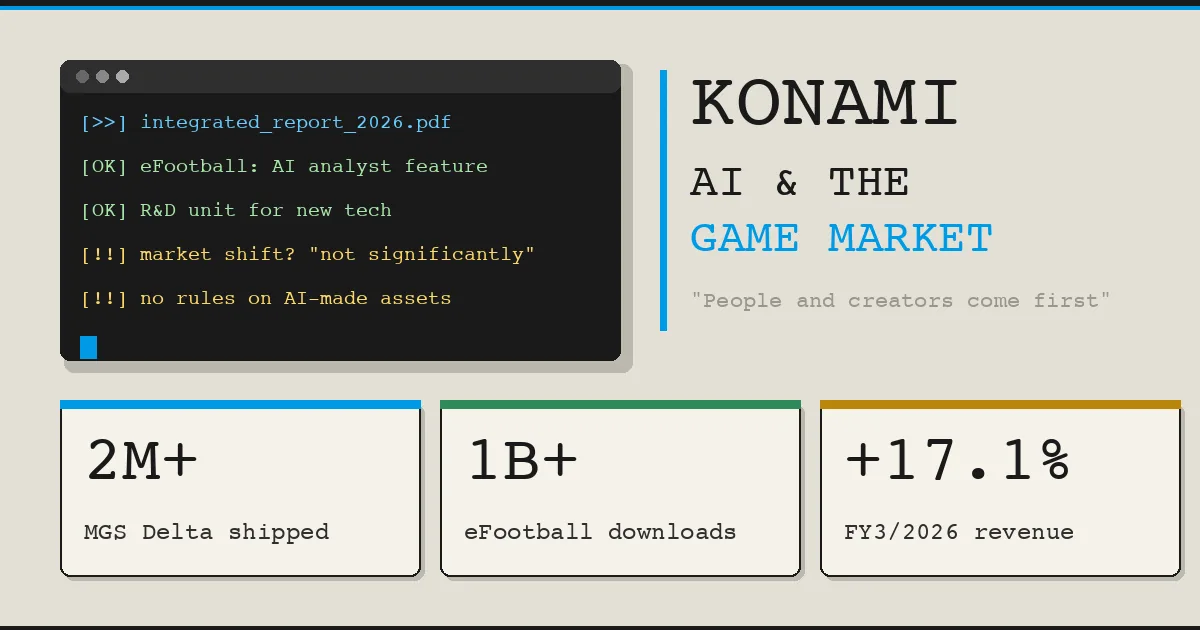
In the Integrated Report 2026, Konami digital chief Hideki Hayakawa said AI will not greatly change the game m…
Exa Enterprise AI began offering Claude Haiku 5.5 on its ExaBase AI corporate service, following Anthropic's r…

S&P Global added Visible Alpha data to its AI Data Portal, giving institutional clients AI-ready sell-side con…

A McDonald's customer in Chicago filed a class action claiming the chain uses AI to set menu prices, citing a…

Danaher announced a collaboration with NVIDIA to combine its instruments, automation and workflow software wit…

Booking Holdings is launching Vayo, an AI travel venture in Seattle led by Mike Fridgen, with plans to invest…