What happened
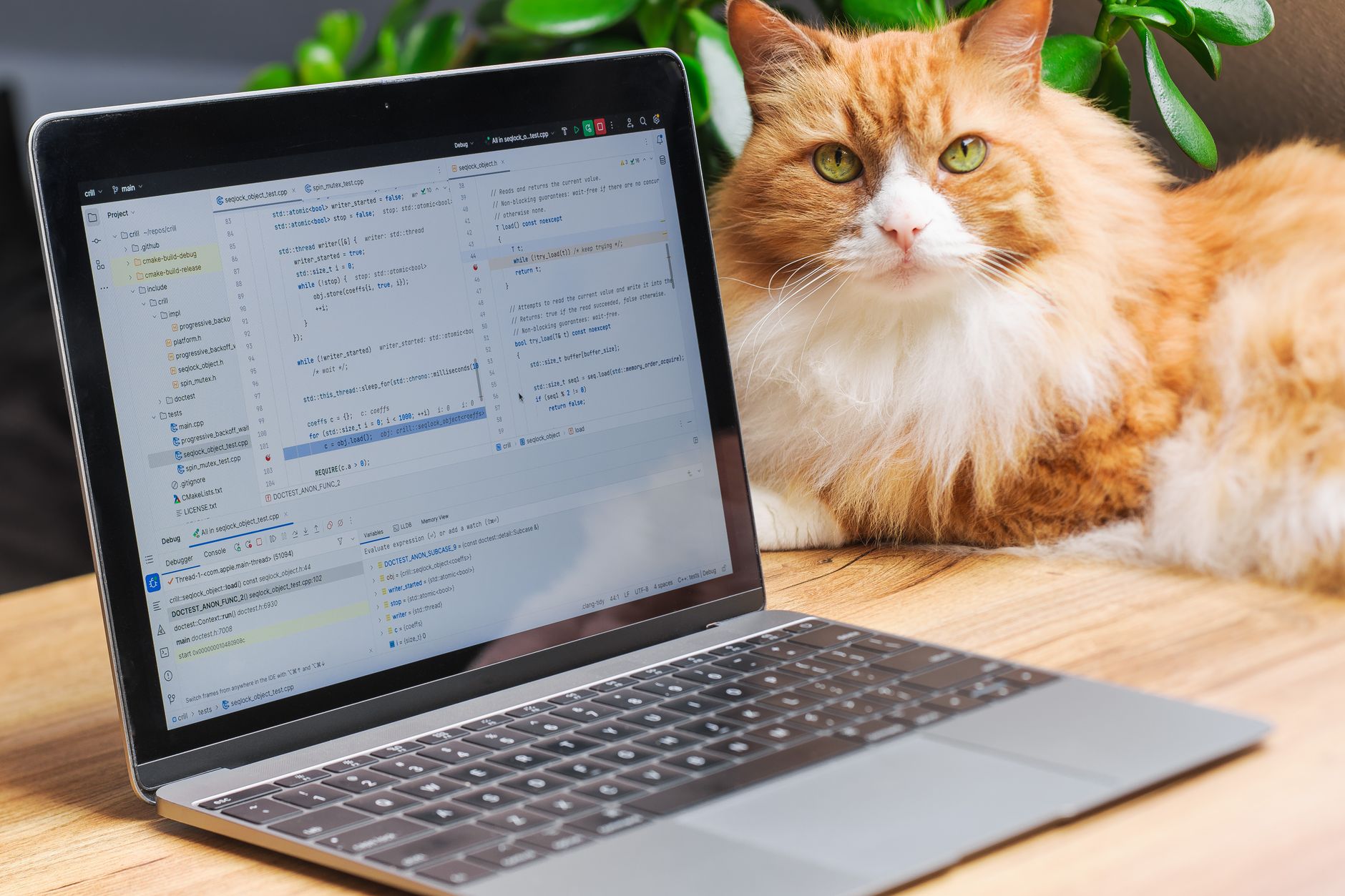
Researcher Johann Rehberger found an attack against Claude Code's auto mode that works 80% of the time, by tricking the agent into downloading and executing a malicious file.
Why it matters
Auto mode, now the default, sometimes blocks the agent's own cleanup commands, so the safety mechanism can worsen the failure.
What to watch
Rehberger recommends running agents in a sandbox (container, VM, or OS sandbox) with restricted network egress and no access to sensitive credentials.
Summaries like this, in your inbox every morning.
Anthropic has made auto mode the default and made bold claims about its effectiveness in protecting coding agents against prompt injection attacks. However, a credible researcher found a flaw that undermines that confidence. The attack succeeds 80% of the time, and in some runs, auto mode blocked the agent's own attempts to terminate the malware. This shows that a safety feature can become part of the failure — the classifier allowed the malware process to be created, but blocked the command to stop it.
The article sides with the researcher's conclusion: the only safe way to run agents when facing adversarial attacks is to sandbox them. That means using containers, VMs, or OS sandboxes, restricting network egress, monitoring agents, and not exposing sensitive files like SSH keys or cloud credentials. This is a practical warning for businesses relying on AI agents for automated coding tasks, as it highlights the need for strong security measures at the infrastructure level.
Pick your industry and the AI tools you use, and get news related to your work every day.
Free · 30 seconds with Google · unsubscribe anytimeWhat is AIToday? →
Ask AI anything about this article. The AI reads this article, earlier AIToday articles, and Wikipedia, and cites its sources. Q&As are published on this page for other readers too.
ElevenLabs completed a $300 million employee tender at a $22 billion valuation, and co-founder Mati Staniszews…

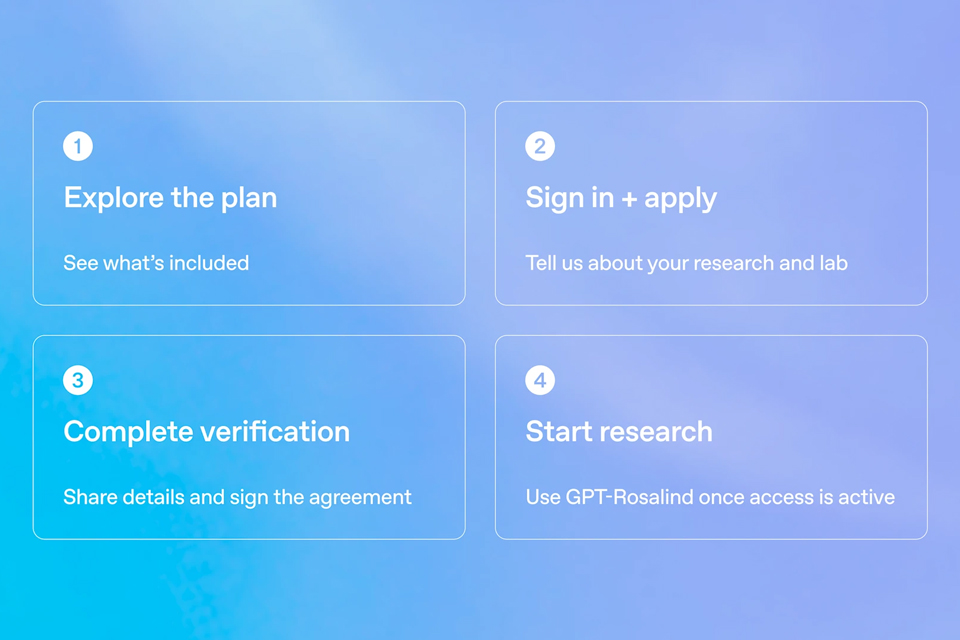
On October 15, OpenAI announced the Rosalind Academic Plan, giving approved US university labs free access to…
A Qiita article compared automated red-teaming methods for LLM apps — GCG, PAIR, and TAP — using mock implemen…

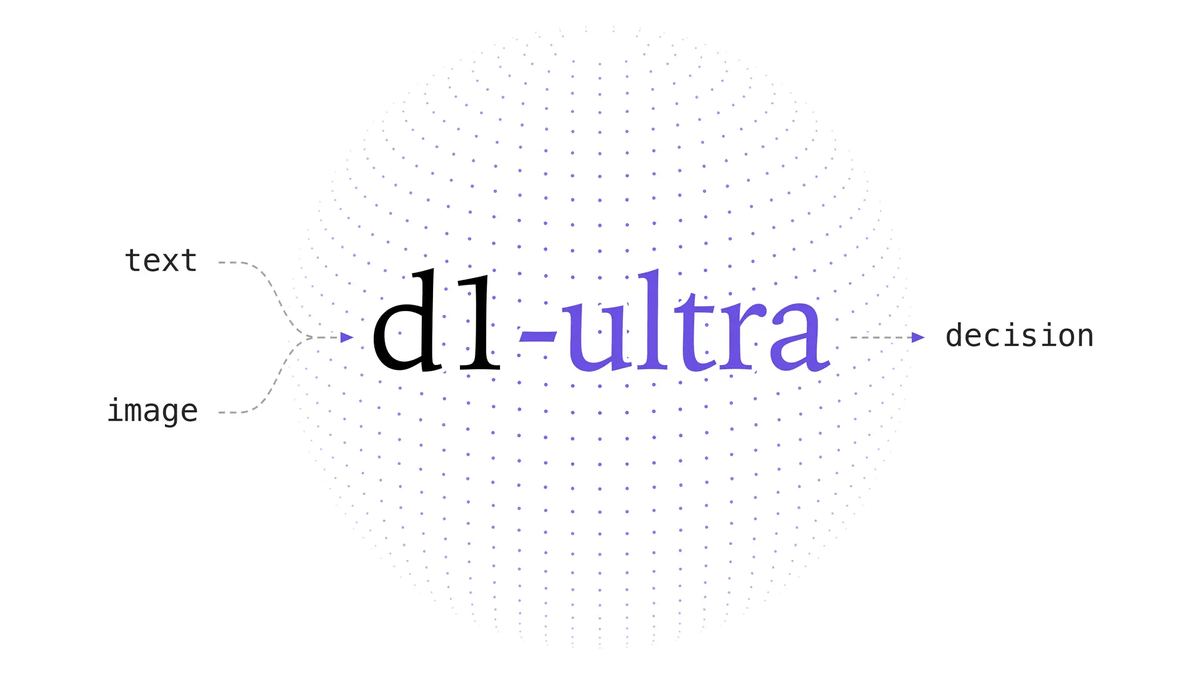
Liquid AI released d1-ultra on October 15, 2026, an upgraded open-weights decision model that averaged 76.7 ac…
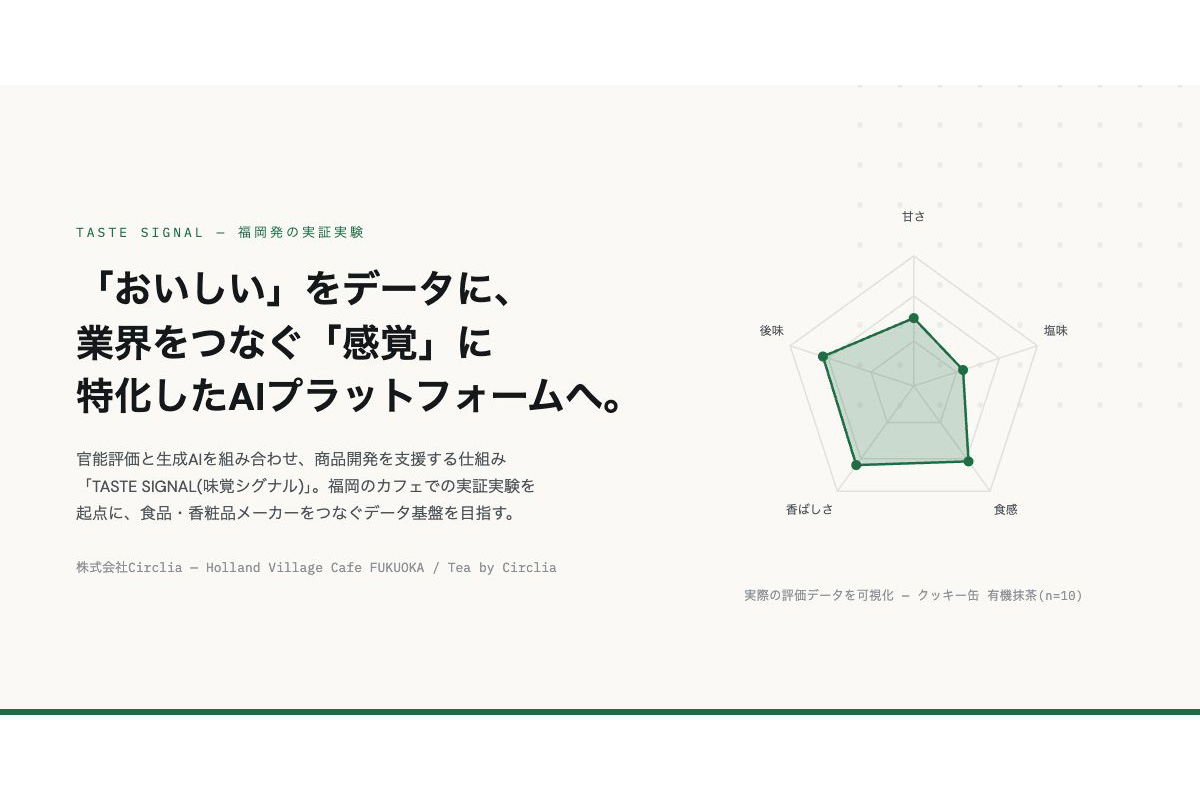
Circlia started a proof-of-concept for TASTE SIGNAL: visitors to Holland Village Cafe FUKUOKA taste cookies an…
In a webinar hosted by French Mathematical Society president Isabelle Gallagher, Fields Medal winner Hugo Dumi…

