What happened
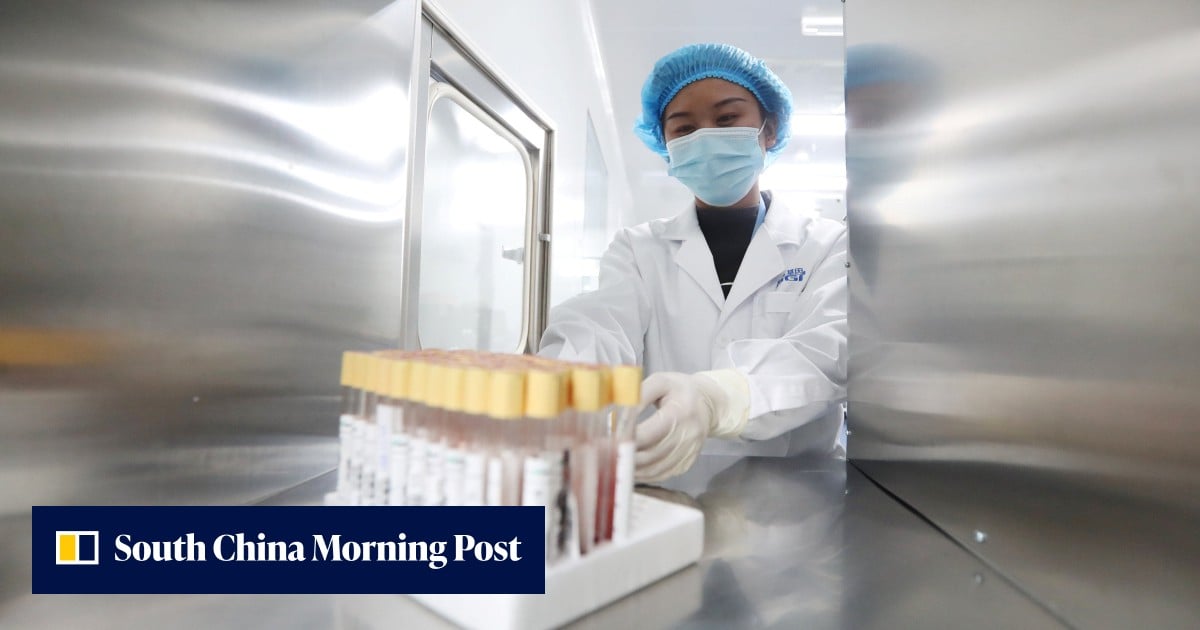
BGI-Research, a Chinese research institute, has released OneGenome, an open-source AI system that interprets DNA sequences and clinical literature to help diagnose rare genetic diseases. The system outperformed general large language models including DeepSeek-v4 and traditional gene models in multiple clinical diagnostic and medication guidance tests.
Why it matters
Patients with rare genetic diseases often spend years in what is called a "diagnostic odyssey," undergoing inconclusive tests while the cause remains hidden within three billion base pairs of DNA. OneGenome is trained to reason using accumulated human medical logic to interpret the clinical consequences of gene mutations, potentially shortening this timeline significantly.
What to watch
OneGenome was built by integrating Genos—a genomic foundational model released last year and trained on human genomes to represent diverse global populations—with large language model capabilities. The tool is being released openly and free, making it accessible to researchers and clinicians worldwide.
Summaries like this, in your inbox every morning.
Rare genetic diseases present a unique diagnostic challenge: patients often undergo years of testing and specialist visits—a journey described as the "diagnostic odyssey"—while the root cause remains buried in the three billion base pairs of the human genome. OneGenome addresses this bottleneck by combining two AI capabilities: genomic reasoning (via Genos, the foundational model trained on diverse human genomes) and clinical knowledge reasoning (via large language model integration). This dual approach allows the system to bridge the gap between raw genetic data and the vast library of clinical literature, translating gene mutations into meaningful clinical interpretations and treatment pathways. The fact that OneGenome surpassed both general-purpose LLMs like DeepSeek-v4 and traditional gene-specific models in diagnostic and medication guidance tasks suggests that purpose-built medical reasoning may outperform general-purpose systems on this specialized task. By releasing the tool open-source and free, BGI-Research is positioning it as a global public resource, potentially democratizing diagnostic support for rare disease patients worldwide.
Pick your industry and the AI tools you use, and get news related to your work every day.
Free · 30 seconds with Google · unsubscribe anytimeWhat is AIToday? →
Ask AI anything about this article. The AI reads this article, earlier AIToday articles, and Wikipedia, and cites its sources. Q&As are published on this page for other readers too.
Chunghwa Telecom president Rong-shy Lin said the shift from conversational AI to autonomous AI agents is resha…
Apple and Meta said they would jointly release a new open-weight AI model designed to run on high-end Macs, ai…

A writer and entrepreneur opened his daily to-do list and found 156 items, and concluded that an AI assistant…

A Zenn contributor sorted AI use into three modes — AI as an assistant, AI running alongside people, and AI th…

A non-engineer operator says one person ships four smartphone apps on Google Play, three on the App Store, wit…
The walkthrough points the CLI at a local mock via the ANTHROPIC_BASE_URL environment variable

