What happened
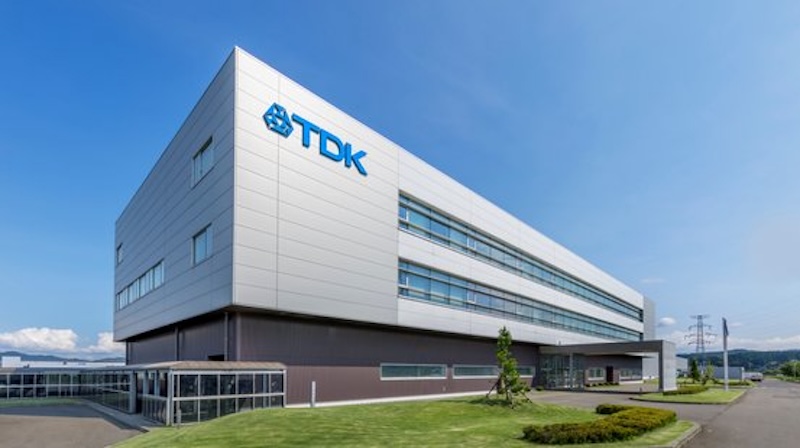
Ankur Saxena, investment director at TDK Ventures (the corporate venture capital arm of TDK Corporation), laid out a framework called the '4Ps of Physical AI'—perception, planning, performance, and platform—arguing that success in robotics requires solving physical constraints (sensors, power, mechanics) alongside software intelligence, not just bolting generative AI onto existing hardware as a marketing layer.
Why it matters
Many investors assume that AI scale will automatically improve physical systems the way it has improved language and image generation, but Saxena emphasizes that robotics demands determinism, sub-millisecond response times, and fault tolerance in unstructured environments—constraints that statistics-based foundation models alone cannot solve. Perception (reliably interpreting sensor data in real-world conditions) remains the weakest link and a major barrier to scaling autonomous systems.
What to watch
Saxena identifies near-term opportunities in constrained, high-value environments—autonomous mobile robots in logistics and warehousing, inspection robots in energy infrastructure and mining (where startups like ANYbotics already operate), and aerial autonomy for cargo logistics—while cautioning that humanoid robot investment broadly is pricing in a commercialization timeline that is optimistic by at least a decade. He notes that enabling technologies like sensors, power electronics, and motion control remain undervalued by investors despite being essential to real-world deployment.
Ask the AI about this article →
For example, today's edition would include:
AI-summarized, only the topics you pick — one digest a day via Email, Slack, or Discord.
Free · takes 30 seconds · unsubscribe anytimeWhat is AIToday? →
Ask AI anything about this article. Q&As are published on this page for other readers too.
Phonely Ltd. launched Alma, a large language AI model built for voice agents and trained on over 10 million re…

Aranya Inc., a startup founded last year, launched today with $11 million in funding

CBTS Technology Solutions LLC launched Forge Agents, a platform that turns a plain-language job description in…

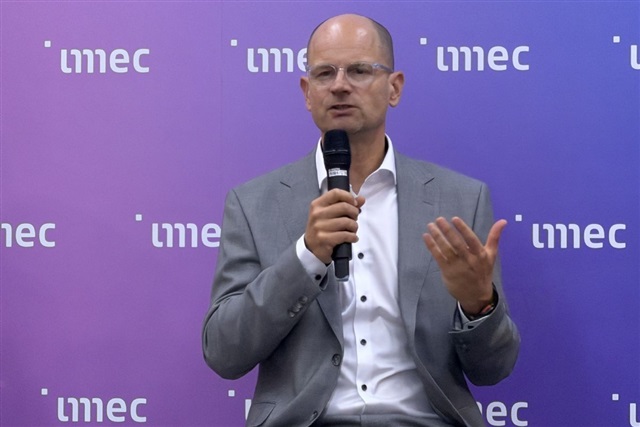
Imec CEO Patrick Vandenameele said at SEMICON Taiwan 2026 that the Belgian research center is broadening its c…
Alphabet's AI Overviews now reach over 2.5 billion monthly users through Google Search, and its ad business ge…
Sarah O’Connor's book 'We Are Not Machines' explores how mechanization and AI have transformed the workforce…