What happened
OctaMem introduced a memory infrastructure that organizes agent data into three types—semantic (facts and knowledge), episodic (events and history), and procedural (workflows and rules)—and retrieves only relevant context per request. The system ingests documents (contracts, PDFs, spreadsheets, emails) and parses them into structured, queryable records rather than embedding blobs. It integrates via REST, Python, JavaScript, SDKs, IDE plugins, and MCP (a protocol for tool-calling) and is available on a free tier with 2 GB memory, no credit card required.
Why it matters
AI agents today re-send the same context on every call, burning tokens and costs unnecessarily; without a centralized memory, institutional knowledge walks out the door when employees leave. A shared memory layer that compounds across sessions and teams allows organizations to own knowledge as infrastructure, not lose it to scattered notes or individual departures. The system includes an immutable audit chain (reads, writes, redactions logged with hash chains) so compliance and security teams can inspect and control memory end-to-end.
What to watch
OctaMem offers configurable retention windows, per-record deletion, role-based access control (Okta, Entra, Google SSO), AES-256-GCM encryption at rest, TLS 1.3 in transit, and multi-AZ deployment with 30-minute RTO and 5-minute RPO. A desktop app for macOS (Apple Silicon and Intel) is available now; Windows and Linux versions are coming. Every memory record carries an immutable ID, type, score, source, and timestamp, enabling full auditability and deletion by record or context.
Summaries like this, in your inbox every morning.
Pick your industry and the AI tools you use, and get news related to your work every day.
Free · 30 seconds with Google · unsubscribe anytimeWhat is AIToday? →
Ask AI anything about this article. The AI reads this article, earlier AIToday articles, and Wikipedia, and cites its sources. Q&As are published on this page for other readers too.
ElevenLabs completed a $300 million employee tender at a $22 billion valuation, and co-founder Mati Staniszews…
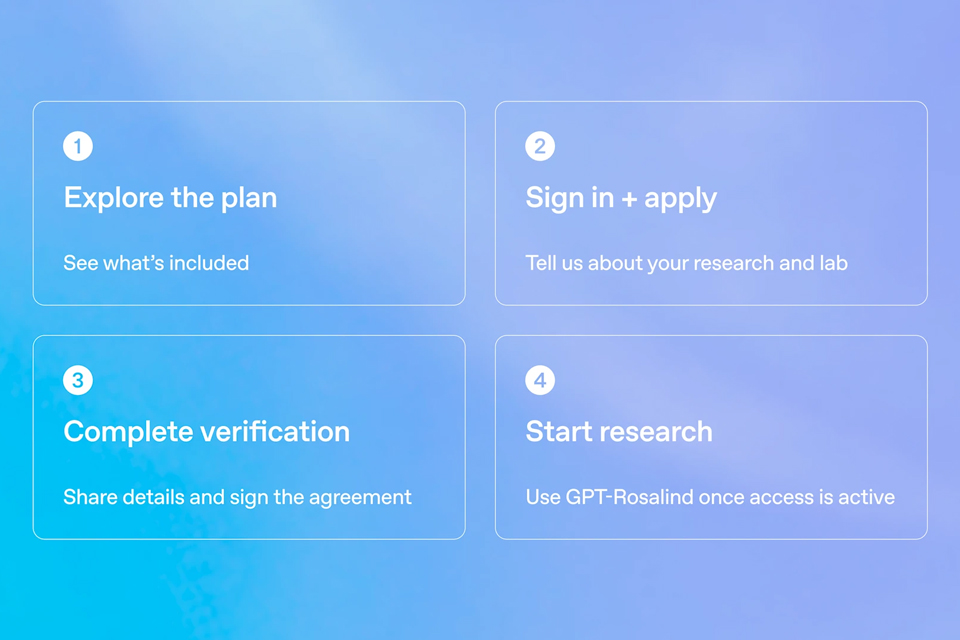
On October 15, OpenAI announced the Rosalind Academic Plan, giving approved US university labs free access to…
A Qiita article compared automated red-teaming methods for LLM apps — GCG, PAIR, and TAP — using mock implemen…

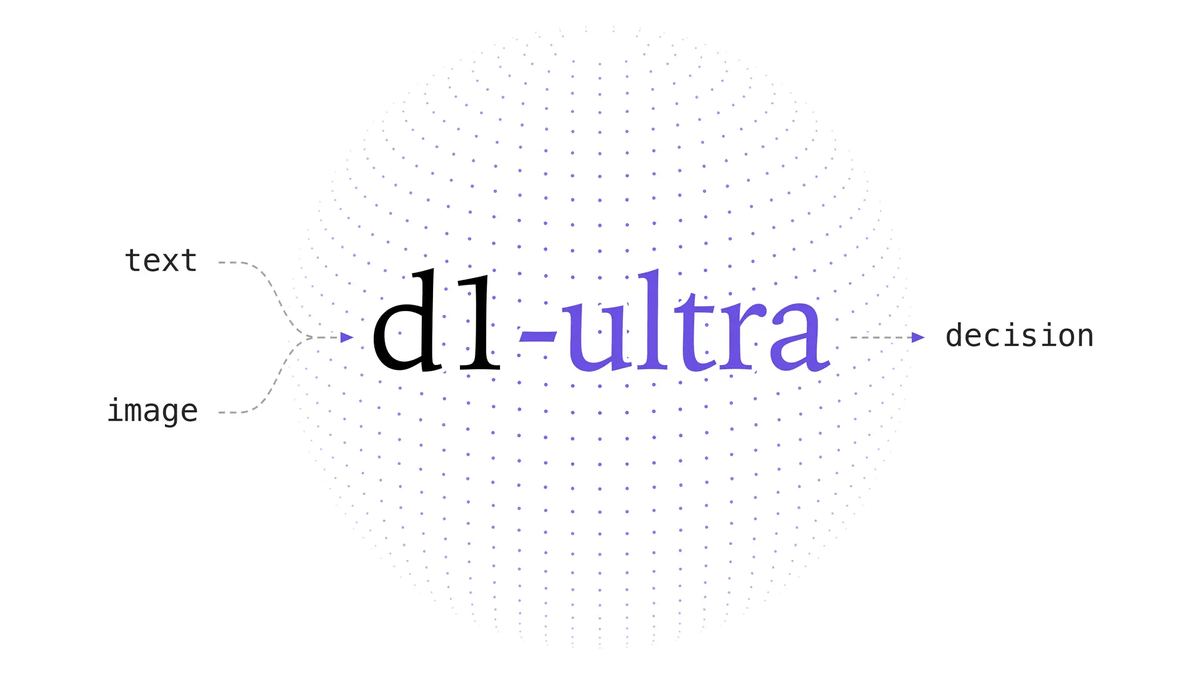
Liquid AI released d1-ultra on October 15, 2026, an upgraded open-weights decision model that averaged 76.7 ac…
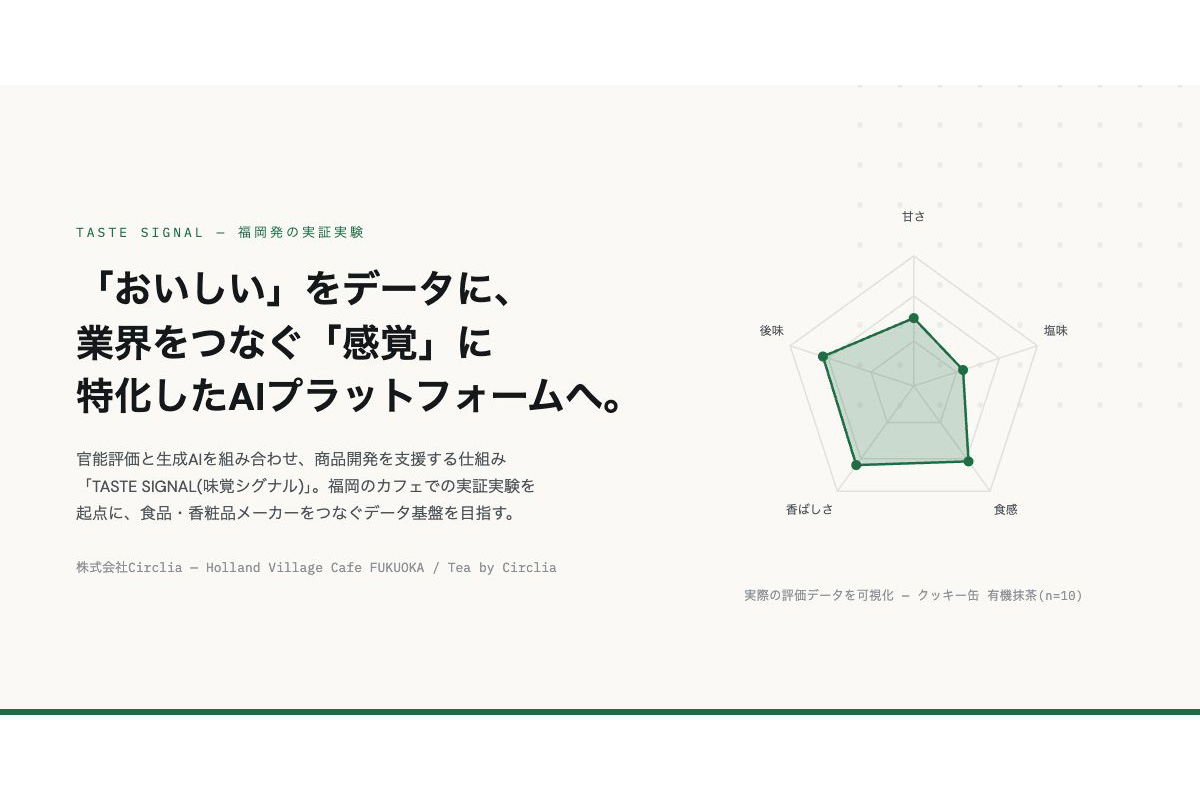
Circlia started a proof-of-concept for TASTE SIGNAL: visitors to Holland Village Cafe FUKUOKA taste cookies an…
In a webinar hosted by French Mathematical Society president Isabelle Gallagher, Fields Medal winner Hugo Dumi…

