What happened
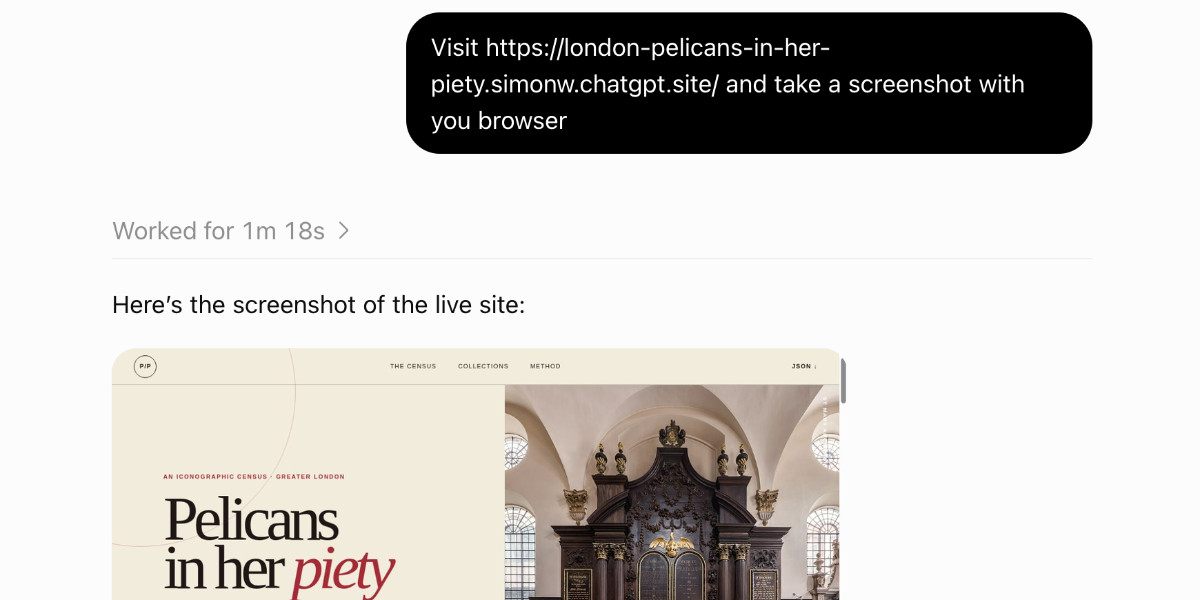
OpenAI's ChatGPT Work, available to $20/month and up subscribers, splits into a cloud product accessible via chatgpt.com and mobile apps, and a desktop app (formerly Codex) that runs locally. The cloud version adds features missing from regular ChatGPT, including internet-enabled code execution, a headless Chrome browser, a persistent shared filesystem, ChatGPT Sites deployment via Cloudflare Workers, sub-agents, and scheduled automations.
Why it matters
For paid subscribers, Work expands what ChatGPT can do—performing tasks with clear outcomes like building websites or running scheduled searches—but OpenAI's guidance on when to use Work versus Chat is vague, and the product's complexity has made it confusing even for experienced users. Work also introduces security concerns, as it combines private data access, exposure to untrusted content, and a way to exfiltrate information, which Simon Willison flags as a 'lethal trifecta'.
What to watch
The cloud version of Work can launch a full Chrome instance to fill forms and take screenshots, with a default being open to all domains unless configured otherwise. Subscribers can also publish sites on Cloudflare Workers, which are private by default but can be made public. OpenAI has not detailed how Work sessions are protected against prompt injection attacks, though Willison expects an auto-review mechanism similar to Codex.
Summaries like this, in your inbox every morning.
The launch of ChatGPT Work represents a significant expansion of ChatGPT's capabilities beyond simple conversation. OpenAI has positioned it as a tool for tasks with clear outcomes—like creating briefs, decks, or analyses—but the practical distinction from regular Chat remains murky, as Willison demonstrates by noting he has used Chat for those tasks for years. The real differentiators are technical features: internet-enabled code execution, a headless browser, a persistent filesystem, and site deployment via Cloudflare Workers. These features enable hands-on work like cloning repositories or building interactive web pages, which Chat cannot do.
Willison's experimentation reveals that Work's model selection differs from Chat's, with options for GPT-5.6 Sol, Luna, or Terra and GPT-5.5, while Chat offers 5.6 Instant and a Pro mode exclusive to $100/month subscribers. He also notes that Work sessions are billed against a Codex allowance, which may explain the model differences. The product's safety remains an open question; Willison's 'lethal trifecta' model—combining private data, untrusted content, and exfiltration channels—applies directly to Work, and OpenAI has not clarified its protections against prompt injection. His main critique is that OpenAI explains Work by its intended use rather than its actual mechanisms, and by hiding system prompts and tool descriptions, they force users like him to reverse-engineer the product.
Pick your industry and the AI tools you use, and get news related to your work every day.
Free · 30 seconds with Google · unsubscribe anytimeWhat is AIToday? →
Ask AI anything about this article. The AI reads this article, earlier AIToday articles, and Wikipedia, and cites its sources. Q&As are published on this page for other readers too.
Hewlett Packard Enterprise stock is down 5% at $55.87

The Motley Fool argues Amazon is the AI company of the two, since AWS was just 21% of first-half 2026 revenue…

Google Deepmind's Gemini 4 Argon scored 97.5 percent on ARC-AGI-3 at a cost of $4,800, second only to GPT-6 As…
Cammarata reinterprets InceptionV1's cat-car neuron as a V-shape detector, not two unrelated concepts

Microsoft's Surface Laptop Ultra, using Nvidia's RTX Spark platform, starts at $2,599 (up to $5,899)

Meta's new commercial terms, effective October 30th, appear to let it crawl and train AI on content from websi…