What happened
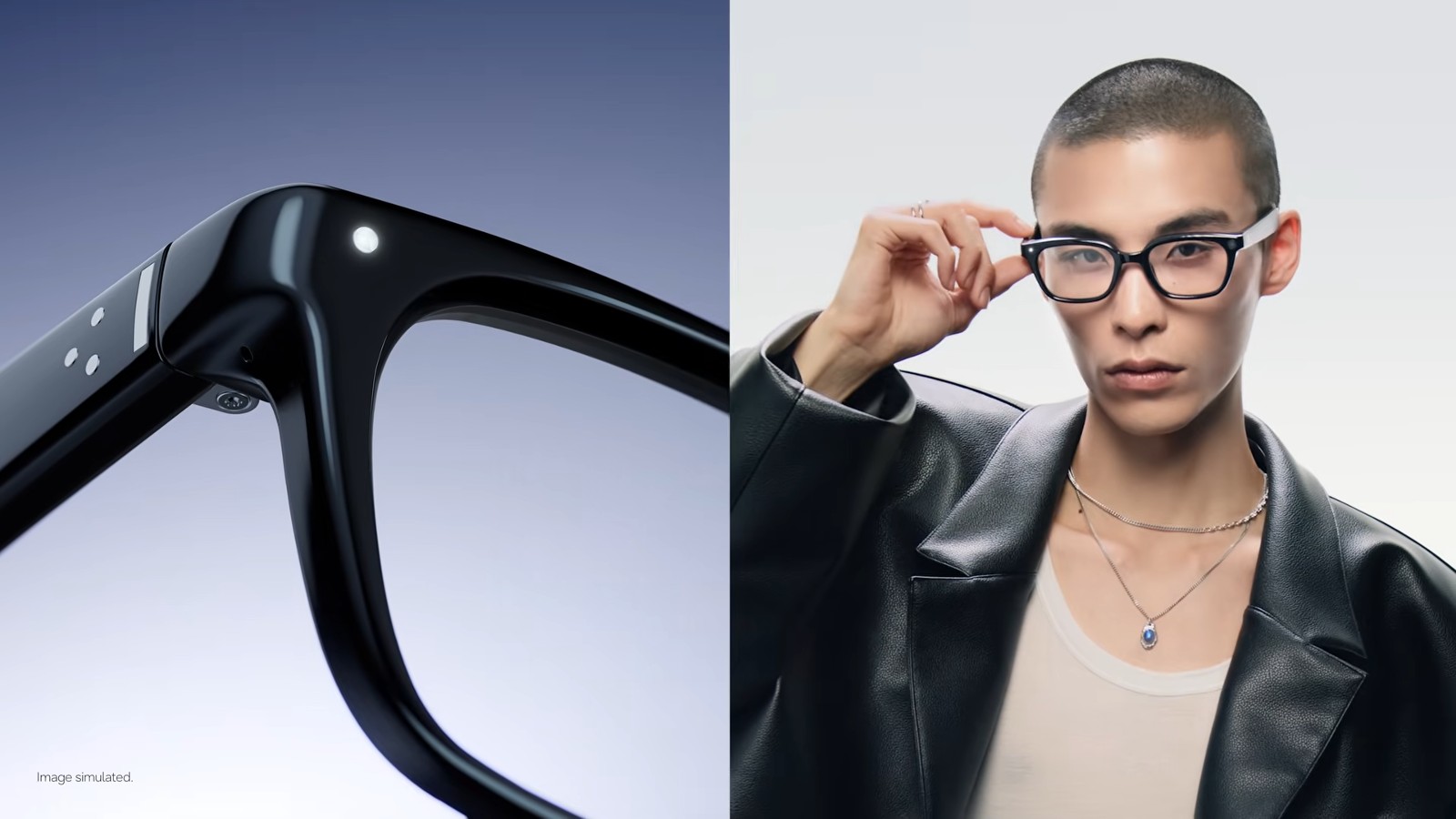
Google opened preorders for its Gemini-powered Intelligent Eyewear and detailed privacy measures, including an outward-facing LED that lights during capture and a sensor that blocks recording if the LED is covered.
Why it matters
The LED and tamper sensor are designed to signal to bystanders when recording is happening, addressing concerns raised by wearers, bystanders, and privacy experts about being filmed without their knowledge.
WHO IT HITSBystanders near wearers get a visible recording signal and automatic face anonymization for images sent to Gemini, while users must agree not to cover the LED or film without consent — violations can suspend use of the glasses.
Summaries like this, every morning.
Google's Intelligent Eyewear arrives with privacy controls built into both hardware and software. The outward-facing LED and tamper sensor are designed to make recording visible to people nearby, while images sent to Gemini for questions have faces automatically anonymized before processing. Directional microphones focus on the wearer's voice by default, making it harder to pick up bystanders. Data stored on the glasses is encrypted, and Google says it will bring Private AI Compute — which runs AI processing in a protected environment — to the glasses in the future. Beyond the product itself, Google's terms of service and policies restrict misuse: users must agree not to film people without permission or cover the LED, and violations can lead to suspension. Google Play bans apps that use the glasses' camera for live social media streaming, real-time face recognition, or changing the LED indicator, and Google Shopping and Ads prohibit promoting products that disable or hide the LED.
Pick your industry and the AI tools you use, and get news related to your work every day.
Free · 30 seconds with Google · unsubscribe anytimeWhat is AIToday? →
Ask AI anything about this article. The AI reads this article, earlier AIToday articles, and Wikipedia, and cites its sources. Q&As are published on this page for other readers too.
Lumbra, founded in 2025 by ex-CIA officer Aaron Brown and former special-operations officer Michael Hiebert, a…

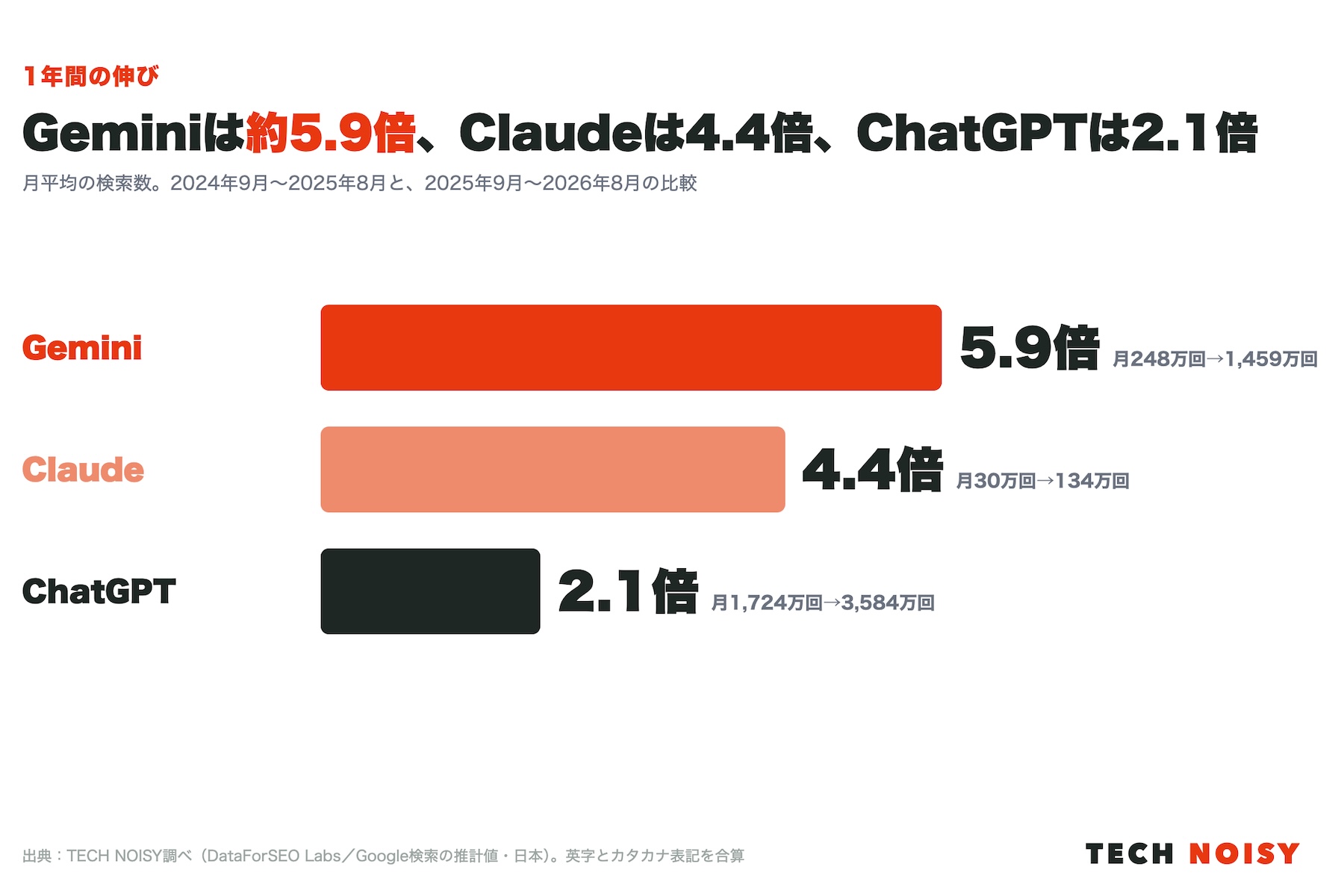
TECH NOISY compared monthly average Google search counts for September 2025–August 2026 with the prior year
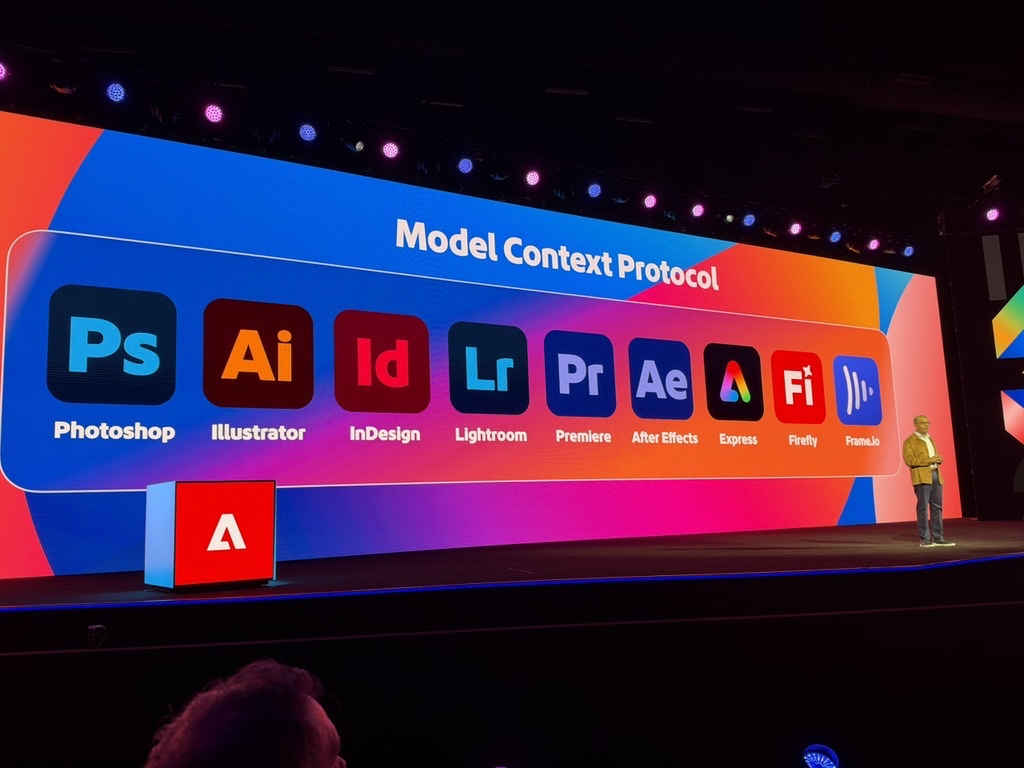
Adobe announced that its software, including Photoshop and Premiere, will be operable by AI agents, with servi…
Google released Gemini 4 Hydrogen, which it says handles questions with multiple parts, typos, or highly speci…

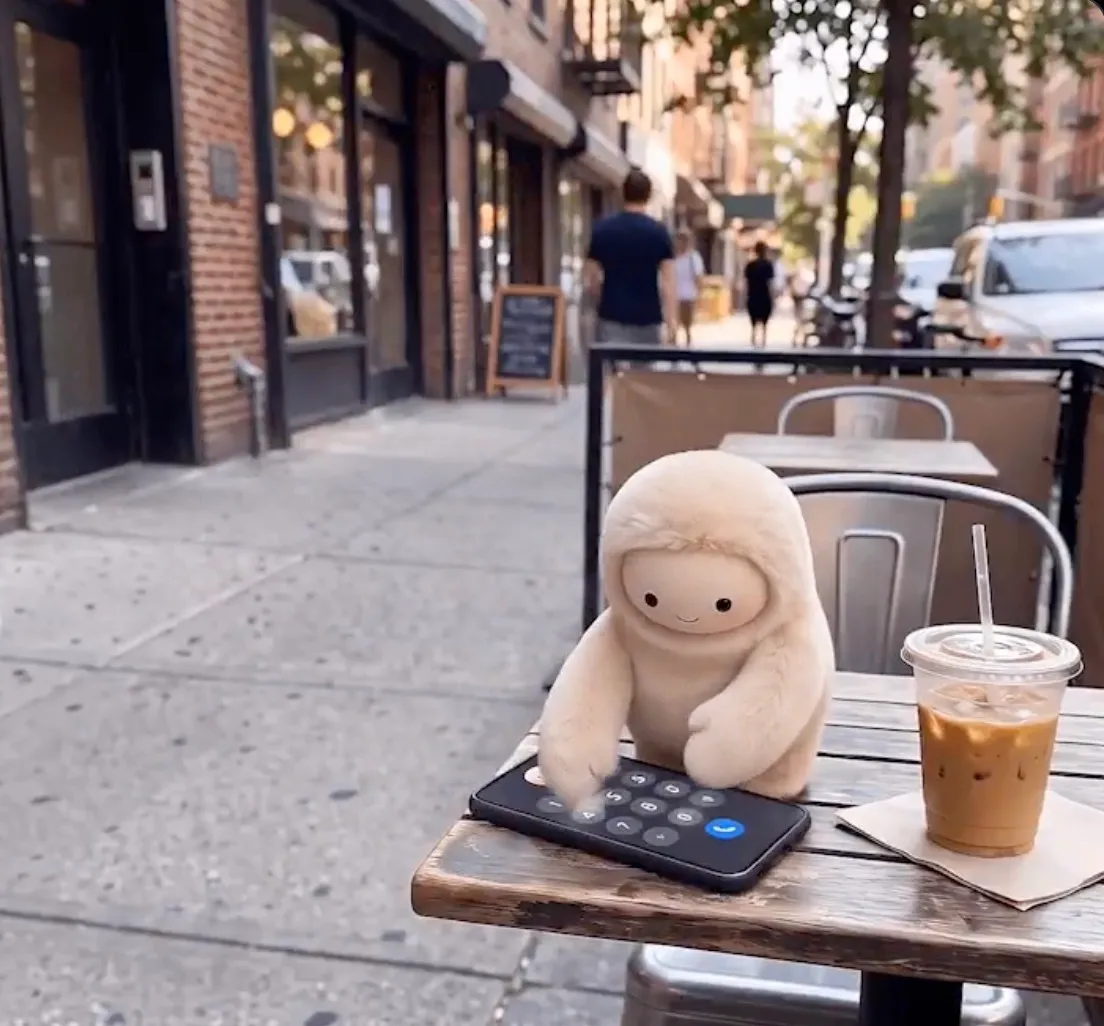
Meta's Muse, with over 10 million users, now places calls to U.S
Amazon announced SGLang-Neuron is publicly available through an AWS Deep Learning Container, released by Radix…