Meta and BlackRock's $14 billion AI data center project in El Paso, Texas faces potential insurance shortfalls, with coverage limits below the project's total value.
The facility, a one-gigawatt campus where BlackRock holds 80% and Meta holds 20%, has insurance through Marsh that covers construction delays up to $218 million and terrorism up to $645 million, but these gaps raised concerns about unprotected losses.
What happened
Meta and BlackRock's roughly $14 billion data center project in El Paso, Texas has potential insurance coverage gaps, with limits below the project's total value. Meta's stock fell about 2% on the news. BlackRock holds an 80% stake and Meta holds 20%.
Why it matters
The insurance arranged through Marsh covers construction delays (up to $218 million), terrorism (up to $645 million), and property protection during construction (up to $427 million, rising to $450 million after operations begin), but these limits may not fully protect the companies against all potential losses from the one-gigawatt facility.
What to watch
The project maintains commercial liability coverage capped at $50 million per event and in total—a relatively modest cap for a venture of this scale.
Ask the AI about this article →
Meta and BlackRock's joint venture to build a massive AI data center in El Paso, Texas represents a significant capital commitment in the competitive race for AI infrastructure. However, the arrangement reveals a structural risk: while the two companies are investing roughly $14 billion in the facility, their insurance coverage—arranged through Marsh—does not fully match the project's scale. The coverage limits for construction delays ($218 million) and terrorism ($645 million) are substantially smaller than the total project value, and even the property protection caps ($427 million during construction, $450 million after operations) and commercial liability cap ($50 million per event and in total) leave material gaps. This mismatch means that certain classes of losses—whether from unforeseen construction issues, supply chain disruptions, or liability events—could fall on the companies themselves rather than being borne by insurers. The news triggered a 2% decline in Meta's shares, suggesting investor concern about the uninsured exposure.
For example, today's edition would include:
AI-summarized, only the topics you pick — one digest a day via Email, Slack, or Discord.
Free · takes 30 seconds · unsubscribe anytimeWhat is AIToday? →
Ask AI anything about this article. Q&As are published on this page for other readers too.
Visko raised $10 million in pre-seed funding from Llama Ventures and opened public access to its first foundat…

U.S. markets ended August higher, with the S&P 500 up 2.6% and the Nasdaq up 3.9%

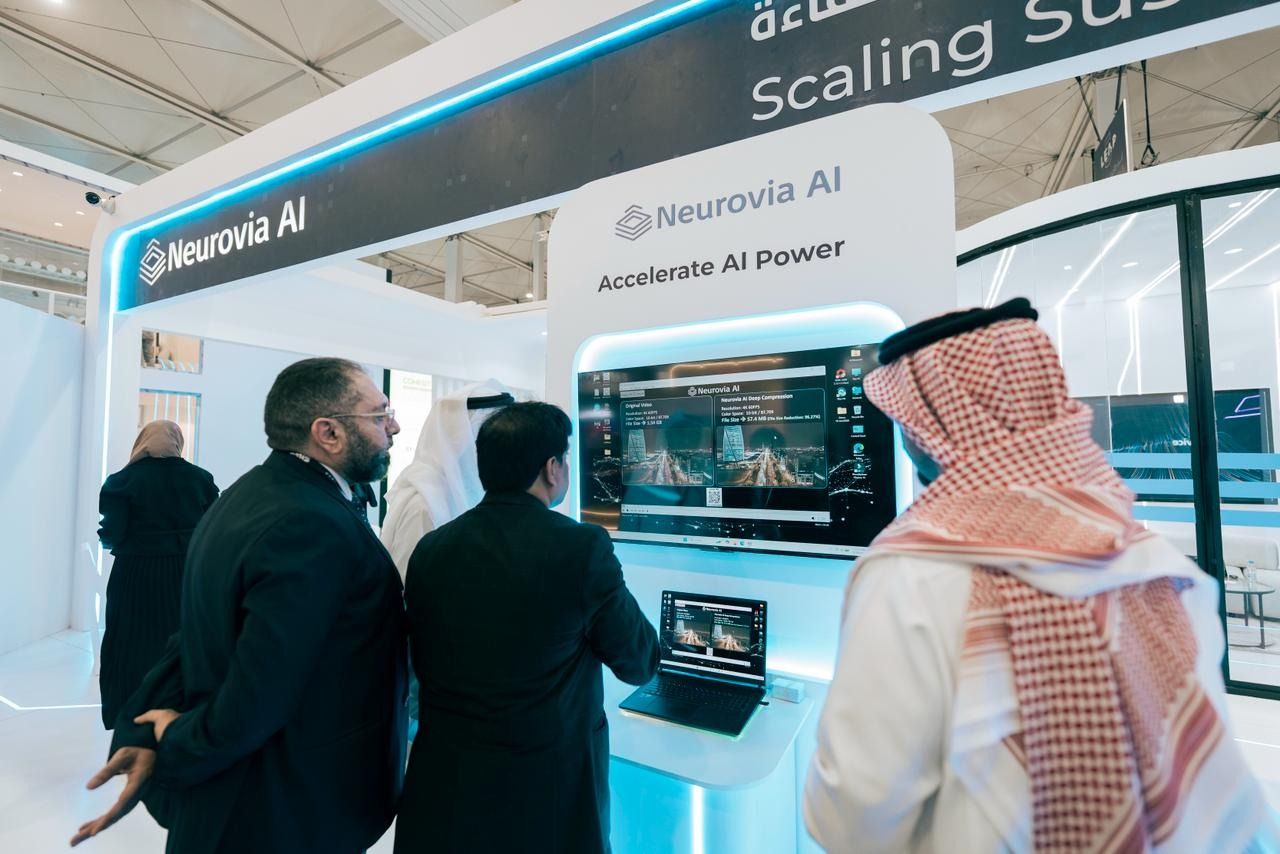
Neurovia AI, an Abu Dhabi-based company, is pitching Saudi security agencies software that it says can compres…
AI company Runway has unveiled Solaris, the first model in a new category it calls "Interface World Models." I…

John Deere introduced JD, a conversational AI tool that lets farmers ask open-ended questions about their hist…
Nvidia CEO Jensen Huang said on Fox Business that AI is creating 'hundreds of thousands' of jobs, including in…