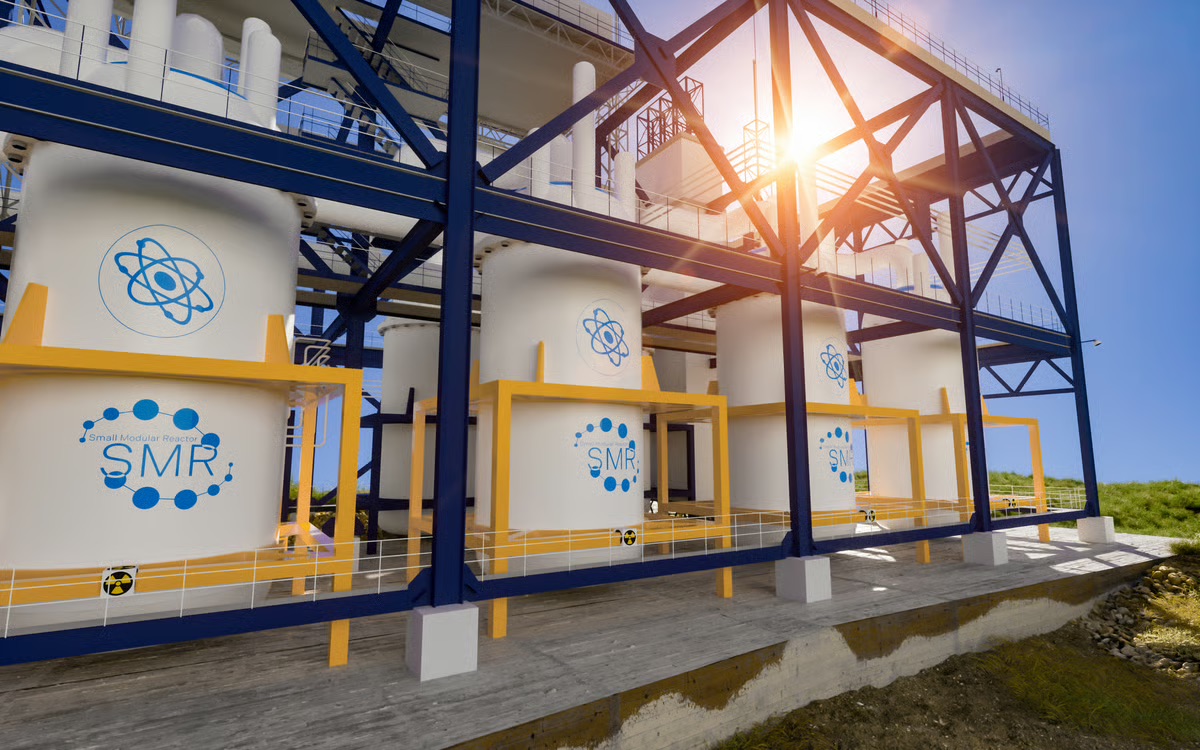
Oklo and NuScale Power are developing small modular reactor (SMR) technology designed to be smaller, factory-fabricated, less expensive to build, and safer than average nuclear power plants, targeting data center operators and utilities companies seeking on-site power generation.
Oklo operates as an independent power producer, selling electricity through power purchase agreements and handling reactor deployment in-house; NuScale sells its SMR technology through a partnership with ENTRA1, an independent energy company. Oklo has partnerships with data center clients including Equinix, Switch, and Meta Platforms, while NuScale is developing a 6 gigawatt SMR plant for the Tennessee Valley Authority (TVA).
Oklo lacks NRC (Nuclear Regulatory Commission) approval for its reactor designs but may have a speed advantage in matching data center expansion timelines; NuScale has regulatory certainty through its partnership model but relies on multiple parties to execute nuclear projects.
Ask the AI about this article →
For example, today's edition would include:
AI-summarized, only the topics you pick — one digest a day via Email, Slack, or Discord.
Free · takes 30 seconds · unsubscribe anytimeWhat is AIToday? →
Ask AI anything about this article. Q&As are published on this page for other readers too.

