What happened
Anthropic demonstrated that Claude language models (Mythos Preview and Opus 4.8) can run a complete protein design workflow by installing and coordinating open-source software tools, designing binders against 16 target proteins with a 26.8 percent hit rate (354 of 1,320 designs tested in the lab actually bound to their targets).
Why it matters
De novo protein design normally requires days of expert decisions and manual orchestration of specialized software; Anthropic's result shows that a general language model can automate the entire pipeline without humans touching individual design decisions, potentially making the workflow accessible to any lab with access to Claude and cloud compute.
What to watch
The compute cost was $50,000 per multi-target campaign and $10,000 per single target run through Modal; Anthropic has published the prompts, design data, and measurement datasets on Hugging Face, enabling other labs to reproduce and benchmark the approach—though the authors acknowledge no parallel expert campaign was run as a control.
Summaries like this, in your inbox every morning.
Protein design has undergone a fundamental shift since the introduction of AlphaFold and tools like RFdiffusion, which can predict and generate new protein structures. What has not been automated until now is the orchestration layer—the decisions about which targets to pursue, which tools to deploy, how to combine them across dozens of workflow variations, and how to rank the results. Anthropic's contribution is to show that a general-purpose language model can occupy that role, automating not just one design step but the entire campaign from target selection through final ranking. The report notes that the actual protein design work is still being done by the specialized open-source tools (PXDesign, RFdiffusion, SolubleMPNN, ESMFold2, and others); Claude is coordinating them using a 16,000-word protocol prompt that embeds both scientific knowledge and operational discipline.
The significance lies in accessibility and efficiency. Traditionally, de novo protein design campaigns require expert researchers to spend days orchestrating specialized software and managing compute. By removing the human from the decision loop—except for target selection, prompt writing, and result interpretation—the workflow becomes replicable by any lab with access to Claude and cloud compute. The 26.8 percent hit rate substantially exceeds the publicly documented 10–15 percent range, though the authors are explicit that no parallel expert campaign was run as a control, so they do not claim Claude's designs are better than what specialists would achieve with the same tools and budget. The report also notes that for four of six contest targets, contest results were included in Claude's reading list, which may have aided its performance.
Pick your industry and the AI tools you use, and get news related to your work every day.
Free · 30 seconds with Google · unsubscribe anytimeWhat is AIToday? →
Ask AI anything about this article. The AI reads this article, earlier AIToday articles, and Wikipedia, and cites its sources. Q&As are published on this page for other readers too.
Chunghwa Telecom president Rong-shy Lin said the shift from conversational AI to autonomous AI agents is resha…
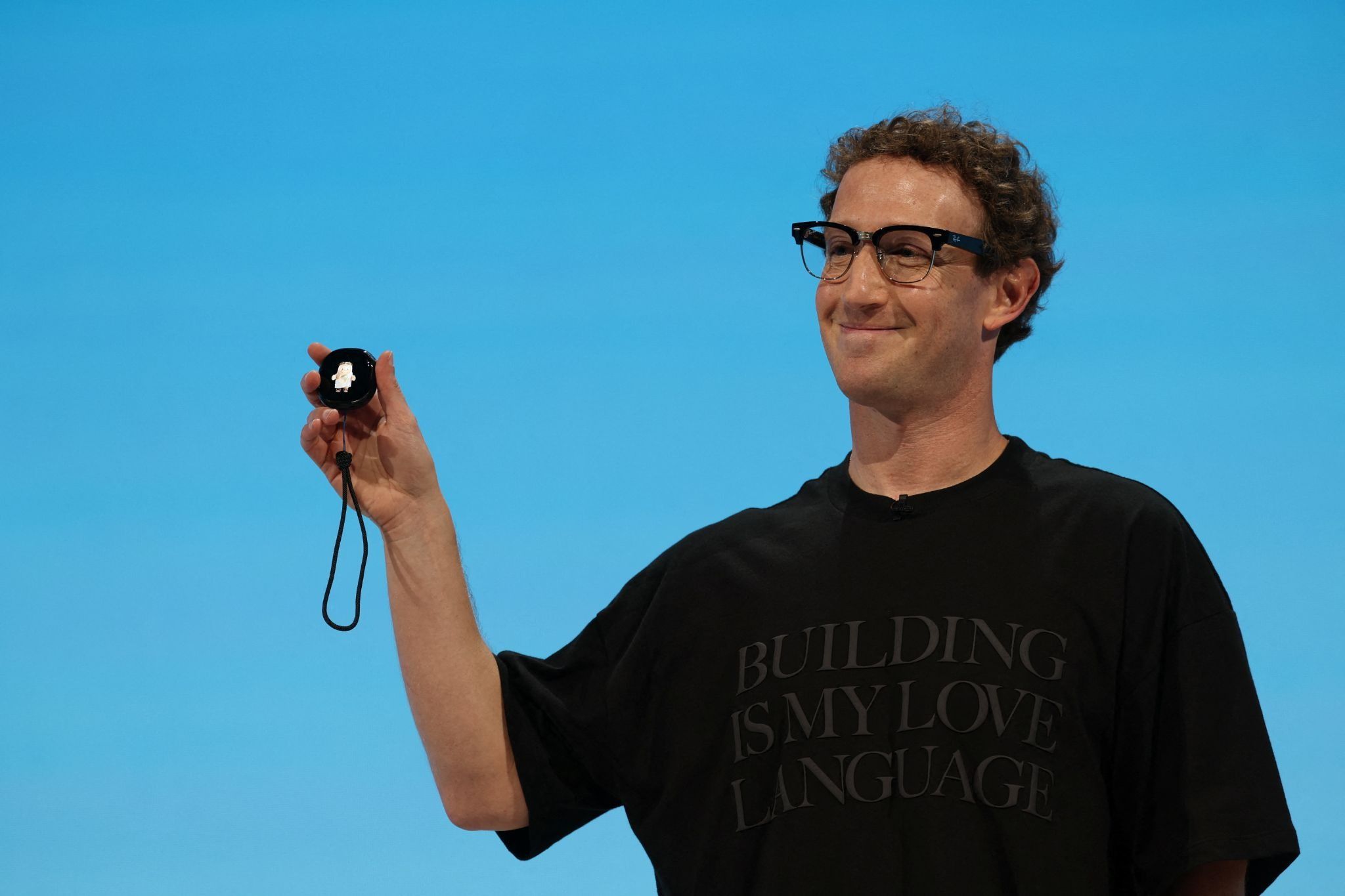
Apple and Meta said they would jointly release a new open-weight AI model designed to run on high-end Macs, ai…
A writer and entrepreneur opened his daily to-do list and found 156 items, and concluded that an AI assistant…
A Zenn contributor sorted AI use into three modes — AI as an assistant, AI running alongside people, and AI th…

A non-engineer operator says one person ships four smartphone apps on Google Play, three on the App Store, wit…
The walkthrough points the CLI at a local mock via the ANTHROPIC_BASE_URL environment variable

