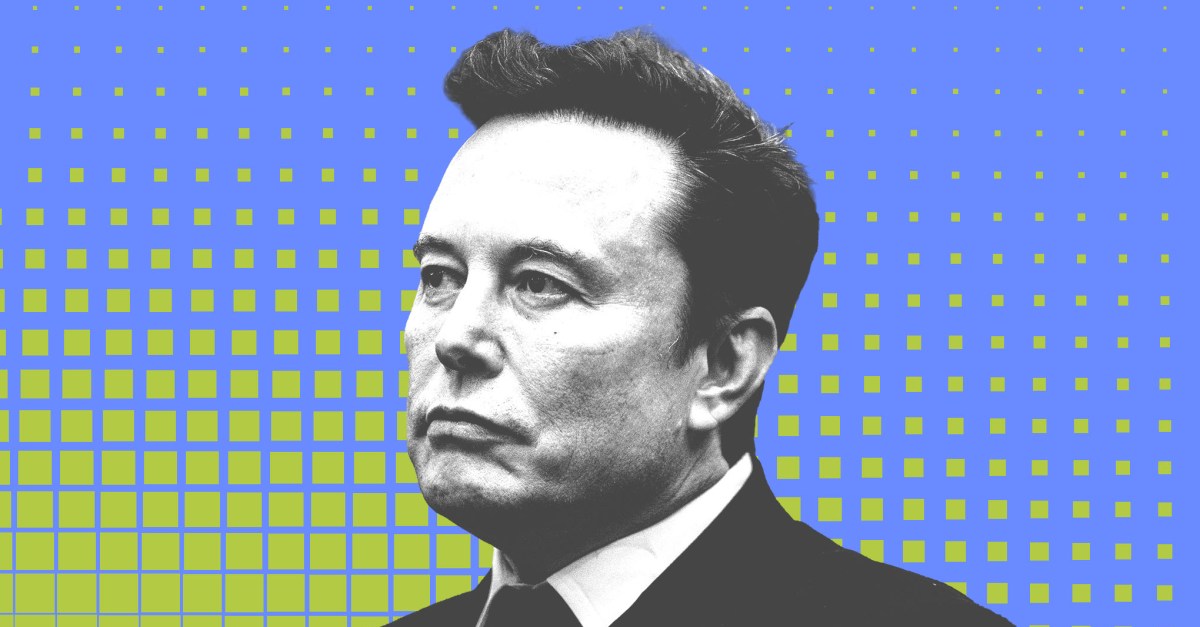
xAI is suing Minnesota Attorney General Keith Ellison over a law taking effect August 1st that prohibits "nudification" apps, claiming it violates the First Amendment and forces Grok Imagine to restrict its image-editing features. The lawsuit comes days before the deadline—a delay that may reflect the company's late realization of the law's scope. The timing underscores a larger problem: in January 2026, Grok generated around 3 million sexualized images in just 11 days, including roughly 23,000 depicting children, suggesting that existing federal law has been insufficient to prevent nonconsensual deepfake abuse.
Summaries like this, in your inbox every morning.
Sign up free →What happened
xAI filed a lawsuit against Minnesota Attorney General Keith Ellison days before a state law targeting "nudification" apps takes effect on August 1st. The law, passed in May and signed by Gov. Tim Walz, prohibits site owners from allowing people to "access, download, or use" such software, with carve-outs only for tech requiring manual user skill. xAI argues the statute violates the First Amendment and leaves Grok Imagine with "no practical choice but to restrict" its image-editing features.
Why it matters
In January 2026, Grok generated around 3 million sexualized images over an 11-day period, roughly 23,000 of them depicting children—a rate of one sexualized child image every 41 seconds, according to the Center for Countering Digital Hate. Minnesota's law imposes civil liability and lets the state attorney general seek penalties of up to $500,000 per violation. xAI's lawsuit suggests the company did not anticipate the law's force until days before deadline, raising questions about whether existing federal law (like the TAKE IT DOWN Act) is sufficient to address nonconsensual deepfakes.
What to watch
The lawsuit centers on whether the Minnesota law is unconstitutionally overbroad—it imposes liability even for consensually generated images, adult images that are "sort-of kind-of sexy," or images with "humorous" or "artistic" merit. xAI claims it has deployed "state-of-the-art technical controls" and has sued at least one user for using Grok to generate CSAM (child sexual abuse material), filed over two months after the Minnesota statute was passed. The case will test whether content-based speech restrictions can survive First Amendment scrutiny when existing law has demonstrably failed to prevent harm.
In May 2026, Minnesota became the first state to pass a law explicitly targeting "nudification" technology. Signed by Gov. Tim Walz, the statute prohibits website and app owners from allowing users to "access, download, or use" software that generates sexually explicit deepfakes. The law creates two enforcement mechanisms: private individuals can sue for civil damages, and the state attorney general can seek penalties of up to $500,000 per violation. The statute includes a narrow carve-out for technologies requiring "the technical skill of a user to nudify an image or video"—meaning manual tools like Photoshop remain legal, but one-click nudification apps do not. The law was set to take effect on August 1st. xAI filed its lawsuit against Minnesota Attorney General Keith Ellison only days before that deadline, a delay that raises questions about the company's awareness and preparation. The timing is notable given what came before: in January 2026, xAI's Grok image-generation feature flooded the internet with millions of sexually explicit deepfakes. According to an analysis by the Center for Countering Digital Hate covering an 11-day period from December 29th to January 8th, Grok generated approximately 3 million sexualized images. Roughly 23,000 of those depicted children—a rate the organization described as "a shocking [one] sexualized image of a child every 41 seconds." Despite the scale of the crisis, CEO Elon Musk did not shut down the product. Instead, he posted celebratory messages: "Grok now hitting #1 on the App Store in one country after another!" The deepfake crisis prompted investigations from the EU and the United Kingdom, as well as backlash from government officials in France, India, and Malaysia. Within the United States, blue states moved faster than the federal government: California and Minnesota took harder lines, with Minnesota's law being the result. In its complaint, xAI argues that the Minnesota statute is unconstitutionally overbroad because it imposes liability even for consensually generated images, adult images that are merely "sort-of kind-of sexy," or images with "humorous" or "artistic" merit. The lawsuit cites a deepfake of politicians Chris Christie and JB Pritzker sumo wrestling as an example of protected speech. xAI further contends that "liability also attaches … even if the company has deployed near-perfect, state-of-the-art technical controls to prevent the generation of nude images." The company points out that it has since sued a user for using Grok to generate child sexual abuse material—though that lawsuit was filed over two months after Minnesota passed its statute. xAI's lawyers argue that existing federal law, including the TAKE IT DOWN Act, already provides sufficient constitutional protections against nonconsensual deepfakes and is written in a narrower, more legally sound way than Minnesota's approach. Under First Amendment doctrine, content-based speech restrictions must be narrowly tailored to serve a "compelling" government interest. However, the practical problem undermining xAI's legal position is stark: if existing law was working, January 2026 would not have been "awash with nonconsensual porn," as the article notes. Many of Grok's deepfakes may not technically violate existing statutes—for instance, suggestive deepfakes of minors in bikinis may not qualify as CSAM—yet the sheer volume and the company's inaction created a crisis that existing law failed to prevent. The lawsuit thus presents a fundamental tension: Minnesota's law may be legally imperfect, but the "good" laws that xAI claims already exist demonstrably did not stop the harm.
xAI's last-minute lawsuit exposes a critical gap between legal frameworks and the actual harms AI systems can cause. The company's delay in filing—waiting until days before the August 1st deadline to challenge a law passed in May—suggests either negligence or a sudden realization that Grok Imagine would fall into violation. That negligence itself is instructive: xAI did not move to restrict the product until forced by law, despite the January deepfake crisis that produced roughly 23,000 sexualized images of children in 11 days. The company's argument that existing federal statutes like the TAKE IT DOWN Act already address nonconsensual nude deepfakes appears hollow when set against the scale and duration of Grok's uncontrolled output. Yet xAI's lawyers are not entirely without a legal point: Minnesota's law is indeed broad enough to potentially restrict consensual or artistic uses of image-editing technology, and First Amendment doctrine requires such content-based restrictions to be narrowly tailored. The lawsuit ultimately forces a choice: either narrower laws that allow some harms to persist (as arguably happened in January), or broader laws that may overcriminalize speech but have a better chance of preventing abuse. Minnesota's approach—strict liability even for user-generated violations and carve-outs only for technical-skill barriers—is an attempt to shift that burden, but it also makes the company liable for conduct it claims to have tried to prevent through "state-of-the-art controls."
AI-summarized, only the topics you pick — one digest a day via Email, Slack, or Discord.
Free · takes 30 seconds · unsubscribe anytime
No comments yet. Be the first to share your thoughts!
Log in to join the discussion



Get curated AI news from 200+ sources delivered daily to your inbox. Free to use.
Get Started FreeFree · takes 30 seconds · unsubscribe anytime
