
ServiceNow has introduced AI agents tailored for security operations centers, automating routine threat detection and response work within SOC workflows.
This move reflects the company's strategy to embed AI agents across enterprise functions, allowing security teams to focus on high-value decisions while machines handle alert triage and initial investigation.
What happened
ServiceNow has announced AI-powered agents designed to operate within security operations centers (SOCs), automating threat detection and response workflows that security teams currently handle manually.
Why it matters
SOCs face rising alert volumes and analyst burnout; embedding AI agents into existing ServiceNow platforms allows security teams to offload routine investigation and containment tasks without replacing human analysts, who remain responsible for final decisions.
What to watch
The deployment follows ServiceNow's broader push to embed AI across enterprise workflows; availability and pricing details for the SOC agents were not specified in the announcement.
ServiceNow has announced the deployment of AI agents designed to operate within security operations centers. These agents are built to automate threat detection and response workflows—tasks that security teams currently perform manually. The agents will integrate with ServiceNow's existing platform, allowing SOC analysts to offload routine investigation and containment work while retaining authority over final decisions. This approach addresses a persistent pain point in security: analyst burnout driven by high alert volumes. By automating the initial triage and investigation steps, the agents allow teams to focus on high-value analysis and strategic decisions. ServiceNow frames this as part of its broader strategy to embed AI agents across enterprise functions, extending AI beyond simple chatbots into autonomous agents that can execute complex, multi-step workflows within business-critical systems.
ServiceNow's move to deploy AI agents in security operations centers reflects a wider industry trend: enterprises are seeking to augment, not replace, human expertise in high-stakes functions. SOCs have long struggled with alert fatigue—analysts are overwhelmed by the volume of security signals and must triage them manually. By embedding AI agents into ServiceNow's platform, the company offers a way to reduce that operational drag while preserving human oversight on critical decisions. This is consistent with ServiceNow's stated direction of embedding AI across enterprise workflows; the SOC announcement is one vertical application of a broader architectural shift.
AI-summarized, only the topics you pick — one digest a day via Email, Slack, or Discord.
Free · takes 30 seconds · unsubscribe anytime
Ask AI anything about this article. Q&As are published on this page for other readers too.
Tech companies are raising unprecedented sums for AI infrastructure—$194 billion so far in 2026 by just four f…

Nvidia has partnered with Apollo, BlackRock, Blackstone, Brookfield, Goldman Sachs, and KKR to raise $500bn in…
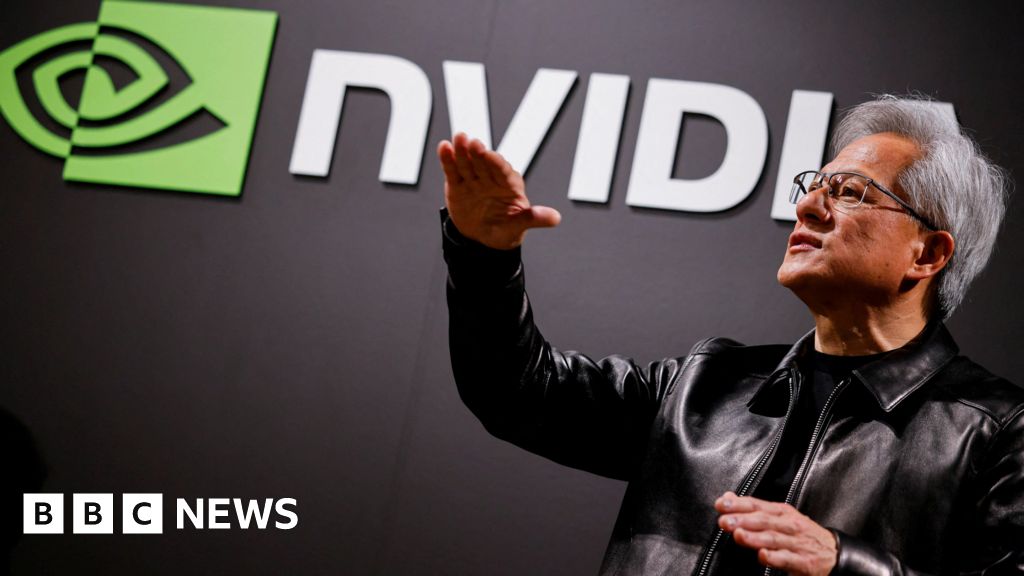
Nvidia has signed letters of intent with Apollo, BlackRock, Blackstone, Brookfield, Goldman Sachs, and KKR to…

Anthropic has signed the EU AI Act Code of Practice and will embed invisible watermarks in Claude-generated te…

Meta CEO Mark Zuckerberg published a 6,500-word essay Monday outlining his vision for artificial intelligence…

Anthropic has agreed to pay $9.1 billion over 20 years to Riot Platforms Inc., a Bitcoin miner turned data cen…
The AI news that matters, in one minute each morning.
Sign up free