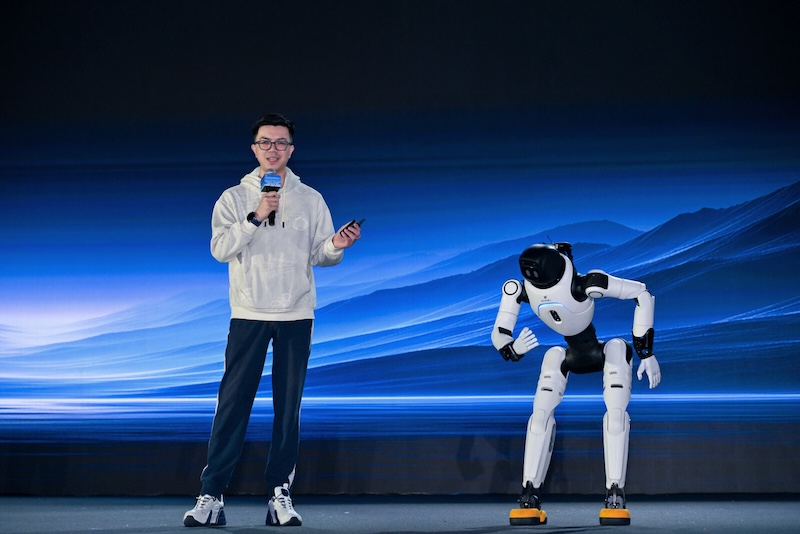
Agibot unveiled multiple robotic platforms and foundation models at its 2026 Partner Conference, positioning them for widespread 'physical AI' (robots that learn to interact with the real world) rollout in factories, warehouses, and businesses.
Unlike earlier robots built for single repetitive tasks, these systems use foundation models (large AI trained on diverse data) that let robots learn new skills and adapt to different jobs, much the way ChatGPT handles different writing tasks without retraining.
Factory managers and logistics companies can now replace rigid, task-specific machines with robots that retrain faster when workflows change—cutting downtime during production line reconfiguration and reducing the need to buy entirely new equipment for each new product.
Ask the AI about this article →
For example, today's edition would include:
AI-summarized, only the topics you pick — one digest a day via Email, Slack, or Discord.
Free · takes 30 seconds · unsubscribe anytimeWhat is AIToday? →
Ask AI anything about this article. Q&As are published on this page for other readers too.
Solomon Technology, a Taiwanese AI 3D vision company, is showcasing two key inspection applications at Semicon…

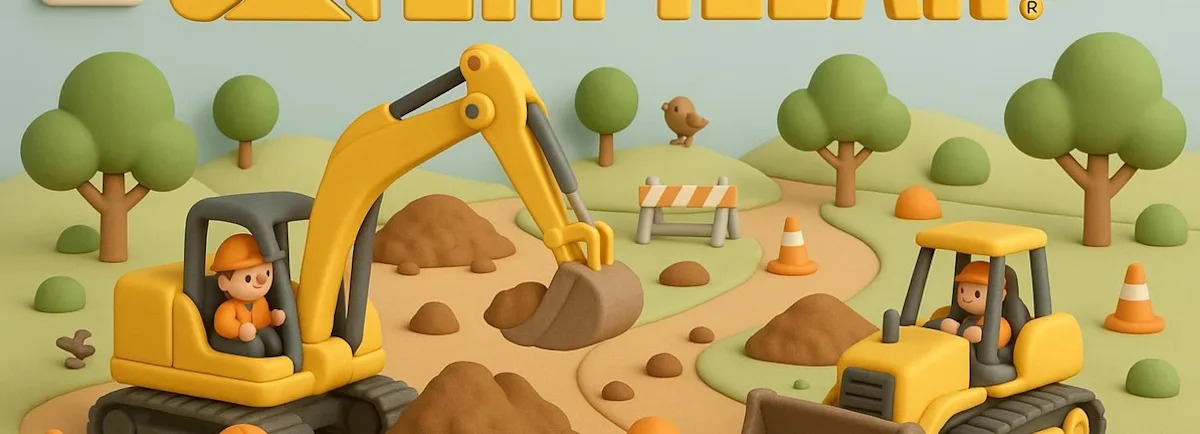
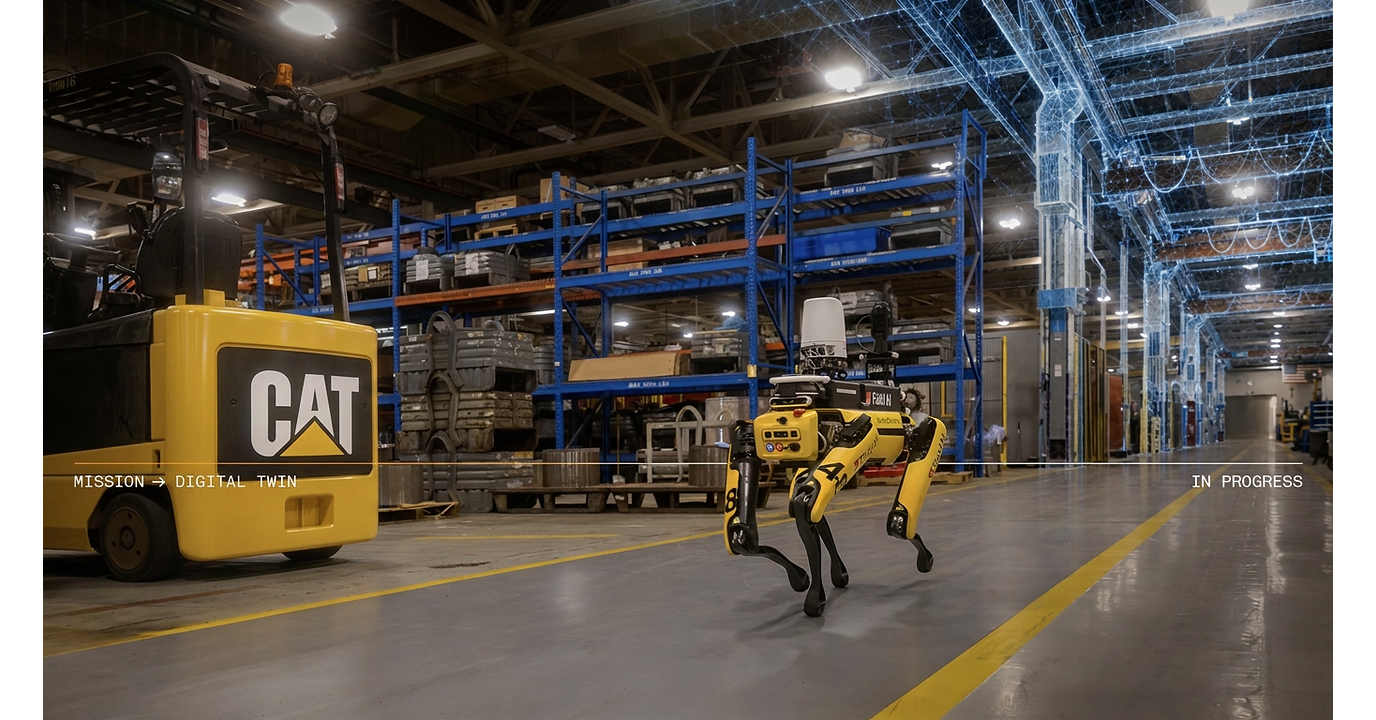
Caterpillar announced a collaboration with FieldAI to deploy physical AI, autonomy, robotics, and NVIDIA-power…
At Commercial UAV Expo in Las Vegas, FAA officials said routine BVLOS (beyond visual line of sight) drone oper…

Caterpillar is collaborating with FieldAI to advance physical AI, autonomy, and robotics for jobsites and fact…
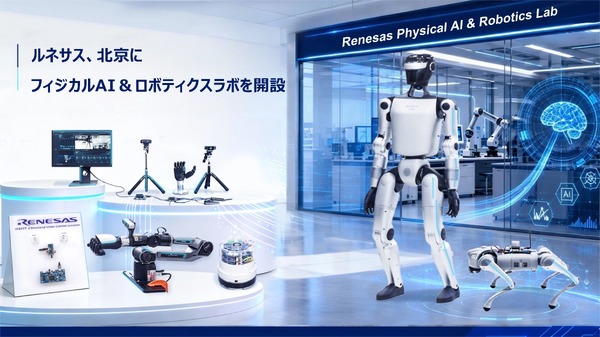
Renesas Electronics announced it has opened a Physical AI & Robotics Lab in Beijing, China
AWS Japan held the final presentation event for its “Physical AI Development Support Program by AWS Japan,” an…