What happened
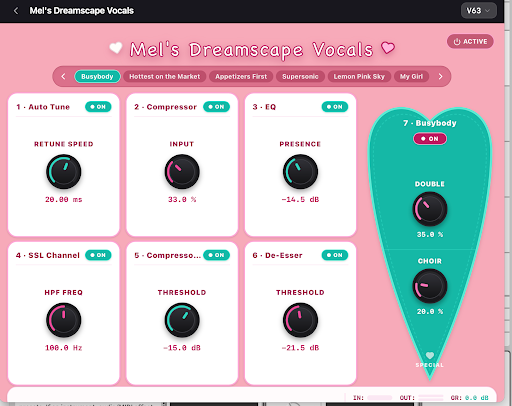
Google rolled out generative AI music features including Flow Music, acquired with startup ProducerAI in February, and launched the Flow Music Sessions artist residency where residents use Spaces to build custom plugins.
Why it matters
The residency is Google's attempt to win over artists wary of AI by framing its tools as creative aids, with resident Mike Costanzo saying a plugin built in Spaces cuts the time to find an apt kick drum.
WHO IT HITSIndependent musicians and producers weighing whether to adopt generative AI tools are the audience Google is trying to persuade, while the ongoing lawsuit could shape how such tools are licensed and used by creators.
Summaries like this, every morning.
Google's push into AI music comes as the company tries to differentiate its tools from those of AI music giants like Suno and Udio, which also generate songs from prompts. By launching the Flow Music Sessions residency, Google is positioning its technology as an aid within the creative process, similar to established tools like Auto-Tune or MIDI, rather than a replacement for artists' own work. The approach draws on Google's longer history of building platforms for independent creators, most notably YouTube, which the company grew into a video-sharing site rivaling cable largely by giving creators a stage.
The residency also arrives amid tension over how AI music models are trained. A lawsuit filed in March by independent musicians and songwriters alleges Google trained its music model Lyria 3 on copyrighted recordings from YouTube without permission or compensation, and Google has moved to dismiss the case, arguing that music uploaded to YouTube is already broadly licensed for AI training under the platform's terms of service. How that dispute unfolds may shape the environment in which Google's artist-facing pitch is received.
Pick your industry and the AI tools you use, and get news related to your work every day.
Free · 30 seconds with Google · unsubscribe anytimeWhat is AIToday? →
Ask AI anything about this article. The AI reads this article, earlier AIToday articles, and Wikipedia, and cites its sources. Q&As are published on this page for other readers too.
OneTrust launched its Fall '26 Release, built on OneTrust CORIE, adding a continuously updated AI inventory wi…

Reson8 released Rumble-2-Flash, a 500 million-parameter transcription model supporting over 40 languages, as a…
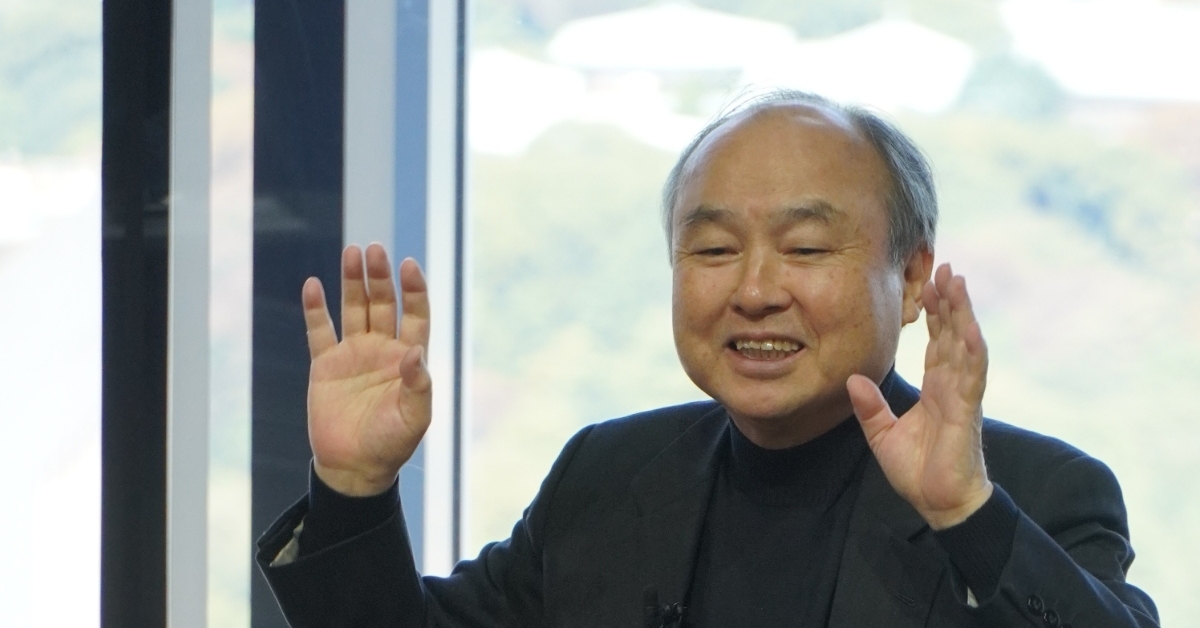
At Nikkei's "Dialogues on the Future" event on Nov 18, SoftBank Group's Masayoshi Son said passing on Anthropi…
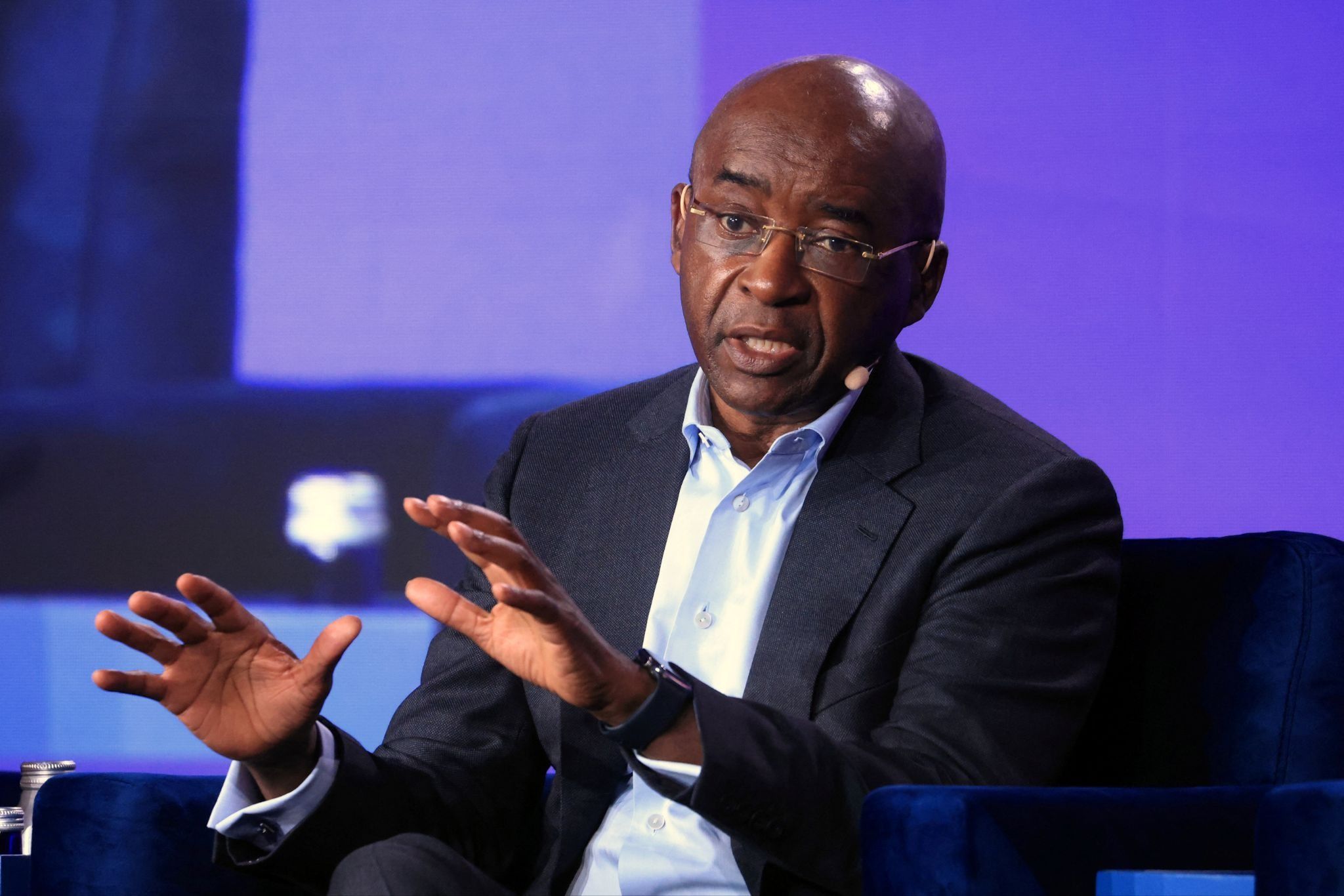
Cassava Technologies is seeking as much as $1 billion to buy Nvidia chips, with most of the money going to dat…
At Microsoft Ignite 2026, Microsoft released a public preview of Windows Server 2028, which adds AI inference…
BrightAI raised $97 million in a round led by Smith Point Capital, with GE Vernova and existing backers includ…