
What happened
A technical breakdown explains a WebRTC reference setup where camera video is encoded in the browser, sent to a cloud media endpoint for face detection and swapping, then re-encoded and returned, leaving decoding and rendering on the device.
Why it matters
Latency is not just inference time — it is a pipeline from capture through encode, uplink, server queue, inference, downlink and jitter buffer, so lowering resolution or dropping old frames trades smoothness for responsiveness.
Summaries like this, every morning.
The piece is written as a reference architecture rather than a product review, and its central distinction is between removing local inference hardware and removing local work altogether. Even with the model in the cloud, the browser or OS still handles camera capture, encoding, decoding and drawing, sometimes leaning on CPU, integrated graphics or video codec hardware.
The comparison with DeepFaceLive and Deep-Live-Cam is explicitly qualitative, based on the projects' own documentation, and the author warns against treating either as a simple GPU-free option. DeepFaceLive's README lists a DirectX 12-capable GPU, while Deep-Live-Cam documents manual Python setup with CPU plus CUDA, CoreML, DirectML and OpenVINO paths. On the cloud side, TURN relays and the distance to the inference endpoint add bandwidth cost and path uncertainty that model optimization alone cannot fix.
The security section draws a line the author considers easy to blur: WebRTC media protection via DTLS-SRTP does not prevent the cloud endpoint from decrypting video to process it, and it says nothing about recording, retention or deletion policies. The closing advice is to fix acceptable delay, network conditions, recurring cost, data handling and output target before comparing setups under identical conditions.
Pick your industry and the AI tools you use, and get news related to your work every day.
Free · 30 seconds with Google · unsubscribe anytimeWhat is AIToday? →
Ask AI anything about this article. The AI reads this article, earlier AIToday articles, and Wikipedia, and cites its sources. Q&As are published on this page for other readers too.
Microsoft introduced Copilot Workspaces, a collaborative space in its Frontier early-access program where Word…
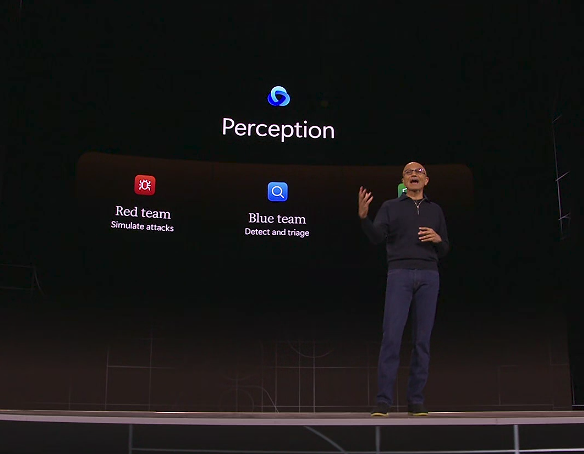
Earlier in November, Meta chief AI officer Alexandr Wang shared an AI-generated clip on Instagram promoting Mu…

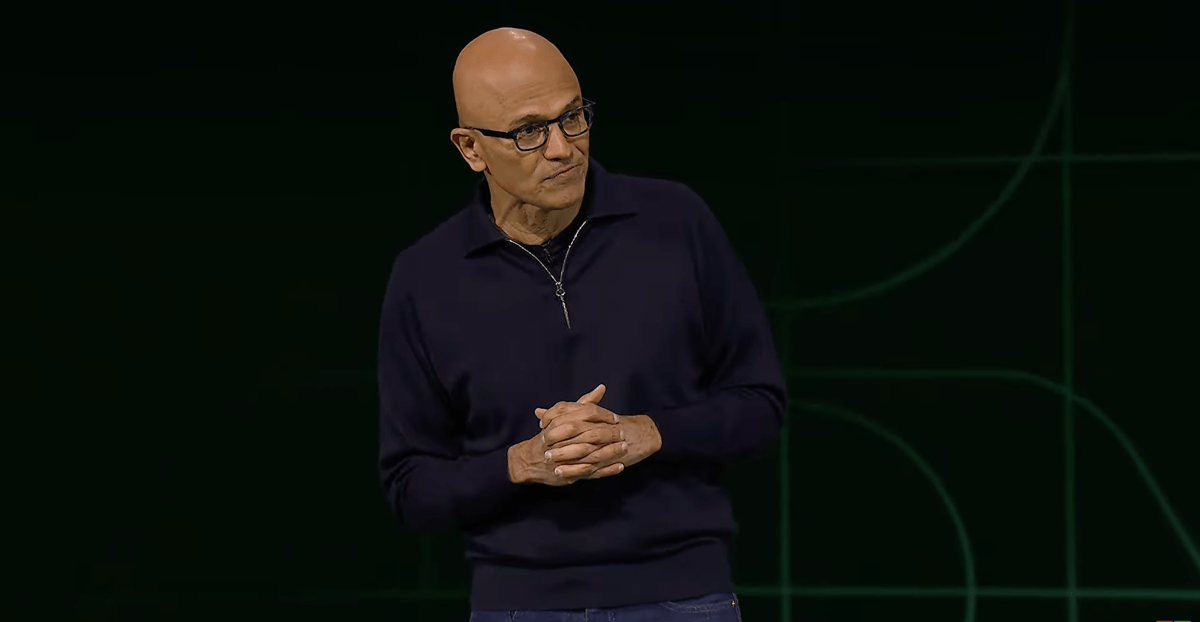
At a roundtable after his Microsoft Ignite keynote at San Francisco's Chase Center, Satya Nadella said he is "…
On Tuesday's earnings call, interim CEO Colette Kress said Nvidia remains committed to open source AI, citing…
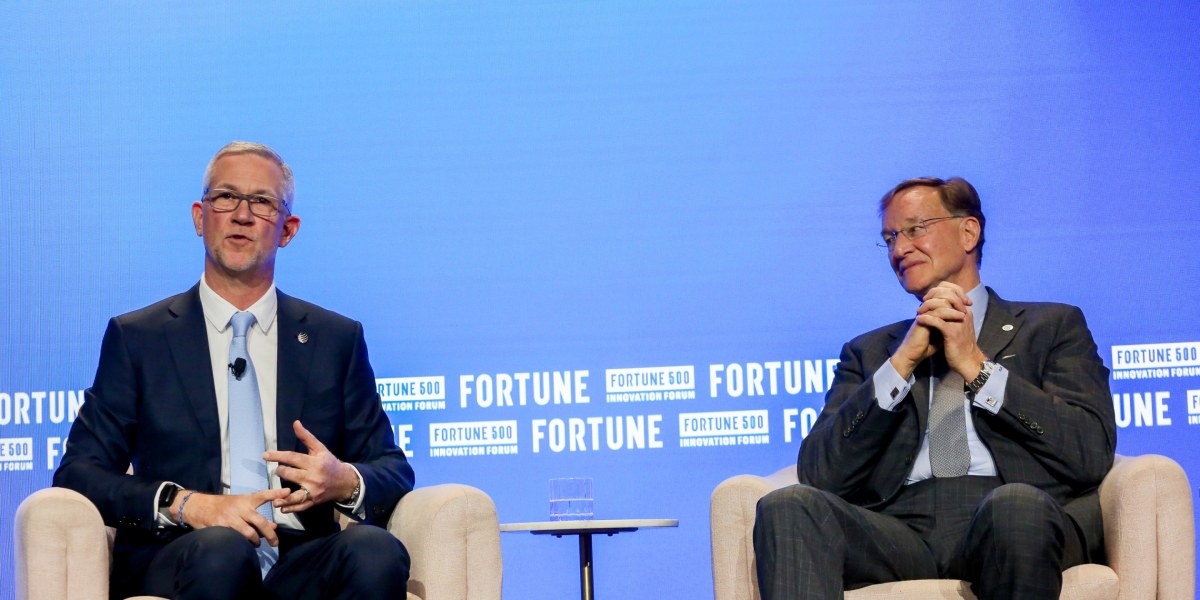
AT&T COO Jeff McElfresh said agentic AI is driving a fundamental shift in bandwidth direction
Microsoft unveiled new AI models for coding and cybersecurity, taking on Anthropic and OpenAI