What happened
At Citi’s 2026 Global TMT Conference in New York, Amphenol said its AI-related revenue run rate is roughly $10.5 to $11 billion, growing faster than its broader IT datacom business.
Why it matters
A run rate that size suggests AI infrastructure is already a large part of Amphenol’s franchise, so its connectors, cables and sensors are tied to datacenter build-outs rather than a side bet.
What to watch
The thesis hinges on whether “pulled forward” AI datacenter demand holds over coming quarters while CommScope integration and higher debt pressure cash generation. Watch whether analyst models clearing US$50.7b revenue by 2029 hold.
WHO IT HITSLong-term investors weighing Amphenol and analysts building models on its AI datacom exposure will need to judge whether this run rate converts into durable orders, especially given integration costs and higher debt levels the company flagged.
Summaries like this, every morning.
The Citi appearance matters less as a standalone event than as a link in a chain Amphenol has been building. The company has been telling investors that IT datacom and AI demand is supporting updated sales expectations for the CommScope acquisition, and the conference remarks tie that claim to a concrete operational lever: using CommScope’s fiber assets to push deeper into data centric infrastructure.
That is why the $10.5 to $11 billion AI run rate figure carries weight. It shows the AI piece is already large rather than aspirational, and it sits alongside a consensus analyst model that assumes 20.5% yearly revenue growth to US$50.7b by 2029. The dispersion around that path is wide: the most cautious analysts had penciled in only about 15.1% annual growth and roughly US$7.2b in earnings by 2029 before this update.
The swing factor is timing. Amphenol itself flags how “pulled forward” AI datacenter demand behaves over the next few quarters against the capacity and capex it has lined up, and the main risk is that lumpy customer budgets or slower orders hit volumes while elevated investment, acquisition-related integration costs, and higher debt levels keep pressure on cash generation. Whether the enlarged fiber and optical portfolio turns the current run rate into durable orders while protecting margins and free cash flow is likely to decide how the narrative settles.
Pick your industry and the AI tools you use, and get news related to your work every day.
Free · 30 seconds with Google · unsubscribe anytimeWhat is AIToday? →
Ask AI anything about this article. The AI reads this article, earlier AIToday articles, and Wikipedia, and cites its sources. Q&As are published on this page for other readers too.
The S&P 500 fell 4.3% and the Nasdaq Composite 5.5% on Nov
The Nasdaq Composite fell 5.3% on Nov
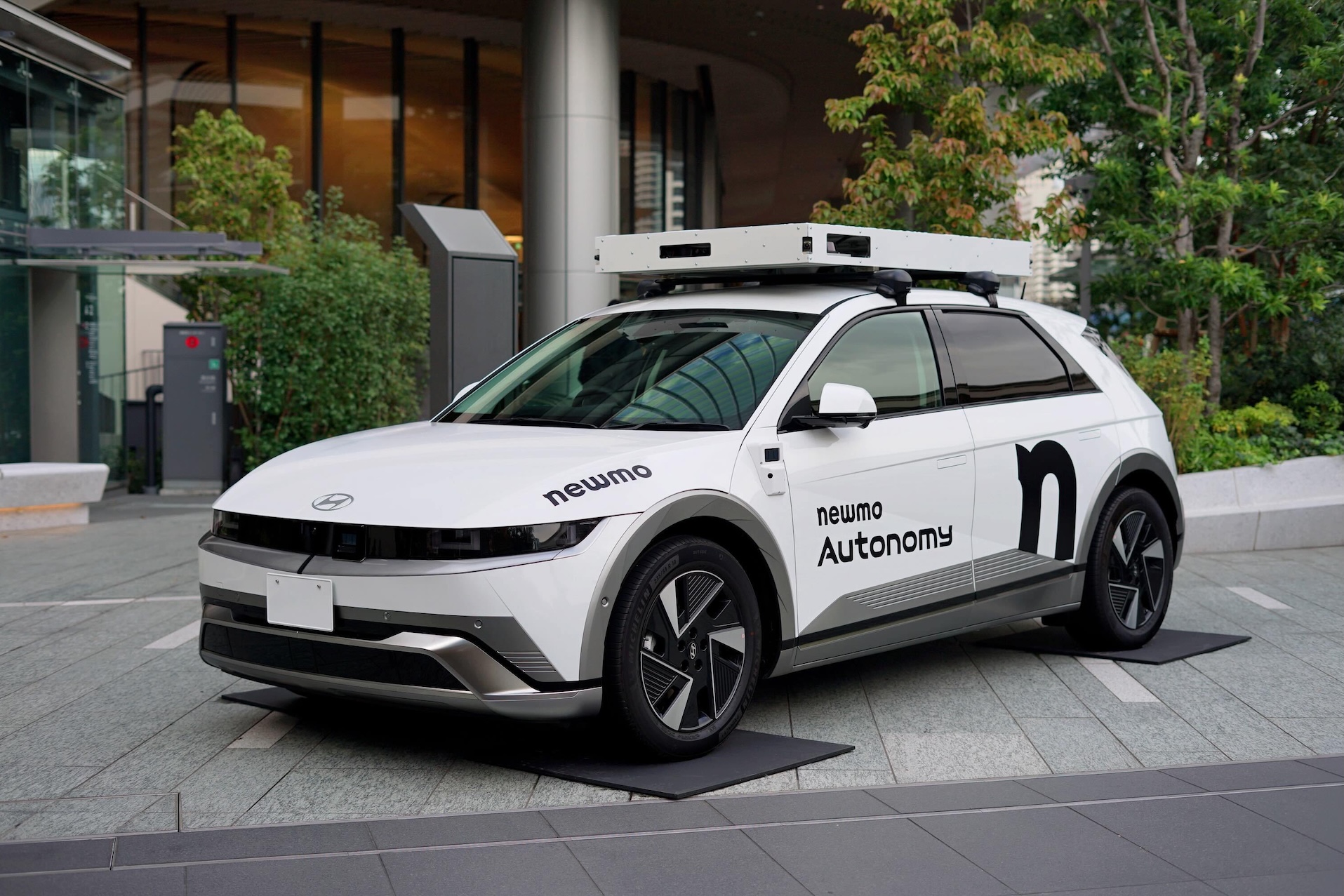
newmo and KDDI said on November 6 they signed a capital tie-up for autonomous taxis, with KDDI Smart Mobility…
The Nasdaq 100 fell 6.4% on Thursday, a record $2.3 trillion of market cap wiped out, while the Philadelphia s…

Hitachi Energy is expanding its partnership with Celonis, the process-intelligence leader, to scale AI use acr…

KJ Holdings, which runs the Kawaijuku Group, signed an MOU with Seoul-based IHFB in October 2026 to jointly st…