What happened
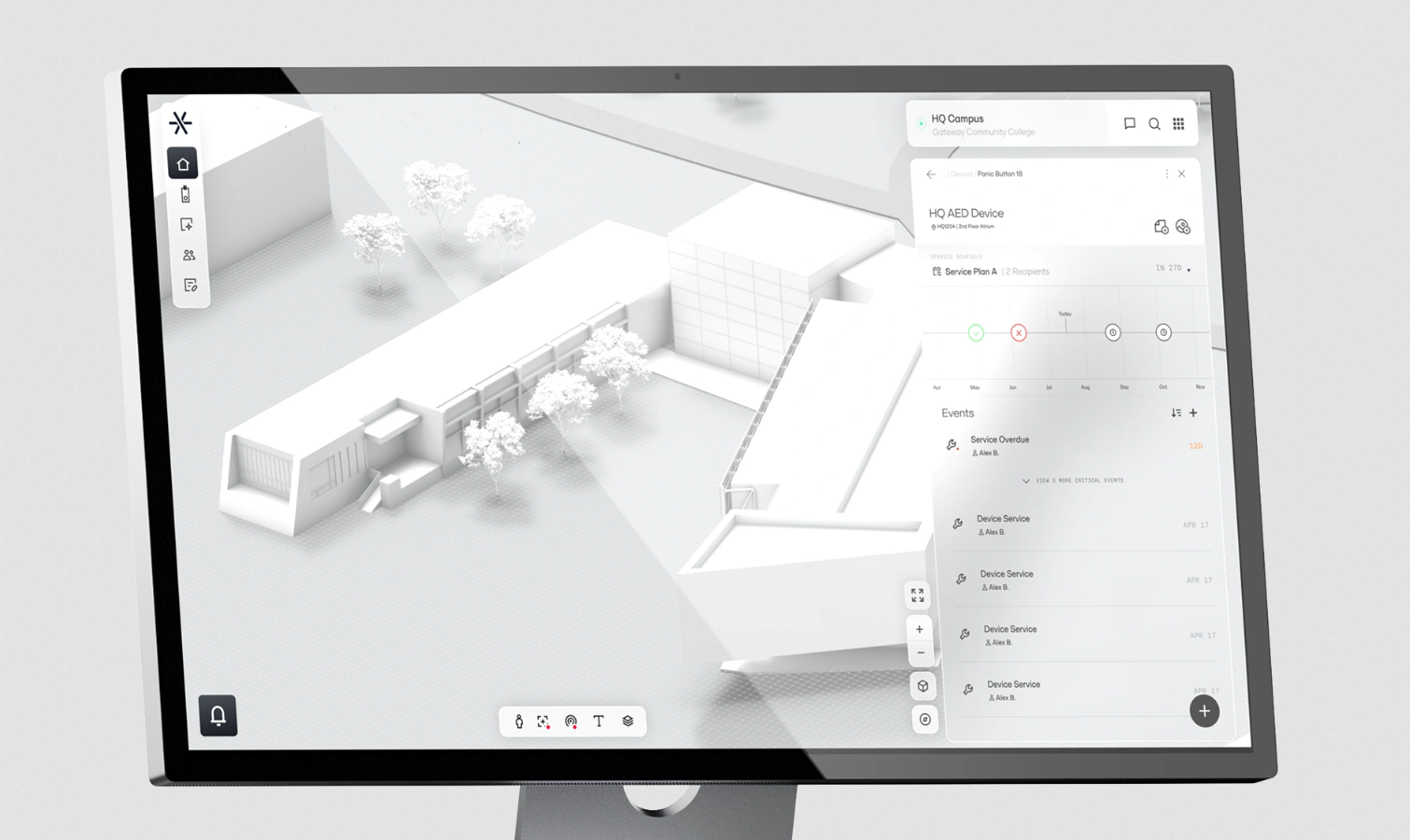
Firefly Technology Inc. raised $20 million in a Series A round led by Definition Capital, with BoxGroup and Susa Ventures participating. The startup has built the Ember Safety Management platform plus wearable panic buttons and AI beacons that detect gunshots.
Why it matters
The funding will help Firefly expand deployments of its unified safety platform, which aims to close the gap between disconnected cameras, radios and sensors so responders can act faster during emergencies, according to CEO James Batt Buckley.
WHO IT HITSThis funding lands on safety and security teams at schools, hospitals and corporate campuses, who currently juggle disconnected cameras, radios and sensors during emergencies. Firefly's platform aims to give them a single coordinated view, potentially reducing response times.
Summaries like this, in your inbox every morning.
Firefly's raise comes as AI increasingly moves beyond software into hardware-centric applications. The company argues that while cameras, radios and sensors have made venues safer than they used to be, they still operate in isolation, forcing responders to waste time piecing together the situation. By bundling purpose-built hardware—wearable panic buttons and AI beacons that can triangulate locations and detect gunshots—with a network gateway to keep devices connected, Firefly aims to offer a turnkey system that plugs into existing infrastructure.
The Series A round, led by Definition Capital and joined by BoxGroup and Susa Ventures, follows a seed round earlier this year and provides capital to expand deployments. Firefly's existing deployment at Front Range Community College, which covers three campuses, serves as a reference point for the kind of multi-site environment the company is targeting. Definition Capital's Teddy Citrin described the platform as a central nervous system for physical safety, highlighting the intersection of AI and hardware as a way to better protect people.
Looking ahead, Firefly plans to target educational centers, hospitals and enterprise campuses. The company has not disclosed specific revenue figures or customer counts beyond the community college deployment. Its CEO, James Batt Buckley, said the next frontier for AI is the physical world, which he wants to make as intelligent and connected as the digital one. The broader question is whether organizations will adopt a unified safety platform over continuing to integrate disparate systems themselves—an inference suggested by the company's positioning.
Pick your industry and the AI tools you use, and get news related to your work every day.
Free · 30 seconds with Google · unsubscribe anytimeWhat is AIToday? →
Ask AI anything about this article. The AI reads this article, earlier AIToday articles, and Wikipedia, and cites its sources. Q&As are published on this page for other readers too.
Vectorial AI Inc. raised $3 million in seed funding, jointly led by Smilegate and SenseAI Ventures, to launch…
Thought Industries Inc. launched Lens, an AI product that flags conflicting product knowledge before customers…

AuxoAI Inc. raised $20.7 million in a Series A led by NTT Venture Capital, with participation from executives…

IBM, Red Hat and Google released llm-d version 1.0, adding multi-tenant quality of service, zero-downtime upgr…

Chief Telecom broke ground on a new AI data center at the Central Taiwan Science Park, committing approximatel…

On his October 19 Mad Money broadcast, Jim Cramer said investors should spend less time on whether Nvidia's GP…