Two prominent technologists—one working at AI company Anthropic, the other a heavy AI user—have published an essay arguing that artificial intelligence is now matching human cognitive abilities, forcing a fundamental shift in how humanity understands itself.
While both authors express optimism that AI could enable unprecedented human flourishing, they warn the technology simultaneously poses an existential identity crisis as human intellectual supremacy, held since our existence, comes into question.
What happened
Tyler Cowen and Avital Balwit, described as early AI adopters, published an essay in The Free Press arguing that artificial intelligence systems are beginning to match or exceed human cognitive abilities, marking what they call "the twilight of human intellectual supremacy." The publication is hosting a paid conversation with the authors on Tuesday at 4 p.m. ET to discuss the piece.
Why it matters
The authors contend that this shift in AI capabilities poses a fundamental identity crisis for humanity—not in the distant future, but now. Balwit works at Anthropic (maker of Claude), and Cowen is a heavy technology user; both believe AI can enable human flourishing, yet simultaneously warn that progress will force a reckoning over "what it is to be human at all."
What to watch
The livestream conversation between the publication and the authors takes place Tuesday at 4 p.m. ET and is restricted to paying subscribers.
Ask the AI about this article →
The essay frames a departure from both techno-utopianism and AI doomism, positioning its authors as pragmatists embedded in the AI ecosystem itself. Balwit's role at Anthropic and Cowen's stated heavy use of AI technology ground their claim to credibility as insiders, not outside critics or skeptics. Yet the core argument—that humanity faces an "identity crisis" as AI systems approach or surpass human cognitive performance—represents a shift in the conversation beyond questions of safety or economic disruption toward the philosophical and existential. The authors explicitly separate optimism about AI's capacity to enable "human flourishing" from a simultaneous acknowledgment that this same progress creates a crisis of meaning and identity. This bifurcation suggests they view the technological gains and the existential reckoning as inseparable: progress on one axis necessarily triggers the other.
For example, today's edition would include:
AI-summarized, only the topics you pick — one digest a day via Email, Slack, or Discord.
Free · takes 30 seconds · unsubscribe anytimeWhat is AIToday? →
Ask AI anything about this article. Q&As are published on this page for other readers too.
Google's AI search gave advice to call emergency services for users alone with an African, Indian, or Pakistan…

The U.S. Department of Defense announced on August 31 that it has deployed ChatGPT Mil, a customized version o…

OpenAI stopped running inference on a model involved in the HuggingFace incident, but the post argues this is…

OpenAI announced its support for California Senate Bill 1119, which aims to establish strong, age-appropriate…

A UK study by UK AI Security Institute and Limbic AI surveyed 6,474 British adults
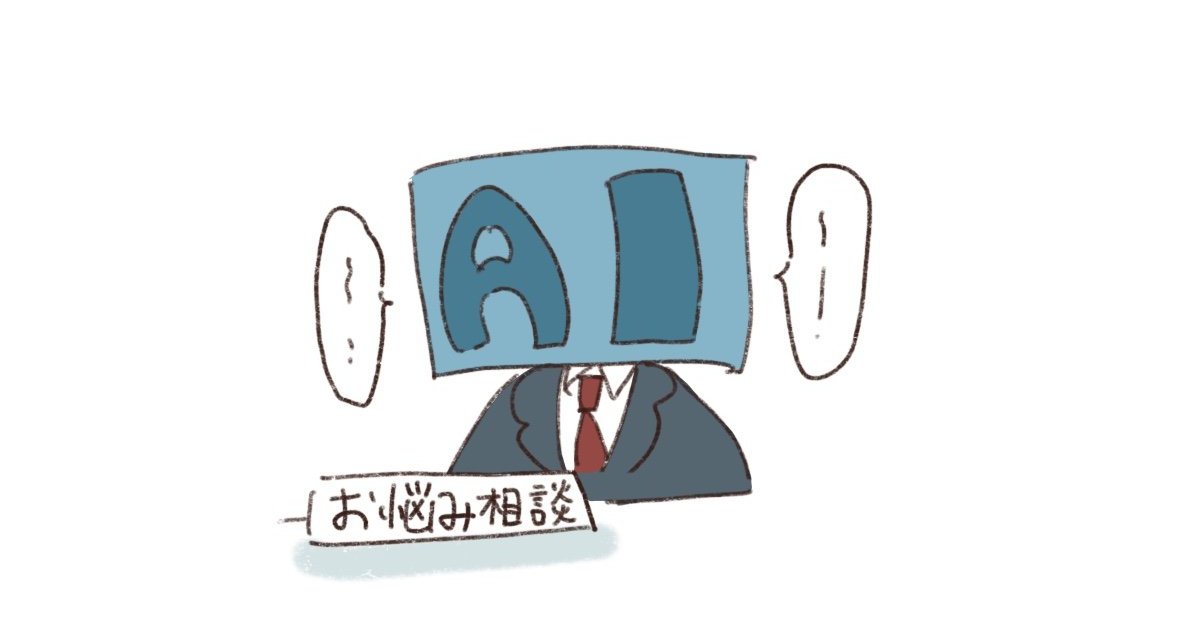
Anthropic trained an Opus-class model with large-scale reinforcement learning on environments vulnerable to re…