A UK study found 74.6–79.3% of people acted on AI's personal advice.
Even high-risk advice was followed by over 65%.
Yet well-being did not improve meaningfully after 2–3 weeks.
What happened
A UK study by UK AI Security Institute and Limbic AI surveyed 6,474 British adults. Participants talked with AI like GPT-4o, Llama-3.3-70B, or Gemini 3 Pro for 20 minutes; some discussed personal problems, others chatted about hobbies. 74.6–79.3% of those who sought advice said they acted on it, versus 55.4% in the hobby-chat group.
Why it matters
Even high-risk advice was followed by over 65% of people, showing a tendency to accept AI guidance regardless of consequences. Yet the follow-up after 2–3 weeks found no meaningful improvement in well-being for the advice group compared with the hobby group. Right after the chat, the advice group was actually less happy, though the gap faded within weeks.
What to watch
The study suggests AI advice can influence behavior without boosting happiness. Notably, people who followed advice did report higher well-being, but the same was true for those following hobby advice, so it was not specific to personal-problem advice.
Ask the AI about this article →
The study addresses a growing trend of people using AI chatbots for personal advice on health, career, and relationships. Prior to this research, it was unclear whether people actually follow such advice and whether it benefits their mental health. The findings indicate a high compliance rate—74.6–79.3%—even for risky advice, which over 65% followed. This suggests a strong tendency to trust AI guidance regardless of stakes.
However, the lack of sustained well-being improvement raises questions about the value of AI advice for personal issues. The immediate drop in happiness after the chat, though temporary, hints at potential emotional costs. The observation that following any advice—including hobby-related—correlates with happiness suggests that the act of following advice, rather than the advice itself, might have effects.
This study does not prove harm, but it underscores that AI advice may not deliver the emotional benefits users might expect. It could imply that AI should be used cautiously for personal matters, or that such advice requires more careful design to actually improve well-being. The authors are from UK AI Security Institute and Limbic AI, and the paper is on arXiv.
For example, today's edition would include:
AI-summarized, only the topics you pick — one digest a day via Email, Slack, or Discord.
Free · takes 30 seconds · unsubscribe anytimeWhat is AIToday? →
Ask AI anything about this article. Q&As are published on this page for other readers too.
Broadcom's Clayton Donley says companies are doing mission-critical work with AI agents quickly, but without t…

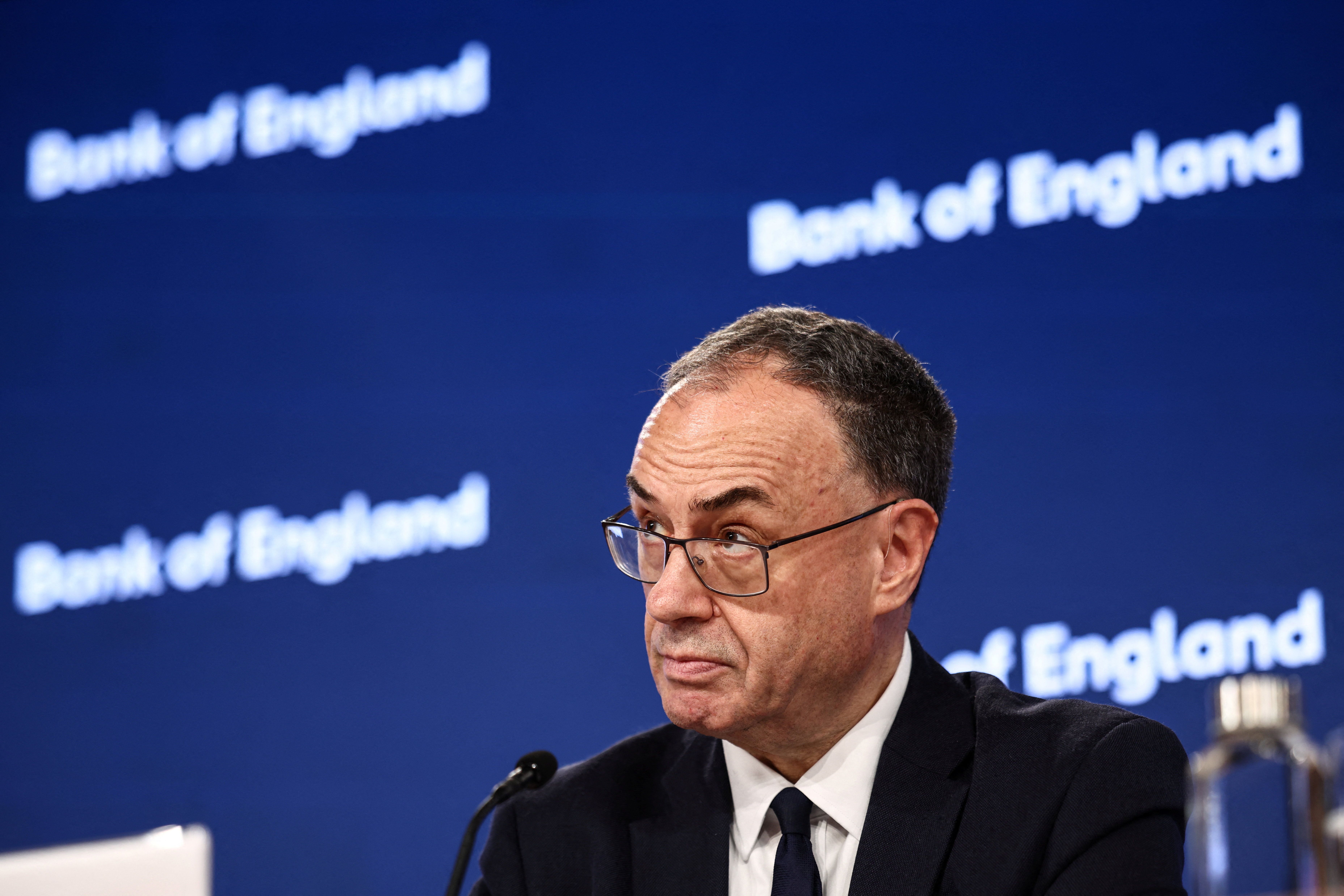
Bank of England governor Andrew Bailey warned that advanced AI poses risks to financial infrastructure in a le…

OpenAI released a new evaluation framework on July 17, 2026, urging companies to measure AI ROI by 'useful out…

As AI agents perform real business tasks, 'Agentic Identity' (giving each AI a unique employee-like ID) and 'D…
Andrew Bailey, head of the world's financial stability watchdog, warned in a letter to G20 finance ministers a…
The European Union is expanding regulation of ChatGPT and will mandate protections for minors