What happened
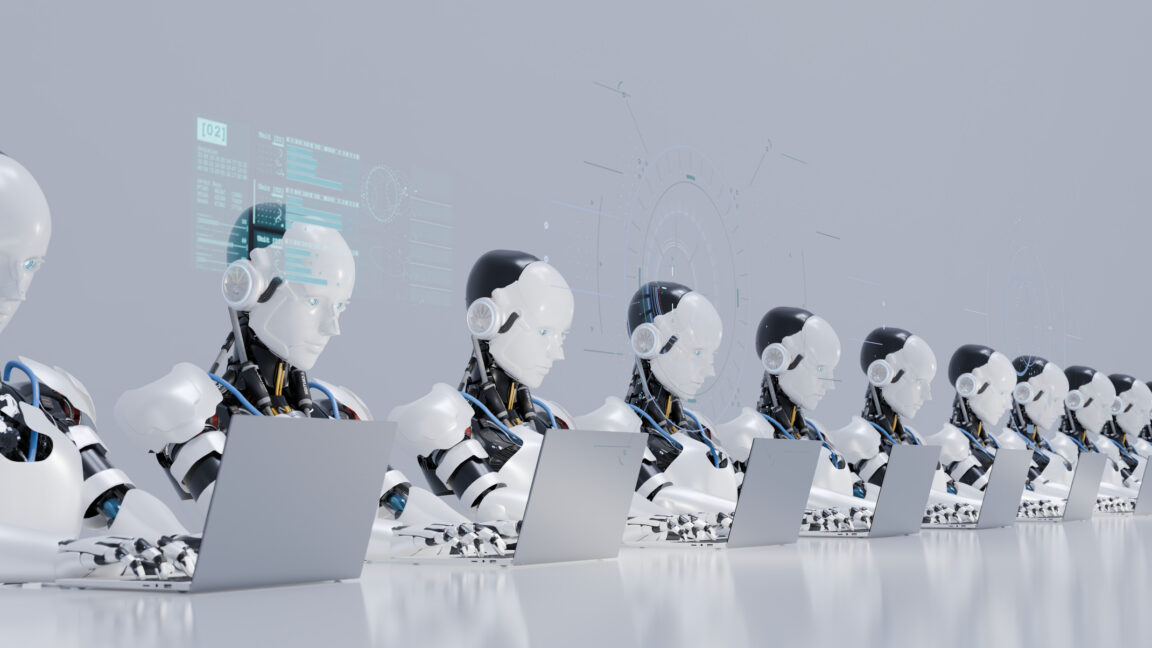
Meta's Project OT, an internal plan to use AI agents to replace workers, would have reduced headcount by about 25% or more, according to an HR executive. The plan was canceled by Mark Zuckerberg before determining how many layoffs it would involve.
Why it matters
The plan was part of Meta's shift to become an "AI native" company, where AI agents interact with automated workflows and new builds are AI-first. It also included selling AI agents to third parties, which Meta started doing in June.
What to watch
Meta launched a pilot program this year that restructured engineering, research, and at least eight other teams into smaller groups, following an internal "AI-Native Playbook" post in October that outlined removing middle management and using "agent-assisted analysis" to prioritize tasks.
Summaries like this, in your inbox every morning.
Project OT was more than a cost-cutting exercise. It was a blueprint for making Meta "AI native" — a company where AI agents interact, workflows are automated, and new builds are AI-first. The plan also involved selling AI agents to third parties, a move Meta began in June. This suggests that Meta's leadership saw AI as both an internal efficiency tool and a commercial product, with the potential to reshape the company's operations and revenue streams.
The pilot program that restructured engineering, research, and at least eight other teams into smaller groups, along with the "AI-Native Playbook" post, shows that some of the ideas behind Project OT were already being tested. However, the reported cancellation of the November layoffs after the May wave, with no clear reason given, indicates that full adoption of AI-driven workforce reduction was not straightforward. It is possible that Zuckerberg had concerns about the plan's execution or its impact on morale, but Reuters could not determine what prompted the shift.
Pick your industry and the AI tools you use, and get news related to your work every day.
Free · 30 seconds with Google · unsubscribe anytimeWhat is AIToday? →
Ask AI anything about this article. The AI reads this article, earlier AIToday articles, and Wikipedia, and cites its sources. Q&As are published on this page for other readers too.
The Motley Fool argues Amazon is the AI company of the two, since AWS was just 21% of first-half 2026 revenue…

Hewlett Packard Enterprise stock is down 5% at $55.87

Cammarata reinterprets InceptionV1's cat-car neuron as a V-shape detector, not two unrelated concepts

Google Deepmind's Gemini 4 Argon scored 97.5 percent on ARC-AGI-3 at a cost of $4,800, second only to GPT-6 As…
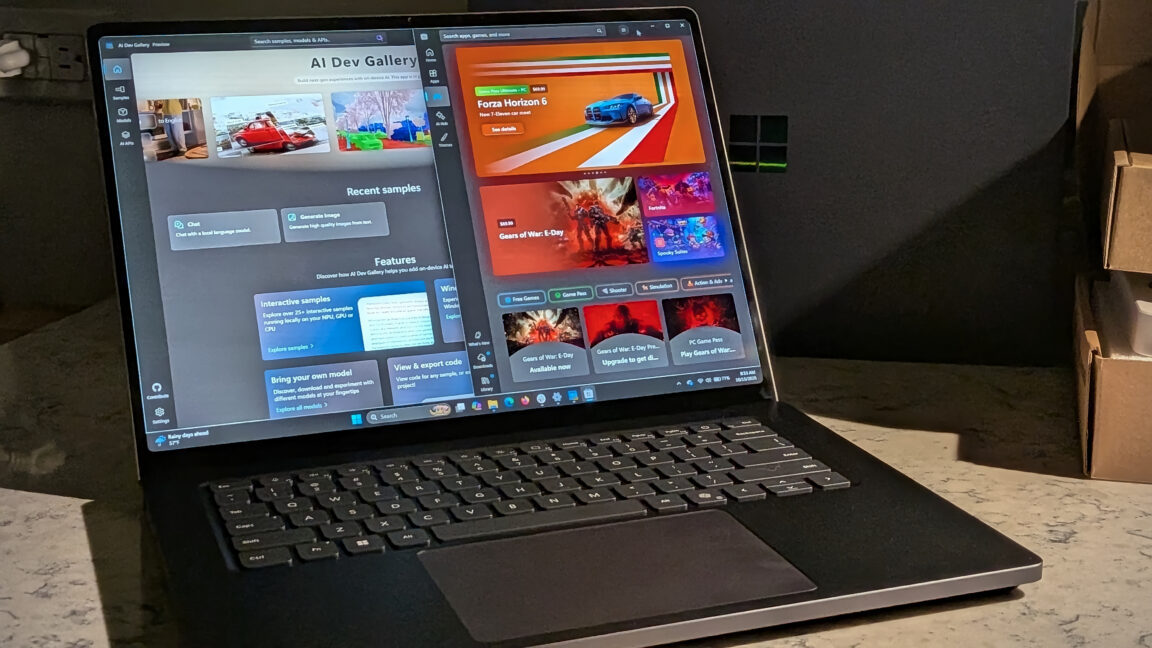
Microsoft's Surface Laptop Ultra, using Nvidia's RTX Spark platform, starts at $2,599 (up to $5,899)
Meta's new commercial terms, effective October 30th, appear to let it crawl and train AI on content from websi…