What happened
Broadcom disclosed a long-term agreement in April 2026 to develop and supply future Google TPUs and networking through up to 2031; Marvell's August 2026 Google deal covers custom silicon including inference accelerators and controllers.
Why it matters
The two companies gain a tangible commercial basis for custom silicon revenue rather than relying on broad market forecasts, though both face customer concentration and program execution risk.
Summaries like this, every morning.
The selloff in semiconductor stocks has intensified questions about the sustainability of AI infrastructure spending, with investors reassessing hyperscalers' enormous capital commitments and whether first-phase AI winners can hold their advantages. Amid that reassessment, hyperscalers are expanding their use of custom-designed AI processors, which can improve the economics of training and inference, reduce energy consumption and give cloud operators greater control over their computing infrastructure.
Broadcom's April 2026 disclosure of a long-term agreement to develop and supply future generations of Google TPUs, along with networking and other components for Google's next-generation AI racks through up to 2031, provides a tangible commercial basis for its custom silicon opportunity rather than relying solely on broad market forecasts. Marvell's August 2026 Google agreement covers custom silicon programs associated with the TPU ecosystem, including inference accelerators, storage controllers, network interface controllers, memory interface controllers and near-memory computing, so Marvell is competing for semiconductor content throughout the AI system, not simply for the central accelerator.
The two companies are not identical investment propositions. Broadcom has an established custom accelerator and networking franchise, while Marvell offers potential incremental share gains across accelerators, controllers and connectivity. Their financial outcomes will depend on how much silicon content they win, the timing of customer ramps and the profitability of those programs, rather than simply the number of chips announced.
Pick your industry and the AI tools you use, and get news related to your work every day.
Free · 30 seconds with Google · unsubscribe anytimeWhat is AIToday? →
Ask AI anything about this article. The AI reads this article, earlier AIToday articles, and Wikipedia, and cites its sources. Q&As are published on this page for other readers too.
Citi added a section to its online user agreement this month stating that any access or transactions by a thir…
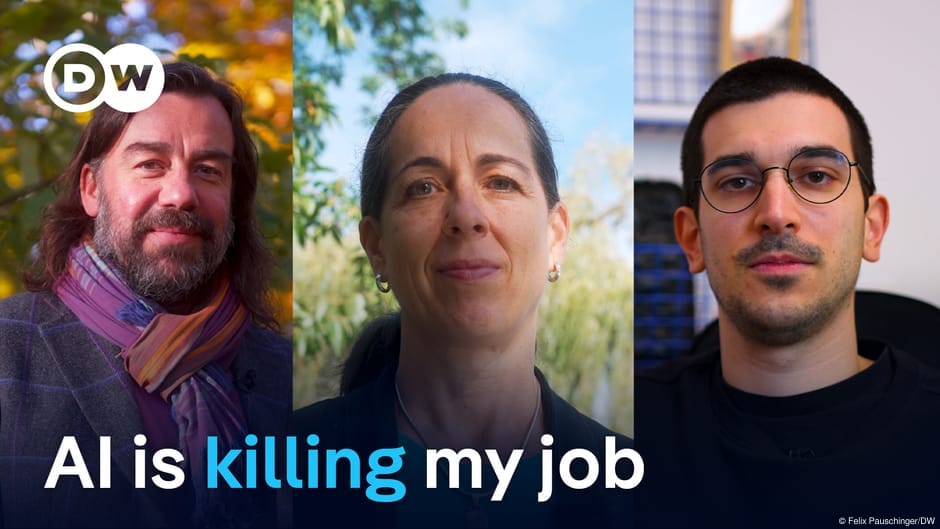
Interpreter Sara Campos lost a longtime Berlin client to AI, which the company chose because it is cheaper and…
Apple researchers Peiyun Hu, Marko Mihajlovic, Lyndon Duong, Lahav Lipson, Wei Dong, Amaël Delaunoy, Stephan R

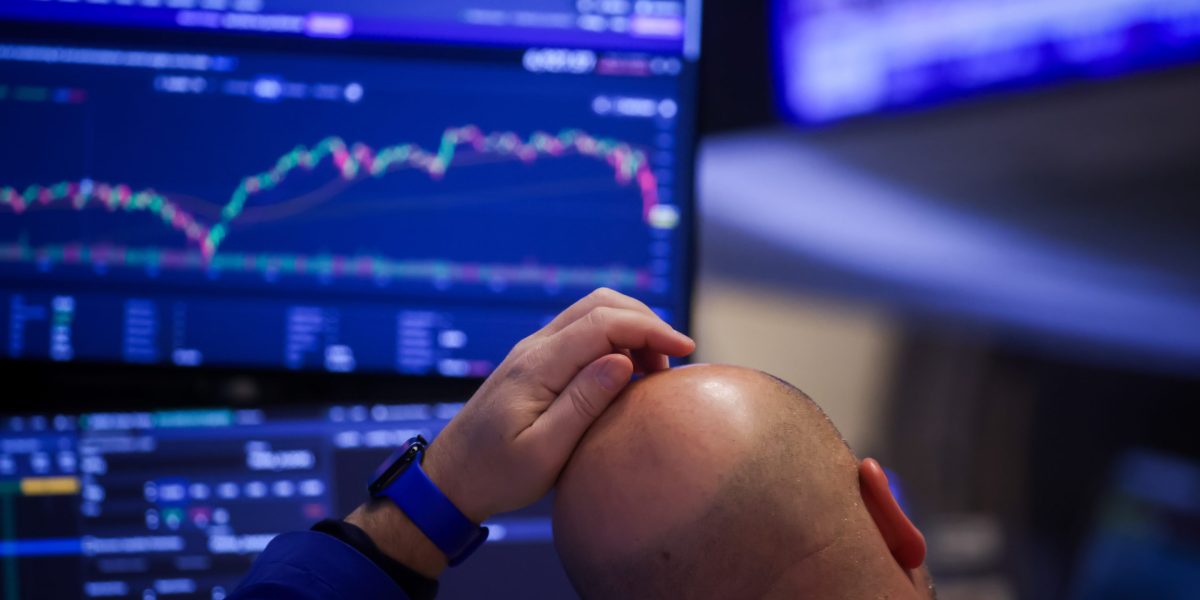
Goldman Sachs noted the S&P 500 has fallen 3.59% to 6,918.45 for a seventh straight loss, and its AI stock bas…
Argent Capital Management's Q3 2026 investor letter said Dell Technologies posted a significant earnings beat…

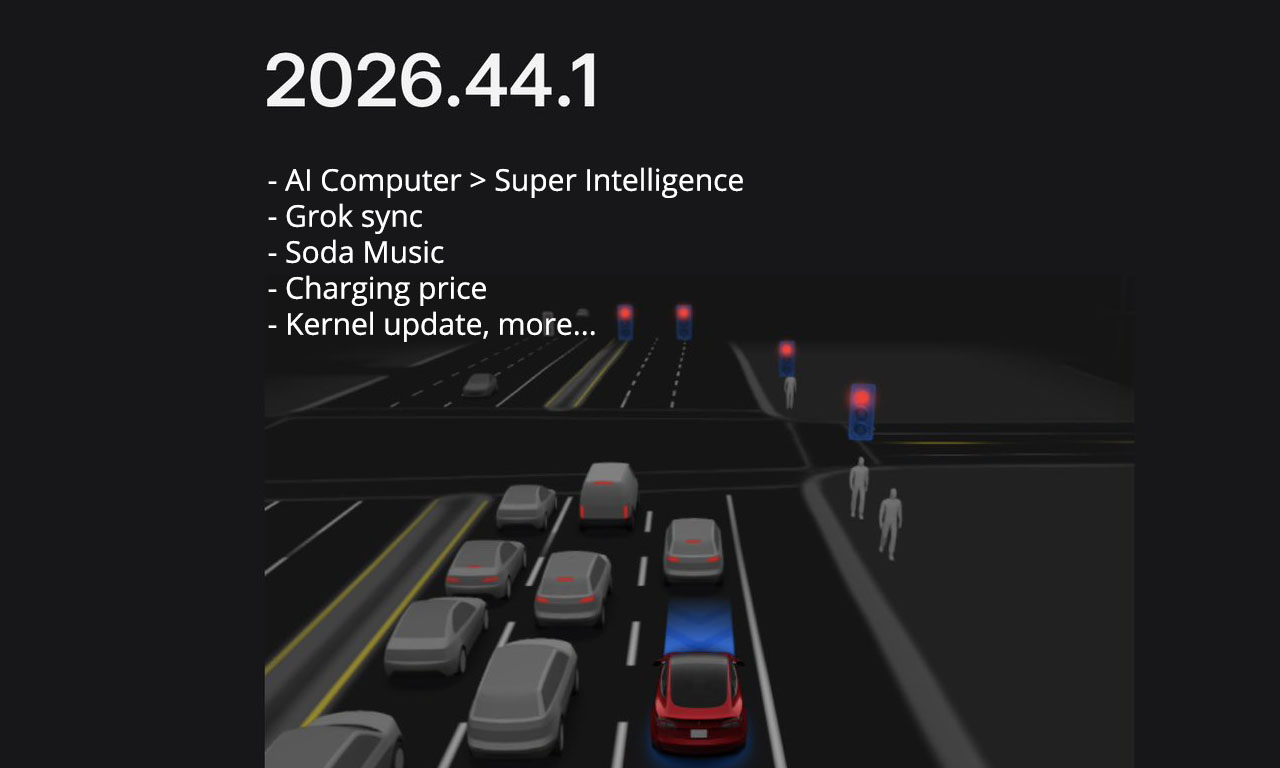
Tesla hacker green (@greentheonly) found that in firmware 2026.44.1, Tesla renamed the AI Computer (HW4/AI4) t…